
Key Takeaways
- Understanding Deep Cleaning: Deep cleaning a kitchen involves a thorough process that goes beyond routine cleaning, targeting appliances, cabinets, countertops, sinks, and floors.
- Frequency: Aim for deep cleaning every three to six months, adjusting based on kitchen use and household needs.
- Cost Factors: The cost of deep kitchen cleaning varies greatly based on kitchen size, condition, and the types of services chosen, with national averages ranging from $100 to $500.
- DIY vs. Professional: Weigh the benefits of DIY cleaning, which may be cost-effective but time-consuming, against professional services that offer expertise, efficiency, and industrial-grade tools.
- Essential Tools: Equip yourself with appropriate cleaning solutions, scrub brushes, microfiber cloths, and natural cleaners like baking soda and vinegar for effective deep cleaning.
- Time Commitment: Deep cleaning can require substantial time investment, typically 4 to 8 hours for a DIY approach versus 2 to 3 hours with professionals, highlighting the importance of planning.
Ever looked at your kitchen and thought it could use a serious makeover? You’re not alone. Many people struggle with knowing how much effort and time it takes to deep clean this essential space. It can feel overwhelming, especially when you think about all the nooks and crannies that need attention.
Understanding Deep Cleaning
Deep cleaning a kitchen involves a thorough and detailed process aimed at removing grime and disinfecting surfaces. This routine goes beyond standard cleaning tasks like wiping counters or loading the dishwasher. Here’s a closer look at what deep cleaning entails.
Key Areas to Focus On
- Appliances
Clean out your refrigerator, oven, microwave, and dishwasher. For example, remove shelves from the fridge to scrub them separately. Wipe down the oven, including the inside and vents.
- Cabinets and Drawers
Empty all cabinets and drawers. Clean surfaces, including handles and interiors. Replace contact paper if necessary.
- Countertops
Use a suitable cleaner for your countertop material. Pay special attention to seams and edges where food particles can accumulate.
- Sinks and Faucets
Scrub your sink with a non-abrasive cleaner. Don’t forget to clean and disinfect the faucet and handles.
- Floors
Sweep and mop your floor. For tile floors, consider scrubbing grout lines to restore their original color.
Frequency of Deep Cleaning
You might wonder how often to deep clean your kitchen. Aim for deep cleaning every three to six months. Consider more frequent cleanings if you use your kitchen heavily or have small children.
Tools Needed for Deep Cleaning
- Cleaning Solutions: Choose appropriate cleaners for different surfaces.
- Scrub Brushes: Have several types for different tasks.
- Microfiber Cloths: Use them to trap dust and dirt effectively.
- Baking Soda and Vinegar: These natural cleaners tackle tough stains and odors.
Tips for Effective Deep Cleaning
- Create a Checklist: List areas and tasks to ensure nothing gets overlooked.
- Set Aside Time: Block out several hours. This process takes time.
- Get Help: Involve family members. Assign specific tasks to make it quicker.
- Play Music or a Podcast: Keep your energy up while you work.
Understanding deep cleaning helps you maintain a hygienic kitchen and prolong the life of your appliances and surfaces. This foundation allows for efficient kitchen upkeep and a healthier cooking environment.
Factors Influencing Cost
Several factors impact the cost of deep cleaning your kitchen. Understanding these elements helps you budget effectively and set realistic expectations.
Recommended Products

16Pcs Crevice Cleaning Brush Set --- This set of 16 small brushes includes three crevice brushes for tight spots, three cleaning brushes (brass bristles + wire bristles + nylon bristles for heavy-duty scrubbing), four straw brushes, two two-in-one window and door track cleaners, two long-handled cleaning brushes, two shovels. It's your ultimate weapon for cleaning every corner of your kitchen, office, restaurant, and more!

【8-Piece Cleaning Brush Set for Every Hard-to-Reach Spot】 Finally clean the places other tools miss. This versatile 8-piece cleaning brush set includes 3 crevice brushes for grout lines, shower door tracks, window tracks, and corners, 2 right-angle scrub brushes for bottles, cups, and narrow interiors, plus 3 wire brushes (brass, steel, nylon) for rust removal, polishing, and detailed scrubbing. A complete cleaning tool set for kitchen, bathroom, and household deep cleaning.

【All-in-One Cleaning Tool Set】This gap cleaning brush is tailored for hard-to-reach dead corners around the house. It comes with 5 multi-purpose gap brushes for daily cleaning in living areas, kitchens and bathrooms, 2 L-shaped angle brushes perfect for blenders and narrow bottles, 3 heavy-duty wire brushes for tough grime and heavy oil stains, plus 1 stain scraper to peel off dried stubborn dirt. This all-round cleaning kit covers all tricky blind spots at home and meets your daily deep cleaning demands.
Kitchen Size
Kitchen size plays a crucial role in determining cleaning costs. Larger kitchens require more time and resources to clean thoroughly. For example, a small kitchen may cost between $75 and $200, while a larger kitchen could range from $200 to $500 or more. Measuring your space and comparing it with average rates can provide clarity on potential expenses.
Condition of Kitchen
The condition of your kitchen significantly influences cleaning costs. A kitchen full of built-up grease, grime, or clutter demands more work. If you haven’t cleaned your kitchen in a while, expect higher costs due to the extra time and effort needed. For instance, a neglected kitchen might increase cleaning fees by 20% to 50% compared to a moderately maintained space.
Type of Cleaning Services
The type of cleaning services you choose affects overall costs. Standard deep cleaning focuses on major surfaces, while specialized cleaning, such as appliance detailing or cabinet refurbishing, incurs additional charges. Prices for standard services typically range from $100 to $300, while specialized services might add anywhere from $50 to $150 per hour, depending on what’s included. Comparing service offerings ensures you find the right fit for your needs and budget.
Average Cost Estimates
Understanding the costs associated with deep cleaning a kitchen helps you plan effectively. Costs can range significantly based on various factors, including kitchen size, condition, and cleaning service choice.
Recommended Products

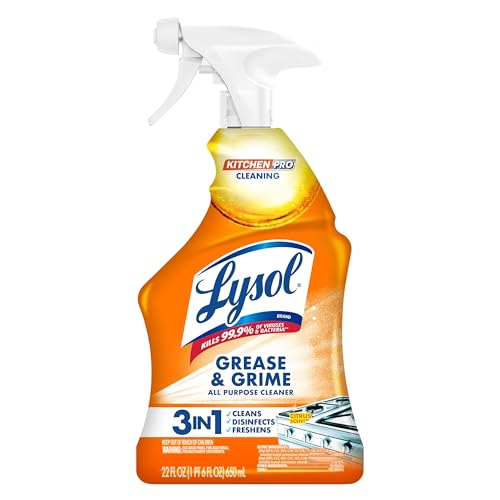
ELIMINATES 99.9% OF KITCHEN VIRUSES AND BACTERIA INCLUDNG SALMONELLA AND E.COLI: Lysol Pro Kitchen Cleaner is tested and proven to eliminate 99.9% of viruses and bacteria* (when used as directed). EPA Reg #777-91.

National Averages
On average, a standard kitchen deep clean costs between $100 and $300. For smaller kitchens, expect to pay around $75 to $200. Larger kitchens often range from $200 to $500 or more. Kitchens requiring extra attention, like those heavily soiled, may see costs increase by 20% to 50%. This variation stems from the effort needed to address grime and buildup. To stay within budget, get multiple quotes from cleaning services.
Regional Differences
Regional costs differ based on local labor rates and living expenses. For example, metropolitan areas often charge higher fees than rural regions. In cities, you might pay $150 to $350 for a standard kitchen deep clean, while rural areas may see prices drop to $75 to $200. Geography also influences availability and competition among cleaning services. Therefore, researching local options provides clearer cost guidance.
DIY vs. Professional Cleaning
Considerations arise when deciding between DIY deep cleaning and hiring professionals. Both options offer advantages depending on your circumstances, budget, and time availability.
Recommended Products

Powerful Steam Cleaner: This steam cleaner heats up in just 15 seconds, releasing high-temperature steam at 221°F (105°C) and 3 bar of pressure, instantly dissolving stubborn grease, grime, stains, and bacteria. With a power output of 1500 watts, it effortlessly removes dirt and is a reliable helper for everyday household cleaning

POWERFUL HOT STEAM - 1050 watts with 3-5 minutes fast heat-up and emits pressurized powerful hot steam 230℉ for up to 8-12 minutes

【Powerful 230°F Pressurized Steam – No Water Spitting, Deep Clean in Seconds】Tired of weak steam or messy water leaks? This handheld steam cleaner delivers consistent 230°F high-pressure steam with no water spitting, instantly cutting through grease, soap scum, and grime. It features a 350ML large-capacity tank( recommended fill level of up to 280ML). Enjoy 7–10 minutes of continuous steam for deep cleaning without endless scrubbing
Cost Breakdown for DIY
DIY cleaning can save money upfront. The typical cost factors include:
- Supplies: Expect to spend around $30 to $100 on cleaning solutions, sponges, microfiber cloths, and brushes. Natural cleaners like baking soda and vinegar are economical options.
- Tools: If you don’t own special tools, such as steam cleaners or scrubbers, budget an additional $50 to $150 for these purchases.
- Time: Assess the time investment. A full deep clean can take anywhere from 4 to 8 hours, depending on kitchen size and condition.
| Cost Item | Estimated Cost |
|---|---|
| Cleaning Supplies | $30 – $100 |
| Special Tools | $50 – $150 |
| Labor (Your Time) | 4 – 8 hours |
Benefits of Professional Services
Professional cleaning services come with distinct advantages:
- Expertise: Professionals have experience and training to handle tough stains and grime efficiently.
- Time-Saving: A team can complete the job in 2 to 3 hours for the average kitchen, freeing up your time for other tasks.
- Equipment: Access to industrial-grade cleaning tools ensures a thorough clean that DIY methods may not achieve.
- Guaranteed Results: Many companies offer satisfaction guarantees, offering peace of mind regarding quality.
Considering these factors can help you determine which option suits your needs best.
Conclusion
Deep cleaning your kitchen might seem daunting but breaking it down into manageable steps can make it a breeze. Whether you choose to tackle it yourself or hire professionals you can create a space that’s not only clean but also inviting.
Remember to factor in your kitchen size and condition when budgeting for this task. With the right tools and a little planning you’ll find that maintaining a hygienic kitchen is achievable and rewarding. So roll up your sleeves or call in the experts and enjoy the fresh clean space that results from your efforts. Happy cleaning!
Frequently Asked Questions
What is deep cleaning a kitchen?
Deep cleaning a kitchen involves a detailed process focused on removing grime, disinfecting surfaces, and cleaning hard-to-reach areas. It goes beyond regular cleaning, targeting appliances, cabinets, countertops, sinks, and floors. Aim to deep clean your kitchen every three to six months for optimal hygiene.
How often should I deep clean my kitchen?
It’s recommended to deep clean your kitchen every three to six months. However, if you frequently cook or have small children, consider cleaning more often to maintain a hygienic environment.
What tools do I need for deep cleaning my kitchen?
Essential tools for deep cleaning include cleaning solutions, scrub brushes, microfiber cloths, and natural cleaners like baking soda and vinegar. These tools will help you effectively tackle grime and disinfect surfaces.
How much does it cost to deep clean a kitchen?
Deep cleaning costs vary by kitchen size and condition. Standard cleaning typically ranges from $100 to $300. Smaller kitchens may cost $75 to $200, while larger ones can go from $200 to $500 or more, with heavily soiled kitchens increasing costs by 20% to 50%.
Is it better to DIY or hire a professional for deep cleaning?
A DIY approach may save money but requires more time and effort, usually taking 4 to 8 hours. Hiring a professional is faster, often completing the job in 2 to 3 hours, and they bring expertise and industrial-grade equipment. Consider your needs to decide the best option.
