
Key Takeaways
- Identify Odor Causes: Understand that common issues like food residue, grease buildup, mold, and sewer gases can lead to unpleasant odors in your kitchen sink drain.
- Recognize Signs of Cleaning Need: Persistent odors, slow draining, visible debris, and complaints from guests are clear indicators that your sink drain requires cleaning.
- Utilize Effective Cleaning Supplies: Leverage natural agents such as baking soda, white vinegar, lemon juice, and salt, as well as store-bought products like enzyme cleaners and odor eliminators to combat odors.
- Follow a Systematic Cleaning Process: Start by clearing the area, pouring boiling water, and using a baking soda and vinegar mix to effectively clean your drain, followed by deodorizing techniques.
- Implement Preventive Measures: Regularly flush your drain with hot water, use baking soda weekly, and take steps to avoid grease disposal and food particle accumulation to maintain a fresh-smelling sink.
- Stay Vigilant About Maintenance: Conduct routine checks of your sink area, clean the stopper monthly, and use a sink strainer to minimize the risk of unpleasant odors in the future.
Ever walked into your kitchen and been hit by an unpleasant odor coming from the sink? You’re not alone. A stinky kitchen sink drain can be a common nuisance, making cooking or entertaining feel less enjoyable.
Understanding the Problem
Unpleasant odors from your kitchen sink drain can be annoying, disrupting your cooking and entertaining. Recognizing the causes and signs of odor issues is essential for effective cleaning.
Common Causes of Stinky Sinks
- Food Residue: Bits of food can accumulate in the drain, creating a breeding ground for bacteria.
- Grease Buildup: Cooking oils and fats can solidify, leading to clogs and foul smells.
- Mold and Mildew: Moist environments encourage the growth of mold, contributing to unpleasant odors.
- Sewer Gases: Sometimes, issues in the plumbing can cause gases to escape from the drain, often indicating a more serious problem.
Signs Your Sink Needs Cleaning
- Persistent Odors: If smells linger even after washing dishes, it’s time to clean the drain.
- Slow Draining: Drains that don’t empty quickly indicate clogs, which can lead to odors.
- Visible Debris: Noticeable food particles or residue in the sink or drain cover signal a need for cleaning.
- Regular Complaints: If guests comment on unpleasant smells, your sink likely requires attention.
Essential Cleaning Supplies
Cleaning a stinky kitchen sink drain requires specific supplies to tackle odors effectively. You can choose between natural cleaning agents and store-bought products for this task.
Recommended Products

END SLOW DRAINS: Stop clogs from ever building with a preventative probiotic formula that digest organic waste in your plumbing system

Prevent Drain clogs & Bad Odors: Our enzyme drain cleaner sticks actively break down grease, food scraps, oil, hair, and soap scumhelping prevent drain blockage and eliminate foul smells from kitchen and bathroom sinks.

Enzyme drain sticks eliminate odors and help prevent clogs in sinks, tubs and septic systems. Simply use one stick per month.
Natural Cleaning Agents
- Baking Soda: Baking soda absorbs moisture and neutralizes odors. Pour half a cup down the drain, let it sit for 15 minutes, then rinse with hot water to flush the residue.
- White Vinegar: White vinegar breaks down grease and cuts through foul smells. Pour a cup down the drain, let it fizzle for a few minutes, and rinse with hot water.
- Lemon Juice: The acidity in lemon juice helps eliminate bacteria that cause smells. Squeeze half a lemon into the drain and follow it with hot water to freshen the scent.
- Salt: Salt aids in loosening debris and grime. Mix half a cup of salt with half a cup of baking soda, pour it down the drain, and rinse after 30 minutes with hot water.
Store-Bought Products
- Enzyme Cleaners: These products contain bacteria that eat organic matter, making them effective for persistent odors. Follow the manufacturer’s instructions for proper use.
- Drain Cleaners: Chemical drain cleaners can clear blockages and eliminate stains. Use with caution, as these can be harsh on pipes. Wear gloves and follow the safety guidelines on the package.
- Odor Eliminators: These products specifically target smells in drains. Spray or pour the solution as recommended on the label for optimal results.
- Disinfectant Wipes: Use these for cleaning the sink area and surrounding surfaces to prevent the buildup of grime and odors. Wipe down after each use of the sink for ongoing freshness.
Step-by-Step Cleaning Process
Cleaning a stinky kitchen sink drain involves a straightforward process. Follow these steps to effectively eliminate odors and restore freshness.
Recommended Products

ENZYME ENHANCED FORMULA - This sink drain cleaner uses powerful enzymes to digest grease, fats, oils, paper and food waste that cause buildup and odors. Works within hours in drains, septic tanks and grease traps. Anti-glug bottle reduces splashing and provides up to eight treatments.

TRUSTED BRAND: Drano has been used and trusted for generations. Avoid spending money on a plumber, and use Drano once a month for drain maintenance and clog prevention.

ELIMINATES CLOGS FAST: Our powerful shower drain clog remover dissolves hair & soap scum in as little as 30 minutes.
Preparing the Area
- Clear the Counter: Remove any items from the sink area to create space for cleaning.
- Gather Supplies: Assemble your cleaning materials, including baking soda, white vinegar, a scrub brush, and hot water.
- Put on Gloves: Wear rubber gloves to protect your hands from any grime and cleaning solutions.
Cleaning the Drain
- Pour Boiling Water: Begin by pouring boiling water down the drain for 1-2 minutes. This helps dissolve grease and debris.
- Add Baking Soda: Next, pour half a cup of baking soda directly into the drain. Wait for a few minutes for it to settle.
- Pour Vinegar: Add one cup of white vinegar on top of the baking soda. Expect fizzing as the two react, which aids in breaking down buildup.
- Wait and Rinse: After 10-15 minutes, flush the drain with hot water to wash away loosened residue.
Deodorizing Techniques
- Use Lemon Juice: Squeeze lemon juice down the drain to neutralize odors. Run your garbage disposal, if you have one, to mix it well.
- Salt Scrub: Mix salt with ice cubes and run through the drain for extra scrubbing power. This helps remove stubborn grime and freshen the drain.
- Enzyme Cleaner Application: For persistent odors, pour an enzyme cleaner according to the product instructions. This helps break down organic matter causing smells.
For best results, repeat these steps regularly, especially after washing greasy dishes. This keeps your kitchen sink drain smelling fresh and clean.
Preventive Measures
Maintaining a fresh-smelling kitchen sink drain involves regular care and attention. Implementing preventive measures can significantly reduce odors and keep your drain clean.
Recommended Products
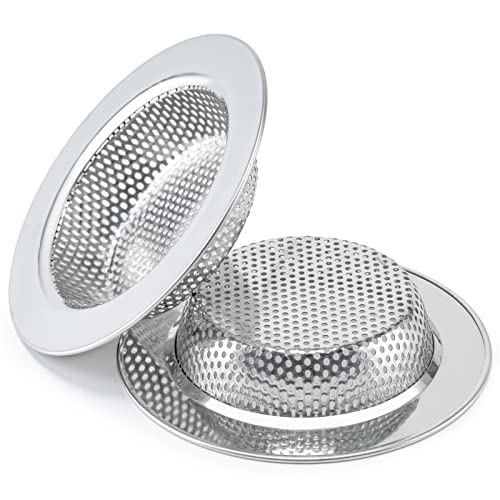
【Premium Materials】: Stainless steel sink strainer, bright, long-lasting, rustproof.

Effectively Trap Debris: This sink strainer basket lets water drain, not kitchen scraps. Other drain plugs works too well or not well enough — or they just don't last

The kitchen sink drain strainer/ full mesh basket replacement for the 3-1/2" US standard kitchen sink drain. The efficient method of anti-clogging shields to prevent drain clog by catching kitchen waste, food scraps, utensils, or debris particles while letting water flow seamlessly.
Regular Maintenance Tips
- Flush with Hot Water: Pour boiling water down the drain weekly to dissolve grease and food particles. This simple step can keep the drain flowing freely.
- Use Baking Soda: Sprinkle baking soda into the drain once a week. Baking soda absorbs odors and helps break down buildup.
- Routine Checks: Regularly inspect the sink area for leaks or standing water, as these can cause unpleasant smells. Fix any issues promptly.
- Clean the Drain Stopper: Remove and clean the stopper monthly to prevent debris accumulation, which can lead to odors.
Best Practices to Avoid Odors
- Avoid Disposal of Grease: Never pour cooking oil or grease down the drain. Instead, let it cool and dispose of it in a sealed container.
- Rinse Before Washing: Rinse off food scraps from dishes before placing them in the sink. This reduces food residue that can cause smells.
- Stay Mindful of What Goes Down: Keep non-food items out of the sink. Avoid disposing of coffee grounds or fibrous materials, as they can clog pipes.
- Install a Sink Strainer: Use a strainer to catch food particles and prevent them from entering the drain, minimizing the potential for odors.
Conclusion
Keeping your kitchen sink drain fresh doesn’t have to be a chore. With a little effort and the right techniques you can easily eliminate those pesky odors and enjoy a more pleasant cooking space. Remember to incorporate regular cleaning and maintenance into your routine to prevent buildup and keep smells at bay.
By using natural cleaning agents or store-bought products you can find what works best for you. Don’t forget the importance of being mindful about what goes down the sink. With these simple steps you’ll create a clean and inviting kitchen environment that you and your guests will love. Happy cleaning!
Frequently Asked Questions
What causes unpleasant odors in kitchen sink drains?
Unpleasant odors in kitchen sink drains usually stem from food residue, grease buildup, mold and mildew, or sewer gases. When food particles and grease accumulate, they can create a breeding ground for bacteria, leading to persistent smells.
How can I tell if my kitchen sink needs cleaning?
Signs that your sink needs cleaning include persistent odors, slow draining, visible debris, and complaints from guests about unpleasant smells. If you notice any of these indicators, it’s time to tackle the cleaning.
What natural cleaning supplies can I use for my kitchen sink drain?
Natural cleaning supplies include baking soda, white vinegar, lemon juice, and salt. These ingredients can effectively absorb moisture, break down grease, eliminate bacteria, and loosen debris without harsh chemicals.
What are some store-bought products for cleaning kitchen sinks?
Store-bought options include enzyme cleaners, chemical drain cleaners, odor eliminators, and disinfectant wipes. These products can target tough odors but should be used according to the manufacturer’s instructions for safety and effectiveness.
How do I clean my kitchen sink drain step by step?
To clean your kitchen sink drain, clear the counter, gather supplies, and wear gloves. Then, pour boiling water, add baking soda, followed by vinegar, and rinse with hot water. For persistent odors, consider using lemon juice or enzyme cleaners after the initial cleaning.
How can I prevent odors in my kitchen sink drain?
Prevent odors by flushing the drain with hot water weekly, using baking soda regularly, checking for leaks, and cleaning the drain stopper monthly. Avoid pouring grease down the drain and consider installing a sink strainer to catch food particles.
