
Tired of construction dust settling everywhere after a home renovation project? Imagine finally enjoying your newly upgraded space without the constant reminder of the mess. In this article, you’ll discover practical tips to efficiently tackle and eliminate construction dust, allowing you to breathe easy in your revamped surroundings.
Key Takeaways
- Construction dust is a common byproduct of renovation projects and can pose health risks if not managed properly.
- Different construction activities produce specific types of dust, such as sawdust from woodworking or silica dust from concrete cutting.
- To effectively clean up construction dust, seal off the work area, gather necessary cleaning supplies, and use vacuuming with a HEPA filter and wet cleaning techniques.
- Proper disposal of construction dust is crucial to prevent recontamination; follow local regulations for safe disposal practices.
- Prevent future dust accumulation by improving ventilation, sealing cracks, using doormats at entry points, and maintaining a consistent cleaning routine with a HEPA filter-equipped vacuum cleaner.
Understanding Construction Dust
Construction dust is a common byproduct of renovation or construction projects in your home. It consists of various particles generated during the building process. Understanding the types of construction dust and the potential health risks associated with it is crucial for maintaining a clean and safe environment post-construction.
Recommended Products
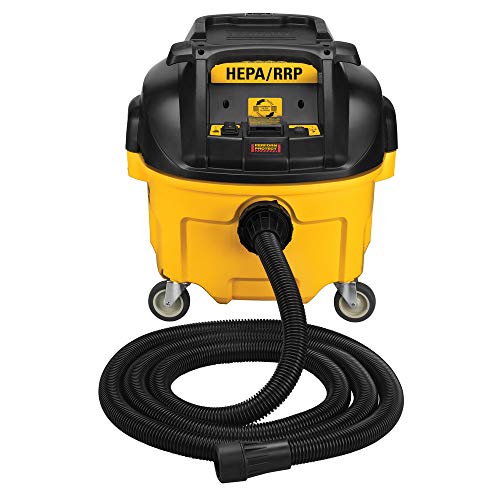
Automatic Filter Clean of the dust extractor pulses every 30 seconds for continuous operation without stopping to clean filter

Universal attachment picks up dust like no other!

POWER: With strong airflow and suction power, the BOSCH VAC090AH dust collector delivers a maximum 150 cubic feet of air per minute rate (CFM), with a sustainable maximum 97 in. static water lift
Types of Construction Dust
Different types of construction activities produce specific types of dust, depending on the materials involved. For instance, woodworking creates sawdust, while drywall work generates gypsum dust. Concrete cutting and grinding can lead to silica dust exposure, which poses serious health hazards if inhaled over time.
Health Risks Associated With Construction Dust
Exposure to construction dust can have adverse effects on your health if not properly managed. Inhaling these particles may cause respiratory issues such as coughing, wheezing, or even exacerbate conditions like asthma. Prolonged exposure to certain types of construction dust, such as asbestos fibers or silica dust, can increase the risk of developing severe lung diseases like asbestosis or silicosis.
By being aware of the different types of construction dust and understanding the associated health risks, you can take proactive steps to minimize exposure and ensure a cleaner living environment after completing your renovation project.
Pre-Cleanup Preparation
When getting ready to tackle the construction dust in your home, there are a few key steps you should take to ensure an effective cleanup process. Here’s what you need to do before diving into the actual cleaning:
Recommended Products
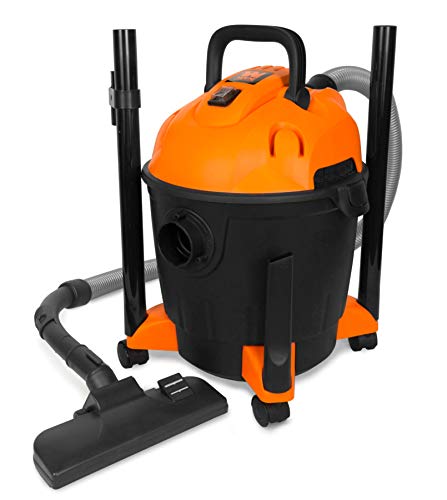
F9 HEPA filter helps fight pet dander and fine dust particles as small as 0. 3 microns

【Commercial Wet and Dry Vacuum Cleaner】 The WECLEAN V7 is a versatile commercial grade wet dry vacuum that handles wet pickup, dry debris, and functions as a blower. Perfect for cleaning spills, construction dust, garage messes, and patio leaves.
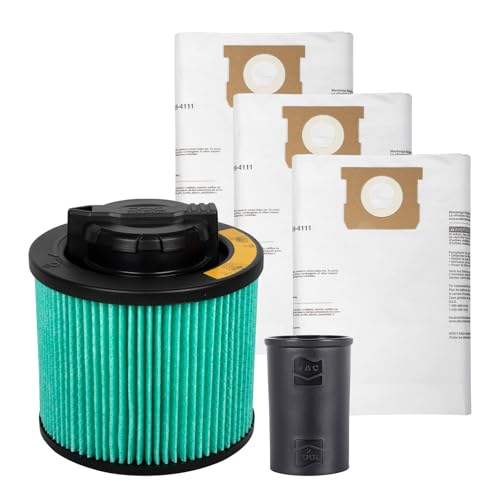
【COMPATIBLE MODEL】The DeWalt vacuum filter and filter bag kit are designd for DeWalt DXV04T, DXV05P, DXV05P-QT, DXV05S, DXV05S-QT, DXV06G, DXV06PL, DXV06PL-QT, DXV08S, DXV08SL, DXV08SA and DXV08S-QT wet dry vacuums. The power tool adapter effortlessly convert ffrom 1 7/8" to 1-2/3".
Sealing Off the Work Area
Before you start cleaning up the construction dust, it’s essential to seal off the work area properly. This step helps prevent dust from spreading to other parts of your home during the cleanup process. You can use plastic sheeting or zip walls to create a barrier around the renovation zone. It’s also a good idea to cover any furniture or items in close proximity with drop cloths or plastic covers.
Gathering Necessary Cleaning Supplies
To efficiently clean up construction dust, make sure you have all the necessary supplies on hand. Some essential cleaning tools and supplies include:
- Vacuum Cleaner: Opt for a vacuum with a HEPA filter to effectively capture fine particles.
- Microfiber Cloths: These are great for wiping down surfaces and trapping small dust particles.
- Mop and Bucket: Use these for cleaning hard floors after vacuuming.
- Cleaning Solution: Choose a suitable cleaner based on the type of surface you’re cleaning.
- Dust Masks and Gloves: Protect yourself from inhaling dust particles by wearing a mask and gloves.
Effective Dust Cleanup Methods
When it comes to cleaning up construction dust, there are several effective methods you can use to ensure a thorough job. Here are some practical tips for efficient dust cleanup after a home renovation project:
Recommended Products
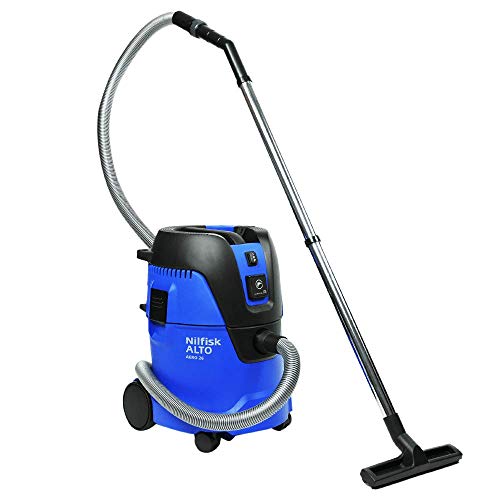

Purification: This HEPA filter kit effectively captures fine dust, pet dander, and , significantly improving your home's air quality for a healthier living environment for you and your family.

【Automatic HEPA Filter Clean】The automatic HEPA filter cleaning system, which captures 99.97% of particulates at 0.3 microns and larger, is designed to maintain optimal suction performance by periodically cleaning the filter without manual intervention. This system automatically initiates filter cleaning every 20 seconds, preventing dust buildup and ensuring continuous operation, in compliance with OSHA regulations for airborne particulate control in the workplace.
Vacuuming vs. Sweeping
Start by assessing whether vacuuming or sweeping is the best approach for your specific cleaning needs. Vacuuming with a machine equipped with a HEPA filter is ideal for capturing fine particles of dust that sweeping might miss. It’s especially useful on hard floors and carpets where dust tends to settle.
If you opt for sweeping, use a microfiber cloth or damp mop to trap the dust rather than dispersing it into the air again. Sweeping can be effective for larger debris but may not capture all the fine particles that vacuuming can.
Wet Cleaning Techniques
Wet cleaning techniques involve using water or cleaning solutions to wipe surfaces and remove dust effectively. Dampen a microfiber cloth with water or a suitable cleaning solution and gently wipe down surfaces to pick up remaining dust particles.
For hard floors, consider mopping with a damp mop using a mild cleaner. This method helps gather any leftover dust while providing an overall clean finish.
By incorporating these vacuuming and wet cleaning techniques into your cleanup routine, you’ll be able to tackle construction dust efficiently and enjoy a pristine living environment post-renovation.
Post-Cleanup Considerations
Disposing of Construction Dust Safely
After completing the cleanup process, it’s crucial to dispose of construction dust properly to maintain a clean environment. Bagging the collected dust in sturdy trash bags is essential to prevent any residual particles from escaping back into your living space. Ensure that the bags are securely sealed before disposal to avoid recontamination.
When discarding construction dust, be mindful of local regulations regarding waste disposal. Some areas have specific guidelines for disposing of construction debris due to potential contaminants. Contact your local waste management authority or check their website for instructions on how to dispose of construction dust safely and responsibly.
Remember that dumping construction dust in regular household bins may not be permitted in certain locations because of its composition and potential hazards. By adhering to proper disposal protocols, you contribute to environmental safety and prevent any health risks associated with improper handling of construction debris.
Preventing Future Dust Accumulation
To minimize future dust accumulation after cleaning up post-construction debris, consider implementing preventive measures. Start by improving ventilation systems in your home to enhance air circulation and reduce the settling of airborne particles. Regularly changing HVAC filters can also help trap dust before it spreads throughout your living spaces.
Additionally, sealing cracks and gaps in walls, windows, and doors can prevent outside pollutants from entering your home and accumulating as indoor dust. Using doormats at entry points helps capture dirt from shoes before it spreads inside, reducing the amount of outdoor debris tracked into your living areas.
Maintaining a consistent cleaning routine such as vacuuming regularly with a HEPA filter-equipped vacuum cleaner can significantly reduce the buildup of dust particles on surfaces. Incorporating these preventive strategies into your daily habits can promote a cleaner indoor environment and prolong the effects of your post-construction cleanup efforts.
Conclusion
You’re now equipped with the knowledge and tools to tackle construction dust like a pro. By following the outlined steps for efficient cleanup, you can ensure a clean and safe environment post-renovation. Remember to prioritize sealing off the work area, choosing the right cleaning supplies, and utilizing effective dust removal methods. Proper disposal of construction dust is key, so make sure to bag it securely and adhere to local waste disposal guidelines. To maintain a dust-free living space in the long run, focus on improving ventilation, sealing cracks, using doormats, and establishing a regular cleaning routine with a HEPA filter-equipped vacuum cleaner. These simple yet effective strategies will help you enjoy your newly renovated home without worrying about pesky construction dust lingering around.
Frequently Asked Questions
What are the pre-cleanup steps to handle construction dust after renovation?
Before starting cleanup, seal off the work area with plastic sheeting and gather necessary supplies like a vacuum cleaner with HEPA filter, microfiber cloths, and damp mops.
What are effective dust cleanup methods post-renovation?
Effective methods include vacuuming with a HEPA filter vacuum or sweeping followed by wiping surfaces with microfiber cloths or damp mops for thorough dust removal.
How should construction dust be disposed of properly?
Securely bag the construction dust in heavy-duty bags and follow local waste disposal regulations for safe and proper disposal.
How can future dust accumulation be prevented after renovation?
Improve ventilation, seal cracks, use doormats at entry points, and maintain regular cleaning routines with a HEPA filter-equipped vacuum cleaner.
