
Tired of dealing with clogged pipes due to stubborn grease buildup? Ever wonder how to effectively tackle this greasy mess without calling a plumber? Imagine having a simple solution at your fingertips, saving you time and money.
Picture this: You’re in the middle of washing dishes when the sink starts draining slowly, signaling another grease-related plumbing issue. Instead of reaching for harsh chemicals or expensive services, what if you could easily resolve it yourself?
In this article, you’ll discover practical tips and DIY hacks on cleaning grease out of pipes effortlessly. Say goodbye to blockages and hello to smooth-flowing drains with our easy-to-follow guide.
Key Takeaways
- Grease buildup in pipes is mainly caused by improper disposal of fats, oils, and grease down drains.
- Grease accumulation can lead to blockages, slow drainage, foul odors, and complete pipe blockages if not addressed.
- DIY methods like using hot water and detergent or vinegar and baking soda can help clean grease from pipes effectively.
- Professional techniques such as hydro-jetting and enzymatic cleaners are powerful solutions for tough grease removal in pipes.
- Preventative measures like proper FOG disposal and regular maintenance can keep pipes grease-free and prevent clogs.
Understanding Grease Buildup in Pipes
Causes of Grease Accumulation
Grease accumulation in pipes is primarily caused by improper disposal of fats, oils, and grease down your drains. When you wash greasy dishes or pour oil remnants from cooking down the sink, these substances can solidify and stick to the inner walls of your pipes over time. As this buildup accumulates, it constricts the flow of water through the pipes, leading to clogs that can impede proper drainage.
Impact of Grease on Plumbing
The presence of grease in your plumbing system can have detrimental effects on its functionality. Over time, as grease continues to accumulate within the pipes, it creates blockages that restrict water flow. These blockages not only cause slow draining but can also result in complete pipe blockages if left unaddressed. Additionally, grease buildup increases the likelihood of foul odors emanating from your drains due to decomposing organic matter trapped within the congealed grease layers.
By understanding how grease buildup occurs and its impact on your plumbing system, you can take proactive steps to prevent clogs and maintain smooth-flowing drains.
DIY Methods for Cleaning Grease from Pipes
Recommended Products
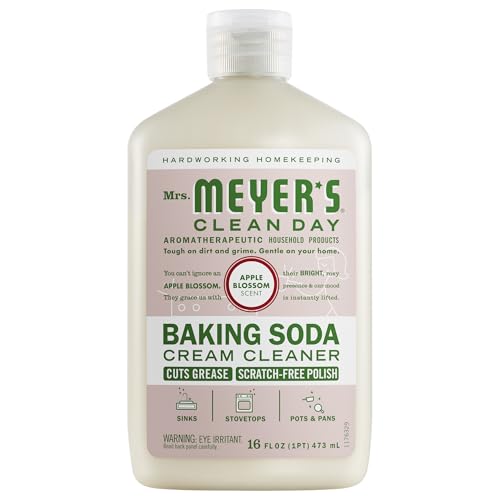
Mrs. Meyer’s Baking Soda Cream Cleaner removes soap scum and grease build-up to make your kitchen sparkle

ELIMINATES CLOGS FAST: Our powerful shower drain clog remover dissolves hair & soap scum in as little as 30 minutes.

TRUSTED BRAND: Drano has been used and trusted for generations. Avoid spending money on a plumber and use Drano.
Hot Water and Detergent Solution
To clean grease out of pipes using a hot water and detergent solution, start by boiling a large pot of water. Once the water reaches a rolling boil, carefully pour it down the drain. Follow this up with a generous amount of dish soap or any mild detergent. Let the soapy solution sit in the pipes for about 15-20 minutes to break down the grease buildup. Finish by flushing the pipes with more hot water to wash away the loosened grease.
Vinegar and Baking Soda Method
Another effective DIY method for cleaning grease from pipes is using vinegar and baking soda. Begin by pouring half a cup of baking soda down the drain, followed by one cup of distilled white vinegar. The mixture will fizz as it reacts – this helps dislodge and break down grease deposits within the pipes. Allow it to work its magic for around 30 minutes before rinsing thoroughly with hot water to clear out any remaining residue.
Professional Grease Removal Techniques
When it comes to tackling tough grease buildup in your pipes, sometimes DIY methods may not be sufficient. In such cases, you can turn to professional grease removal techniques that are more powerful and effective. Here are some advanced methods commonly used by professionals:
Hydro-Jetting
Hydro-jetting is a high-pressure water cleaning technique that can effectively remove stubborn grease deposits from your pipes. This method involves using a specialized machine that blasts pressurized water into the pipes, breaking down and flushing out the accumulated grease. The force of the water is strong enough to dislodge even the most hardened grease, leaving your pipes clean and free-flowing.
Enzymatic Cleaners
Enzymatic cleaners are another professional-grade solution for removing grease from pipes. These cleaners contain specially formulated enzymes that break down organic matter like grease, fats, and oils. By applying enzymatic cleaners to your clogged pipes, you can effectively dissolve the greasy residue, allowing it to be easily rinsed away. This method is not only efficient but also environmentally friendly as it uses natural enzymes to tackle tough grease buildup.
By utilizing these professional grease removal techniques like hydro-jetting and enzymatic cleaners, you can ensure that your pipes remain clear of any stubborn grease deposits, preventing clogs and maintaining smooth drainage in your plumbing system.
Preventative Measures to Keep Pipes Grease-Free
Recommended Products

ENZYME ENHANCED FORMULA: Green Gobbler Enzymatic Drain & Grease Trap Cleaner uses an enzyme enhanced formula to clear buildup and remove odors in grease traps, septic tanks and similar plumbing systems. It helps digests oils, fats, grease, sludge and other food waste within hours of application. This bottle uses anti-glug technology to help reduce splashing and provides up to eight treatments.

END SLOW DRAINS: Stop clogs from ever building with a preventative probiotic and enzyme formula that digest organic waste in your plumbing system

ELIMINATE DRAIN CLOGS & ODORS: One Green Gobbler Drain Stick will help remove organic matter that can be the starting point for stinky odors and clogs. It works hard to deodorize pipes and attacks grease, food, fats, oils and scum that cause slow-moving drains.
Proper Disposal of Grease and Oils
To prevent grease buildup in your pipes, it’s essential to dispose of fats, oils, and grease (FOG) properly. Instead of pouring them down the drain where they can solidify and cause blockages, collect FOG in a container. Once cooled and solidified, you can then throw it in the trash. By adopting this simple habit after cooking, you’ll significantly reduce the amount of grease entering your plumbing system.
Regular Maintenance Tips
Maintaining grease-free pipes requires regular upkeep. One effective tip is to schedule routine hot water flushes. Simply pour boiling water down the drain once a week to help melt away any accumulated grease before it solidifies. Additionally, using enzymatic drain cleaners monthly can break down organic matter like grease and prevent clogs from forming. These proactive steps will keep your pipes clear and ensure smooth drainage throughout your plumbing system.
By following these preventative measures through proper disposal practices and regular maintenance routines, you can effectively keep your pipes free from grease buildup, ensuring a hassle-free plumbing experience.
Conclusion
You’ve learned valuable insights on tackling grease buildup in pipes effectively. By understanding the causes and impact of grease accumulation, you can take proactive steps to prevent clogs and maintain smooth-flowing drains. DIY solutions like hot water with detergent or vinegar and baking soda mixtures offer effective ways to clean grease from pipes. Additionally, professional methods such as hydro-jetting and enzymatic cleaners provide powerful alternatives for stubborn grease deposits. Remember, proper disposal of fats, oils, and grease is crucial to prevent future buildup. Incorporating regular maintenance practices like hot water flushes and enzymatic drain cleaners will help keep your plumbing system running smoothly. With these tips at hand, you can ensure hassle-free drainage and avoid the frustration of clogged pipes caused by grease accumulation.
Frequently Asked Questions
Q: What causes grease buildup in pipes?
A: Grease buildup in pipes is primarily caused by improper disposal of fats, oils, and grease down the drain, leading to clogs and slow drainage.
Q: How does grease affect plumbing?
A: Grease can cause blockages, slow drainage, and foul odors in plumbing systems if not addressed promptly.
Q: What DIY methods can I use to clean grease from pipes?
A: You can use a hot water and detergent solution or a vinegar and baking soda mixture to effectively break down and remove grease deposits from pipes.
Q: What are professional grease removal techniques?
A: Professional techniques like hydro-jetting (high-pressure water cleaning) and enzymatic cleaners (using specialized enzymes) are effective in removing stubborn grease deposits from pipes.
Q: How can I prevent grease buildup in my pipes?
A: Properly dispose of fats, oils, and grease by collecting them in a container and throwing them in the trash once cooled. Regular maintenance like hot water flushes and using enzymatic drain cleaners monthly can also help prevent clogs.
