
Do you find yourself struggling with soot-covered fireplace logs every winter? Picture this: you’re all set for a cozy evening by the fire, only to be greeted by dirty logs that dampen the mood. How can you enjoy a crackling fire when your logs are in need of a good clean?
Key Takeaways
- Understanding the types of fireplace logs, including artificial logs and natural wood logs, helps in choosing based on convenience and aesthetics.
- Regularly cleaning fireplace logs is crucial for efficient burning, preventing creosote buildup, and enhancing safety during fireplace use.
- Before cleaning fireplace logs, assess your fireplace type and gather necessary tools like a soft-bristled brush, vacuum cleaner, mild detergent or vinegar solution, microfiber cloth, and gloves.
- Deep cleaning techniques vary for traditional wood-burning logs and gas fireplace logs with artificial materials; follow specific steps tailored to your log type for effective cleaning.
- Maintain clean fireplace logs by inspecting regularly, cleaning routinely to prevent buildup, handling with care during maintenance tasks, and addressing signs indicating the need for cleaning promptly.
- Consider professional cleaning services for thorough cleanliness, increased efficiency, safety assurance during use, prolonged lifespan of logs, specialized knowledge in log care needs; research local options and check reviews before selecting a service provider.
Understanding Fireplace Logs and Their Importance
Fireplace logs play a crucial role in creating a warm and inviting ambiance in your home during the colder months. By understanding the types of fireplace logs available and why cleaning them is essential, you can ensure a safe and enjoyable experience when using your fireplace.
Types of Fireplace Logs
When it comes to fireplace logs, there are primarily two main types: artificial logs and natural wood logs. Artificial logs, often made from sawdust or wax, provide a convenient and cleaner option for burning in your fireplace. On the other hand, natural wood logs offer a traditional experience with crackling sounds and aromatic scents that many enjoy.
Artificial Logs: These manufactured logs are designed to burn efficiently while producing minimal smoke and residue. They are easy to store, light, and maintain compared to natural wood logs.
Natural Wood Logs: Harvested from trees like oak, birch, or maple, natural wood logs offer an authentic fireplace experience with their unique aroma and visual appeal. However, they require more maintenance due to the potential for soot buildup.
Understanding the differences between these two types of fireplace logs can help you choose the best option based on your preferences for convenience, aesthetics, and overall experience.
Why Cleaning is Crucial
Regularly cleaning your fireplace logs is essential for maintaining both the efficiency of your fireplace and ensuring safety within your home. Here’s why cleaning is crucial:
- Efficient Burning: Soot buildup on fireplace logs can hinder proper airflow within the firebox, leading to inefficient burning. Cleaning the logs helps maintain optimal combustion conditions for a consistent flame.
- Preventing Creosote Buildup: Soot accumulation on logs can contribute to creosote formation in the chimney—a highly flammable substance that poses a fire hazard if not removed regularly.
- Enhancing Safety: Clean fireplace logs reduce the risk of sparks or embers escaping during burning sessions, minimizing the chance of accidental fires in your home.
By incorporating regular cleaning practices into your fireplace maintenance routine, you not only improve its performance but also create a safer environment for enjoying cozy evenings by the fire.
Pre-Cleaning Preparations
Recommended Products
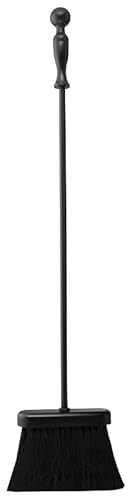
Heavy-Duty Construction: The Rocky Mountain Goods Hearth Brush is built to last. Its robust metal construction guarantees durability, making it a reliable choice for regular use

Cleans tight spaces, troughs, seams and pockets in Pellet Stoves, Wood Stoves, Fireplaces and BBQ Grills

Premium Materials: The handle is plastic and our bristles are coconut tree, which has strong cleaning power, making your fireplace easy to clean.
Assessing Your Fireplace Type
Before starting the cleaning process, it’s crucial to assess your fireplace type. Whether you have a traditional wood-burning fireplace or a gas fireplace with decorative logs, understanding the specific requirements of your setup is essential. Gas fireplaces may have artificial logs that require different cleaning methods than natural wood logs in traditional fireplaces.
Necessary Tools and Materials
To effectively clean your fireplace logs, gather the following tools and materials:
- Soft-bristled brush: Use this to gently remove loose soot and dirt from the surface of the logs.
- Vacuum cleaner with brush attachment: Ideal for cleaning hard-to-reach areas between and around the logs.
- Mild detergent or vinegar solution: Dilute in water for a gentle yet effective cleaning solution.
- Microfiber cloth: Use to wipe down the logs after cleaning to remove any remaining residue.
- Gloves: Protect your hands from dirt and chemicals during the cleaning process.
Ensure you have these items on hand before beginning the cleaning process to make it more efficient and straightforward.
Step-by-Step Guide on How to Clean Fireplace Logs
Removing Logs and Initial Cleaning
When it comes to cleaning your fireplace logs, the first step is removing them from the fireplace. Carefully lift each log out of the firebox and place them on a protective surface. Before you start cleaning, ensure that the logs are cool to the touch for safety.
Next, perform an initial cleaning by gently brushing off any loose debris or soot from the logs using a soft-bristled brush. This will help prepare them for a more thorough cleaning process.
Deep Cleaning Techniques for Different Types of Logs
For traditional wood-burning fireplace logs, deep cleaning involves using a vacuum cleaner with a brush attachment to remove embedded dirt and debris. Be sure to vacuum both the exterior and interior surfaces of the logs carefully.
If you have gas fireplace logs with artificial materials like ceramic or refractory cement, use a mild detergent solution and a microfiber cloth to wipe down the surfaces. Avoid harsh chemicals that could damage these types of logs.
Remember, understanding the specific requirements of your fireplace type is essential before delving into deep cleaning techniques. By following these steps tailored to your specific log type, you can maintain clean and efficient fireplace logs for safe and enjoyable use.
Maintaining Fireplace Logs
Recommended Products

Steel shovel with natural wooden handle, black finish.

[Button Locking Design] The chimney sweep kit features a beautiful chrome-plated button design that ensures that it will not loosen or break during rotation. Easy to install and remove, can also be used for dryer vent duct cleaning

REDUCES CREOSOTE BUILDUP: Actively dries out and neutralizes dangerous creosote and tar deposits in your chimney to prevent chimney fires. Trusted to protect chimneys for over 25 years.
Regular Maintenance Tips
To keep your fireplace logs in top condition, it’s essential to follow some regular maintenance tips. Here’s what you should do:
- Inspect Regularly: Check your logs periodically for any signs of wear, soot buildup, or damage.
- Clean Routinely: Make a habit of cleaning your fireplace logs regularly to prevent excessive buildup and ensure efficient burning.
- Handle with Care: When handling the logs during cleaning or maintenance, be gentle to avoid causing any damage.
Signs That Indicate Cleaning Is Needed
Knowing when it’s time to clean your fireplace logs is crucial for their upkeep. Look out for these signs that indicate cleaning is needed:
- Soot Buildup: If you notice a significant amount of soot on the logs, it’s time for a thorough cleaning.
- Reduced Efficiency: When your fireplace doesn’t burn as effectively as before, it might be due to dirty logs needing attention.
- Visible Debris: Any visible debris or dirt on the surface of the logs indicates they need cleaning.
- Strange Smells: Unusual odors emanating from the fireplace can signal that the logs require cleaning.
By staying proactive and addressing these signs promptly, you can ensure that your fireplace logs remain clean and functional for cozy fireside experiences.
Professional Cleaning and When to Consider It
When it comes to cleaning your fireplace logs, you might encounter situations where professional cleaning becomes necessary. Here are some instances when opting for professional services could be beneficial:
Benefits of Professional Cleaning
- Thorough Cleanliness: Professionals have the expertise and tools to ensure a deep clean that may not be achievable with regular at-home methods.
- Increased Efficiency: Proper cleaning by experts can enhance the efficiency of your fireplace, ensuring optimal performance.
- Safety Assurance: Professionals can inspect for any potential safety hazards, providing peace of mind during fireplace use.
- Prolonged Lifespan: Regular professional maintenance can extend the lifespan of your fireplace logs, saving you money in the long run.
- Specialized Knowledge: Professional cleaners are equipped with specialized knowledge on different types of logs, ensuring appropriate care tailored to specific needs.
How to Find and Choose a Service Provider
If you decide to go for professional cleaning services for your fireplace logs, here’s how you can find and select a reliable provider:
- Research Local Options: Look for companies specializing in fireplace maintenance in your area through online searches or recommendations from friends and family.
- Check Reviews: Read reviews or testimonials from previous customers to gauge the quality of service provided by different companies.
- Inquire About Services Offered: Contact potential service providers to inquire about their specific offerings related to fireplace log cleaning.
- Ask About Experience and Certification: Ensure that the professionals are experienced in handling fireplace log cleaning and hold relevant certifications if required by local regulations.
- Get Quotes: Request quotes from multiple service providers to compare prices and services offered before making a decision on who to hire.
Conclusion
Now that you’ve learned the ins and outs of cleaning fireplace logs, you’re equipped with the knowledge to keep your fireplace running smoothly. Regular maintenance is key to efficient burning and safety. Professional cleaning offers thorough cleanliness, increased efficiency, safety assurance, and a longer lifespan for your logs. Remember to research local service providers, check reviews, inquire about services offered, verify experience and certification, and get quotes before making a decision. With these tips in mind, you can enjoy a cozy fireplace without the hassle of soot-covered logs. Happy cleaning!
Frequently Asked Questions
What are the signs that indicate my fireplace logs need cleaning?
If you notice excessive soot buildup, a strong smoky odor, difficulty starting fires, or inefficient burning with more smoke than flames, it’s time to clean your fireplace logs.
Why is regular maintenance of fireplace logs important?
Regular maintenance prevents soot buildup that can lead to chimney fires, ensures efficient burning for warmth and ambiance, and promotes better indoor air quality by reducing harmful emissions.
What are the benefits of professional cleaning for fireplace logs?
Professional cleaning offers thorough removal of creosote and soot, enhances efficiency for better heat output, ensures safety from potential fire hazards, extends the lifespan of your fireplace system, and provides expert knowledge on proper maintenance techniques.
How can I find a reliable service provider for cleaning my fireplace logs?
To find a trustworthy service provider, research local companies specializing in chimney services, check online reviews for feedback from previous customers, inquire about specific services offered including log cleaning expertise, verify their experience and certification in the industry, and obtain quotes for comparison before making a hiring decision.
