
Do you ever wonder how to keep your diesel fuel tank clean and running smoothly? Picture this: you’re on the road, and suddenly your engine starts sputtering due to a dirty tank. It’s a common issue that can be easily prevented with the right know-how.
In this article, we’ll show you simple yet effective ways to clean your diesel fuel tank like a pro. By following these practical tips, you’ll not only improve your vehicle’s performance but also save time and money on potential repairs. Let’s dive into the step-by-step process of cleaning your diesel fuel tank for hassle-free driving ahead.
Key Takeaways
- Different types of contaminants like water, dirt, microbial growth, and algae can affect diesel fuel tanks and lead to various issues such as corrosion, reduced efficiency, engine sputtering, and injector clogging.
- Safety measures are crucial when cleaning a diesel fuel tank, including working in well-ventilated areas, turning off ignition sources, avoiding smoking, and wearing personal protective equipment.
- The step-by-step process for cleaning a diesel fuel tank involves draining the tank completely, scrubbing interior surfaces with a suitable cleaning solution, and handling waste properly following environmental guidelines.
- Regular maintenance practices such as inspecting the tank for contamination, monitoring fuel quality, keeping the tank relatively full but not overfilling it, using proper filtration systems with quality filters are essential for optimal performance.
- Utilizing additives like biocide additives to eliminate microbial contamination, fuel stabilizers to prevent fuel degradation, water dispersant additives to remove water droplets from diesel fuel safely during combustion can help keep the diesel fuel tank clean and maintain engine efficiency.
Understanding Diesel Fuel Tank Contamination
When it comes to your diesel fuel tank, understanding the various types of contaminants that can affect it is crucial for maintaining optimal engine performance. Here’s a breakdown of the common contaminants you might encounter and how they can impact your vehicle.
Types of Contaminants in Diesel Fuel Tanks
- Water: Water is one of the most common contaminants found in diesel fuel tanks. It can enter the tank through condensation or leaks in the tank itself. Water contamination can lead to microbial growth, corrosion, and injector damage.
- Dirt and Sediment: Dirt, dust, rust particles, and other solid contaminants can accumulate at the bottom of your fuel tank over time. These particles can clog fuel filters, injectors, and cause abrasive wear on fuel system components.
- Microbial Growth: Microorganisms like bacteria and fungi thrive in the presence of water and organic material in diesel fuel tanks. Microbial growth can form slime layers that clog filters, corrode metal surfaces, and degrade fuel quality.
- Algae: Algae growth is a specific type of microbial contamination commonly found in diesel fuel tanks exposed to sunlight or warm temperatures. Algae colonies can clog filters, produce acids that corrode metal surfaces, and reduce fuel efficiency.
Effects of Contamination on Engine Performance
Understanding how contamination affects engine performance is essential for diagnosing potential issues early on to prevent costly repairs down the line:
- Reduced Efficiency: Contaminants like water or dirt in your diesel fuel can decrease combustion efficiency by altering the air/fuel mixture ratio or causing incomplete combustion cycles.
- Engine Sputtering: Dirty fuel tanks with sediment or microbial growth often result in engine sputtering due to restricted flow through clogged filters or injectors.
- Corrosion Damage: Water-based contaminants promote corrosion within the fuel system components leading to premature wear and potential leaks if left untreated.
- Injector Clogging: Sediment buildup from contaminated fuel can block injectors’ small openings resulting in poor spray patterns affecting engine performance and emissions.
By recognizing these types of contaminants and their effects on engine performance, you’ll be better equipped to take proactive steps towards keeping your diesel fuel tank clean for smooth operation without unexpected breakdowns.
Preparing to Clean Your Diesel Fuel Tank
Recommended Products

PERMANENTLY SEALS GAS TANKS UP TO 25 GALLONS: Complete 3-step kit cleans, preps, and permanently seals the inside of steel, aluminum, and fiberglass fuel tanks in one pour-coat-and-drain application.

Disperses diesel fuel contaminants

🚙EASY TO INSTALL: The auxiliary tank used to connect the RDS tank to the truck is for diesel fuel only. the RDS auxiliary tank is easy to install and provides a stable gravity fuel supply to control the fuel level from the OE tank.
Gathering Necessary Tools and Materials
To start cleaning your diesel fuel tank effectively, you’ll need a few essential tools and materials. Here’s a list of what you should gather before beginning the cleaning process:
- Safety gloves: Protect your hands from any harmful substances or sharp edges inside the fuel tank.
- Safety goggles: Shield your eyes from splashes or fumes during the cleaning procedure.
- Rags or paper towels: Use these to wipe up spills or excess fuel.
- Fuel transfer pump: Helps in safely removing the diesel fuel from the tank.
- Cleaning solution: Choose a suitable cleaner recommended for diesel tanks to remove contaminants effectively.
Safety Measures to Follow
Ensuring safety is paramount when cleaning your diesel fuel tank. Here are some crucial safety measures you should adhere to throughout the cleaning process:
- Work in a Well-Ventilated Area: Prioritize working in an open space or well-ventilated area to avoid inhaling harmful fumes.
- Turn Off Ignition Sources: Before starting, make sure all ignition sources like pilot lights are turned off to prevent accidents.
- Avoid Smoking: Refrain from smoking near the work area as it can be extremely dangerous due to the flammable nature of diesel fuel vapors.
- Use Personal Protective Equipment (PPE): Wear safety gloves and goggles at all times while handling chemicals and working inside the tank.
By following these safety measures and having the necessary tools on hand, you can proceed with confidence in preparing to clean your diesel fuel tank efficiently.
Step-by-Step Guide on How to Clean Diesel Fuel Tank
Recommended Products

Diesel Engines Injector Seat Cleanner Brush Kit is Specially design to clean injector seats, clean rust carbon and other debris from seats and cups.

Delphi brings 80 + years of OE heritage into each Delphi assembly, ensuring quality and fitment for each Delphi part

Safe for use in all diesel engines: Disperses diesel fuel contaminants, removes water and slime
Draining the Tank
To begin cleaning your diesel fuel tank, the first step is draining it completely. Start by locating the drain plug or valve on the tank. Make sure to place a suitable container underneath to collect the fuel safely. Open the drain and let all the fuel flow out until the tank is empty. Ensure you dispose of the drained fuel properly according to local regulations.
Cleaning the Interior Surfaces
Once you’ve drained the tank, it’s time to clean its interior surfaces thoroughly. Begin by preparing a cleaning solution recommended for diesel tanks; this could be a commercial cleaner or a mixture of detergent and water. Next, using a long-handled brush, scrub all interior surfaces of the tank vigorously to remove any dirt, sediment, or microbial growth present.
Handling Waste and Cleanup
After cleaning, it’s crucial to handle waste and perform cleanup correctly. Dispose of any waste materials such as old filters, rags used for cleaning, or contaminated fuel in accordance with environmental guidelines. Clean up any spills promptly using absorbent materials like rags or spill kits designed for fuel cleanup. Remember always to prioritize safety during disposal and cleanup processes.
Preventative Measures to Keep Your Fuel Tank Clean
Recommended Products
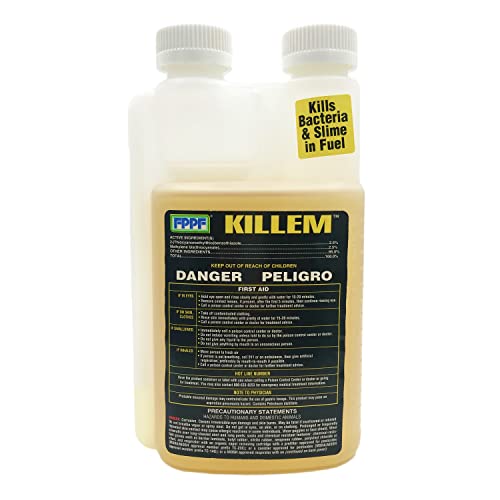
One 16 oz bottle of Killem

REVOLUTIONARY CLEANING POWER - Enzyme-based additive that cleans sludge and other fuel contaminants from gasoline and diesel tanks

Cleans dirty injectors and prevents injector sticking in both High Pressure Common Rail (HPCR) and older systems
Regular Maintenance Tips
To maintain a clean diesel fuel tank and ensure your vehicle’s optimal performance, incorporating regular maintenance practices is crucial. Here are some practical tips to help you keep your fuel tank in top condition:
- Inspect Regularly: Make it a habit to visually inspect your fuel tank for any signs of contamination or buildup. Look out for water accumulation, sediment deposits, or microbial growth that may indicate the need for cleaning.
- Monitor Fuel Quality: Use high-quality diesel fuel from reputable sources to minimize the risk of contaminants entering your tank. Contaminated fuel can lead to various issues and compromise engine efficiency.
- Keep Tank Full: Whenever possible, try to keep your fuel tank relatively full. This helps reduce condensation inside the tank, which can lead to water buildup and promote microbial growth.
- Avoid Overfilling: While keeping your tank full is beneficial, avoid overfilling it as this can cause spills and increase the chances of introducing contaminants into the system.
- Use Proper Filtration: Install quality fuel filters in your vehicle’s system to capture impurities before they reach the tank. Regularly check and replace filters as needed to maintain efficient filtration.
Using Additives and Fuel Treatments
In addition to regular maintenance practices, utilizing additives and fuel treatments can further aid in keeping your diesel fuel tank clean:
- Biocide Additives: Consider adding biocide additives to your diesel fuel periodically, especially if you suspect microbial contamination. Biocides help eliminate algae and bacteria that can thrive in diesel tanks.
- Fuel Stabilizers: Using fuel stabilizers can prevent oxidation and degradation of diesel fuel over time, helping maintain its quality and reducing the formation of harmful deposits in the tank.
- Water Dispersants: Water dispersant additives are effective in breaking down water droplets suspended in diesel fuel, allowing them to be safely burned off during combustion without causing damage or inefficiency.
- Injector Cleaners: Periodically using injector cleaners as part of your maintenance routine can help prevent injector clogging due to carbon deposits or other contaminants present in the fuel system.
By implementing these preventative measures through regular maintenance checks, proper handling procedures, and strategic use of additives, you can significantly reduce the risk of contamination in your diesel fuel tank while ensuring optimal performance and longevity for your vehicle’s engine.
Conclusion
Maintaining a clean diesel fuel tank is crucial for your vehicle’s performance. Contaminants like water, dirt, sediment, and microbial growth can cause engine issues. By following the step-by-step cleaning guide and adopting preventative measures such as regular inspections, using quality fuel, proper filtration, and additives like biocides and stabilizers, you can reduce contamination risks. Remember to keep your tank full but not overfilled. Implementing these practices will not only ensure optimal engine performance but also prolong the lifespan of your vehicle. Stay proactive in keeping your diesel fuel tank clean for a smoother driving experience.
Frequently Asked Questions
Why is it important to maintain a clean diesel fuel tank?
Regular maintenance of a clean diesel fuel tank is crucial for optimal vehicle performance. Contaminants like water, dirt, sediment, and microbial growth can lead to engine issues if not addressed promptly.
What are the key steps involved in cleaning a diesel fuel tank?
Cleaning a diesel fuel tank involves several essential steps: draining the tank completely, removing any remaining residue or contaminants, scrubbing the interior walls, inspecting for damage or corrosion, and ensuring proper waste disposal.
How can I prevent contamination in my diesel fuel tank?
Preventative measures include regular inspections, using quality fuel sources, keeping the tank adequately filled (but not overfilled), employing proper filtration systems, and utilizing additives like biocides, stabilizers, water dispersants, and injector cleaners.
