
Tired of unsightly mold ruining the look of your outdoor travertine pavers? Imagine enjoying your patio or walkway without the worry of mold creeping in. What if you could easily restore the beauty of your outdoor space with simple cleaning techniques?
You don’t have to struggle with mold on your travertine pavers any longer. In this article, you’ll discover practical tips and tricks to effectively clean mold and prevent it from coming back. Say goodbye to scrubbing endlessly and hello to a pristine outdoor area that you can be proud of.
Ready to reclaim the charm of your outdoor living space? Let’s explore how you can tackle mold on your travertine pavers effortlessly and enjoy a fresh, clean look that lasts.
Key Takeaways
- Mold grows on outdoor travertine pavers due to damp and shaded environments, porous nature of the stone, and organic matter accumulation.
- Mold on travertine pavers not only affects aesthetics but also poses safety risks like slippery surfaces and potential damage to the stones.
- Use environmentally friendly cleaning solutions like a water and white vinegar mixture in a 1:1 ratio to effectively clean mold from travertine pavers.
- Wear protective gear such as rubber gloves and masks when handling cleaning materials to ensure safety during the cleaning process.
- Regular maintenance tips for preventing mold growth include sweeping frequently, using mild cleaners, inspecting for damage, and applying sealer annually.
- Preventive measures like improving drainage, trimming nearby foliage, and promoting air circulation help in keeping mold at bay on outdoor travertine pavers.
Understanding Mold Growth on Outdoor Travertine Pavers
Why Mold Grows on Travertine Pavers
Mold thrives in damp and shaded environments, making outdoor travertine pavers an ideal breeding ground. The porous nature of travertine allows moisture to seep in, providing a perfect habitat for mold spores to grow. Additionally, organic matter like leaves or dirt that accumulates on the surface can further promote mold growth by acting as a food source.
Effects of Mold on Travertine Pavers
Mold not only detracts from the aesthetic appeal of your outdoor space but can also pose safety risks. As mold spreads across travertine pavers, it can create slippery surfaces that increase the chances of slips and falls. Furthermore, mold can deteriorate the integrity of the pavers over time if left unchecked, leading to costly repairs or replacements.
By understanding why mold grows on outdoor travertine pavers and recognizing its detrimental effects, you can take proactive steps to combat mold growth effectively and preserve the beauty and longevity of your outdoor living area.
Essential Tools and Supplies for Cleaning Mold
Recommended Products
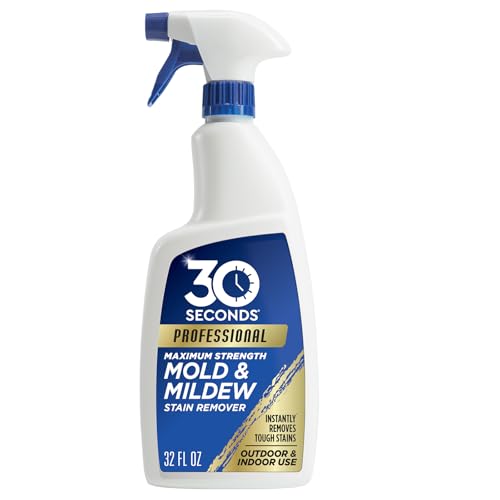
BRIGHTER RESULTS INSTANTLY: Noticeably brightens indoor and outdoor surfaces, removing black mold and mildew stains as you watch, with no scrubbing or pressure washing required for fast, visible results

Quickly removes stains caused by mold and mildew on contact without heavy scrubbing; EASY TO USE - spray, wait until the stain disappears, then rinse

REMOVES STAINS FROM ORGANIC GROWTH: The 30 SECONDS Outdoor Cleaner rapidly cleans stains from algae, mold, mildew, moss, dirt and grime on outdoor surfaces, with no scrubbing and no pressure washing
Cleaning Solutions
When tackling mold on your outdoor travertine pavers, you’ll need effective cleaning solutions to ensure thorough removal. Opt for environmentally friendly options like a mixture of water and white vinegar in a 1:1 ratio. This natural solution is safe for both the pavers and the environment while being powerful enough to combat mold effectively.
Protective Gear
Prioritize your safety by wearing appropriate protective gear while cleaning mold from outdoor travertine pavers. Equip yourself with rubber gloves to shield your hands from any potential skin irritation caused by cleaning solutions. Additionally, wear a mask to prevent inhaling mold spores during the cleaning process, ensuring your well-being throughout the task.
Step-by-Step Guide to Clean Mold from Travertine Pavers
Recommended Products

Wet & Forget Ready To Use Outdoor Cleaner comes with a high-capacity trigger sprayer for quick application to smaller surfaces; removes green and black stains caused by moss, mold, mildew, and algae, no scrubbing, no rinsing, no pressure washing, just wet it and forget it on multiple surfaces including, porch steps, headstones, fountains, planters, concrete, canvas, and upholstery

Wet & Forget Concentrate Outdoor Cleaner removes green and black stains caused by moss, mold, mildew, and algae, no scrubbing, no rinsing, no pressure washing, just wet it and forget

REMOVE TOUGH STAINS: Home Armor Pressure Wash Concentrate blasts away stains from dirt, grime, algae, mold and mildew with professional strength.
Pre-Cleaning Preparations
Before you begin cleaning mold from your outdoor travertine pavers, it’s crucial to make some necessary preparations to ensure a successful cleaning process.
- Gather Your Supplies: Collect all the essential tools and supplies needed for the task. You’ll require:
- Water
- White vinegar
- Rubber gloves
- Masks
- Prepare the Cleaning Solution: Create an eco-friendly cleaning solution by mixing water and white vinegar in a 1:1 ratio. This mixture is effective in removing mold without harsh chemicals.
- Wear Protective Gear: Put on rubber gloves and masks before handling any cleaning materials to protect yourself from mold spores and chemical exposure.
Applying Cleaning Solutions
Once you’ve made the necessary preparations, it’s time to apply the cleaning solution to remove mold from your travertine pavers effectively.
- Spray the Solution: Use a spray bottle to apply the water and white vinegar mixture generously over the affected areas of mold on your pavers.
- Let It Sit: Allow the cleaning solution to sit on the mold-infested areas for about 15-20 minutes. This dwell time helps break down and loosen the mold for easier removal.
- Scrub Stubborn Areas: For tough mold spots, gently scrub the pavers with a brush or sponge soaked in the cleaning solution. Ensure thorough coverage for complete mold removal.
Scrubbing and Rinsing Techniques
After applying the cleaning solution, it’s essential to scrub and rinse your travertine pavers properly to ensure all traces of mold are eliminated.
- Scrub with Diluted Solution: Scrub the affected areas using a brush or sponge dipped in a diluted mixture of water and white vinegar. Work in circular motions for better coverage.
- Rinse Thoroughly: Once you’ve scrubbed off all visible mold, rinse the travertine pavers thoroughly with clean water. Ensure no residue of the cleaning solution is left behind.
- Repeat if Necessary: In case some stubborn mold spots remain, repeat the scrubbing and rinsing process until your outdoor travertine pavers are completely free of mold.
By following these step-by-step instructions, you can effectively clean mold from your outdoor travertine pavers, maintaining their appearance and integrity over time.
Maintaining Mold-Free Travertine Pavers
Recommended Products
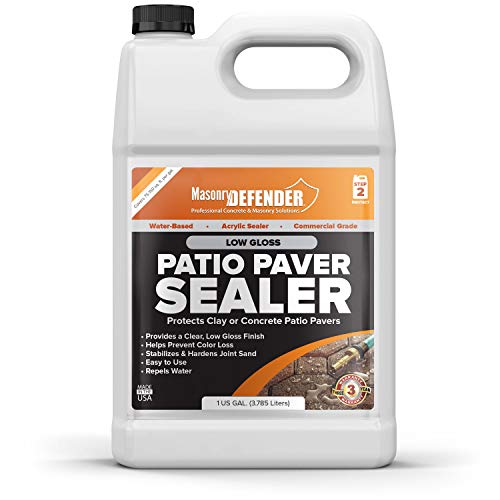
CLEAR WATERPROOF PROTECTION: Water based acrylic sealer dries clear with a low gloss finish, enhancing and protecting surfaces from fading. VOC-compliant and prevents color loss without yellowing.

PENETRATING STONE SEALER: All-purpose natural stone sealer that provides an impenetrable barrier from moisture and saltwater erosion. High-performance water-based penetrating sealer creates a strong, invisible barrier against water, spills, and moisture intrusion—helping prevent staining, cracking, pitting and long-term damage for both indoor and outdoor spaces.

PENETRATING STONE SEALER: All-purpose natural stone sealer that provides an impenetrable barrier from moisture and saltwater erosion. This deep penetrating grout sealant is ideal for both indoor and outdoor stone surfaces such as travertine patios, flagstone walkways, stone pavers sealer, limestone pool decks, and it’s ready to use. No mixing required!
Regular Maintenance Tips
To keep your travertine pavers looking their best and mold-free, incorporating regular maintenance into your routine is key. Here are some practical tips to help you maintain the cleanliness and integrity of your outdoor pavers:
- Sweep Frequently: Regularly sweeping your travertine pavers helps prevent the buildup of dirt, debris, and organic matter that can contribute to mold growth.
- Use a Mild Cleaner: Opt for a mild soap or specialized stone cleaner when washing your pavers. Harsh chemicals can damage the travertine’s surface and make it more susceptible to mold.
- Inspect for Damage: Periodically check your pavers for any signs of damage or wear that could create areas prone to mold growth. Addressing issues promptly can prevent further problems.
- Apply Sealer Annually: Consider applying a sealer annually to protect the travertine from moisture penetration, which can promote mold growth. Sealing also enhances the stone’s natural beauty.
Preventive Measures to Avoid Mold Growth
Taking preventive measures is essential in keeping mold at bay and preserving the appearance of your outdoor travertine pavers. Here are some proactive steps you can take:
- Improve Drainage: Ensure proper water drainage away from your paver area to prevent excess moisture accumulation, which creates an ideal environment for mold spores to thrive.
- Trim Nearby Foliage: Trim back trees, bushes, or plants near your pavers to reduce shading and limit organic debris falling onto the stones, minimizing potential food sources for mold.
- Promote Air Circulation: Allow sufficient airflow around your travertine pavers by avoiding overcrowding with furniture or other items. Good ventilation inhibits damp conditions that encourage mold development.
By incorporating these regular maintenance tips and preventive measures into your care routine, you can effectively combat mold growth on your outdoor travertine pavers while ensuring they remain in excellent condition for years to come.
Conclusion
You now have the knowledge and tools to combat mold on your outdoor travertine pavers effectively. By following the tips provided in this article, you can maintain a clean and safe outdoor space for yourself and your loved ones. Remember to prioritize safety by wearing protective gear while cleaning mold. Regular maintenance, including sweeping and using mild cleaners, will help prevent mold growth in the future. Implementing preventive measures like improving drainage and promoting air circulation can further enhance the longevity and appearance of your travertine pavers. With these strategies in place, you can enjoy a beautiful outdoor area free from mold worries.
Frequently Asked Questions
Q: Why does mold grow on outdoor travertine pavers?
A: Mold thrives on outdoor travertine pavers due to their porous nature, which traps moisture and provides a suitable environment for mold growth when combined with organic matter.
Q: What are the negative impacts of mold on outdoor travertine pavers?
A: Mold poses safety risks by making the surface slippery and can compromise the integrity of the pavers over time if left unaddressed.
Q: How can I effectively clean mold from outdoor travertine pavers?
A: Use environmentally friendly solutions like a 1:1 water and white vinegar mixture along with essential tools like rubber gloves and masks for safety.
Q: What maintenance tips can help prevent mold growth on travertine pavers?
A: Regularly sweep the pavers, use mild cleaners, inspect for damage, apply sealers annually, improve drainage, trim foliage, and promote air circulation.
