
Tired of that musty smell lingering in your home, despite your best efforts? Imagine breathing in fresh, clean air without worrying about hidden mold lurking in your air conditioner ducts. If you’ve been battling allergies or noticing reduced airflow, mold buildup could be the culprit.
Key Takeaways
- Mold in air conditioner ducts can develop due to moisture accumulation, creating health risks like respiratory issues.
- Essential tools for cleaning mold include a vacuum with HEPA filter, soft-bristled brush, microfiber cloths, and mold-specific cleaner.
- Protective gear such as N95 respirator mask, safety goggles, and rubber gloves are crucial when dealing with mold.
- Steps to clean mold from ducts involve inspecting, vacuuming, scrubbing, wiping down surfaces, and disinfecting the area.
- Prevent mold regrowth by changing air filters regularly, monitoring humidity levels below 60%, inspecting ductwork annually, sealing leaks and gaps, maintaining cleanliness around the AC unit, and ensuring proper ventilation.
- Controlling humidity is vital to prevent mold growth as it can lead to health concerns and property damage.
Understanding Mold in Air Conditioner Ducts
What Causes Mold in Ducts?
Mold in air conditioner ducts can develop due to various factors. When moisture accumulates in the ductwork, especially in warm and humid environments, it creates a perfect breeding ground for mold spores. These spores can enter the system through various means, such as open windows or doors, pets, or on clothing. Once inside the ducts, the spores settle and begin to grow when they find a suitable environment with moisture and organic matter like dust.
Health Risks Associated With Mold
Exposure to mold in air conditioner ducts can pose significant health risks. Mold releases spores and mycotoxins into the air that you breathe indoors. Inhaling these contaminants can lead to respiratory issues like coughing, sneezing, throat irritation, or worsen conditions like asthma and allergies. Prolonged exposure may even cause more severe health problems over time if left unaddressed.
By understanding what causes mold growth in your air conditioner ducts and recognizing the potential health risks associated with it, you can take proactive steps to address this issue effectively.
Essential Tools and Materials for Cleaning Mold
Recommended Products

3-PACK DUCT AID HVAC AIR DEODORIZER FOGGER: This bundle includes 3 cans of Duct Aid HVAC air deodorizer mold treatment fogger plus 3 scented O-ring wool pads for continued odor management. Designed for use through HVAC return vents or as a targeted fogger in problem areas, it supports fresh-smelling air in homes, offices, RVs, vehicles, and commercial spaces.
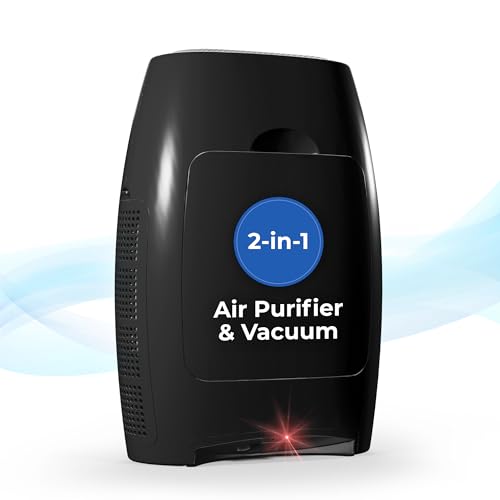
DUAL FILTRATION: true HEPA H-13 filters 99.7% of air pollutants as small as 0.3 micrometers (μm) in diameter. Activated Carbon filters trap odors in highly absorbent pores to keep your air fresh.
Basic Cleaning Supplies
When tackling mold in your air conditioner ducts, you’ll need a few basic cleaning supplies to get the job done effectively. Here’s what you’ll require:
- Vacuum Cleaner: A vacuum with a HEPA filter can help remove visible mold spores and debris from the ducts.
- Soft-Bristled Brush: Use a soft-bristled brush to gently scrub off mold growth without damaging the duct surfaces.
- Microfiber Cloths: These are handy for wiping down accessible parts of the ductwork after cleaning.
- Cleaning Solution: Opt for a mold-specific cleaner or create your own solution using water and mild detergent.
Protective Gear
Ensuring your safety during the cleaning process is crucial when dealing with mold. Here are some protective gear items you should have on hand:
- N95 Respirator Mask: This mask can help filter out mold spores that may become airborne during cleaning.
- Safety Goggles: Protect your eyes from potential splashes of cleaning solutions or dislodged debris.
- Rubber Gloves: Wear gloves to shield your skin from direct contact with mold and cleaning agents.
By having these essential tools and protective gear ready, you can confidently tackle mold in your air conditioner ducts while safeguarding your health.
Step-by-Step Guide to Clean Mold from Ducts
Preparing Your Workspace
To begin cleaning mold from your air conditioner ducts, it’s crucial to prepare your workspace properly. Here’s what you need to do:
- Turn Off the Air Conditioner: Ensure the unit is switched off before starting the cleaning process.
- Gather Necessary Tools: Collect the essential tools and materials required for this task, including a vacuum cleaner with a HEPA filter, a soft-bristled brush, microfiber cloths, and a mold-specific cleaner.
- Wear Protective Gear: Put on protective gear such as an N95 respirator mask, safety goggles, and rubber gloves to safeguard yourself during the cleaning.
Cleaning the Ducts
Now that you’re ready, let’s move on to cleaning the mold from your air conditioner ducts step by step:
- Inspect for Visible Mold: Check for any visible mold growth in the ducts or around vents.
- Vacuum Thoroughly: Use a vacuum cleaner with a HEPA filter to carefully vacuum out any dust or debris in the ductwork.
- Scrub with Brush: Gently scrub inside the ducts using a soft-bristled brush to dislodge mold particles.
- Wipe Down Surfaces: Use microfiber cloths dampened with a mold-specific cleaner to wipe down surfaces within reach.
- Replace Air Filters: Consider replacing air filters in your HVAC system to prevent further mold contamination.
Disinfecting the Area
After cleaning out the mold from your air conditioner ducts, it’s essential to disinfect the area properly:
- Use an Antimicrobial Cleaner: Apply an antimicrobial cleaner recommended for use on HVAC systems to sanitize and disinfect the ductwork thoroughly.
- Allow for Drying Time: Let all cleaned surfaces dry completely before turning on your air conditioner again.
- Schedule Regular Maintenance: To prevent future mold growth, schedule regular maintenance checks for your HVAC system and keep humidity levels under control.
By following these steps diligently and taking preventive measures, you can effectively clean mold from your air conditioner ducts and ensure healthier indoor air quality in your home.
Preventing Mold Regrowth in Air Conditioner Ducts
Regular Maintenance Tips
To prevent mold regrowth in your air conditioner ducts, it’s essential to follow a routine maintenance schedule. Here are some practical tips to help you maintain a mold-free environment:
- Change Air Filters Regularly: Make sure to replace your air filters according to the manufacturer’s recommendations. Clogged filters can trap moisture and become breeding grounds for mold.
- Monitor Humidity Levels: Keep an eye on indoor humidity levels and ensure they stay below 60%. You can use a hygrometer to measure humidity and use dehumidifiers if needed.
- Inspect Ductwork Annually: Schedule an annual inspection of your ductwork by a professional HVAC technician. They can identify any potential issues early on before they lead to mold growth.
- Seal Leaks and Gaps: Check for any leaks or gaps in your ductwork that could allow moisture to enter. Seal them properly to prevent condensation buildup that promotes mold growth.
- Clean Surrounding Areas: Keep the area around your air conditioner clean and free from debris or clutter that could obstruct airflow or contribute to moisture buildup.
- Ventilate Properly: Ensure proper ventilation in your home, especially in areas prone to high humidity like bathrooms and kitchens. Good airflow helps prevent excess moisture accumulation.
Importance of Humidity Control
Maintaining optimal humidity levels is crucial in preventing mold growth in your air conditioner ducts and throughout your home. Here’s why humidity control is so important:
- Mold Prevention: High humidity creates the perfect environment for mold spores to thrive, leading to mold infestations not only in ducts but also on walls, ceilings, and other surfaces.
- Health Concerns: Excess moisture can exacerbate respiratory problems and allergies, making indoor air quality poor and potentially causing health issues for you and your family.
- Property Damage: Mold growth due to high humidity can damage not only the structure of your home but also personal belongings such as furniture, clothing, and electronics.
By maintaining appropriate humidity levels through regular monitoring and using dehumidifiers when necessary, you can create an inhospitable environment for mold growth while promoting better indoor air quality overall.
Conclusion
You’ve learned how crucial it is to tackle mold in your air conditioner ducts for clean and healthy indoor air. By following the steps outlined, you can keep musty odors at bay and reduce the risk of mold-related health issues. Remember to stay proactive with regular maintenance, like changing filters and inspecting ductwork. Monitoring humidity levels and ensuring proper ventilation are key in preventing mold regrowth. With these simple tips, you can maintain a mold-free environment and enjoy fresh, breathable air in your home. Stay vigilant, prioritize cleanliness, and take control of your indoor air quality for a healthier living space.
Frequently Asked Questions
Why does my home have a musty smell, and how is it related to mold in air conditioner ducts?
Musty smells in homes are often caused by hidden mold growth in air conditioner ducts. Mold thrives in damp environments, and when present in ducts, it can spread throughout the house via the HVAC system, impacting indoor air quality.
What are the health risks associated with mold exposure from air conditioner ducts?
Exposure to mold spores from air conditioner ducts can trigger allergies, respiratory issues, and worsen asthma symptoms. Prolonged exposure may lead to more severe health problems for individuals with compromised immune systems.
How can I clean mold from my air conditioner ducts effectively?
To clean mold from air conditioner ducts, wear protective gear like gloves and a mask. Use a HEPA vacuum or hire professionals for thorough cleaning. Regular maintenance and keeping ductwork dry help prevent future mold growth.
What steps can I take to prevent mold regrowth in my air conditioner ducts?
Prevent mold regrowth by changing air filters regularly, monitoring humidity levels (aim for 30-50%), inspecting ductwork annually for leaks or damage, sealing any gaps or leaks promptly, and ensuring proper ventilation throughout the home.
Why is humidity control crucial for preventing mold growth in air conditioning systems?
Controlling humidity levels is vital because high moisture promotes mold growth. By maintaining optimal humidity levels between 30-50%, you create an environment that discourages mold proliferation while enhancing indoor air quality.
How do dehumidifiers help maintain optimal humidity levels and improve indoor air quality?
Dehumidifiers extract excess moisture from the air, reducing humidity levels to discourage mold growth. Using dehumidifiers when necessary helps maintain balanced indoor moisture levels essential for preventing mold formation and ensuring better breathing conditions at home.
