
Do you ever wonder about the cleanliness of your water reservoir? Picture this: after a long day, you pour yourself a glass of water, only to notice some sediment floating in it. How can you ensure that your drinking water is safe and clean? In this article, we’ll guide you through simple yet effective steps to clean your water reservoir effortlessly.
By following our practical tips, you’ll not only enhance the quality of your drinking water but also maintain a healthier environment for your family. From basic cleaning techniques to preventive measures, we’ve got you covered. Say goodbye to worries about contaminants or impurities in your water supply as we equip you with the knowledge needed to keep your water reservoir spotless and safe. Let’s dive into easy methods that will make a significant difference in ensuring clean and clear water for all your needs.
Key Takeaways
- Understanding potential contaminants in water reservoirs is crucial for ensuring safe drinking water.
- Signs of a contaminated water reservoir include unusual odors, discoloration, debris, and health symptoms.
- Essential tools for cleaning a water reservoir include scrubbing brush, sponge, gloves, mask, and appropriate cleaning agents.
- The step-by-step guide to cleaning a water reservoir involves preparation, scrubbing/sanitizing, rinsing/drying.
- Maintaining a clean water reservoir requires establishing a regular cleaning schedule, securing the lid, using safe water sources, avoiding harsh chemicals, inspecting regularly, and educating users.
Understanding Water Reservoir Contamination
Common Contaminants in Water Reservoirs
Water reservoir contamination can stem from various sources, including:
- Microorganisms: Bacteria, viruses, and parasites are common contaminants that can lead to waterborne diseases.
- Chemicals: Pesticides, fertilizers, and industrial chemicals may seep into reservoirs, posing health risks.
- Sediments: Soil erosion can introduce sediments into the water, affecting its clarity and quality.
- Heavy Metals: Lead, mercury, and arsenic are examples of heavy metals that can leach into reservoirs from natural deposits or human activities.
To ensure the safety of your water supply, it’s crucial to be aware of these potential contaminants.
Signs of a Contaminated Water Reservoir
Detecting contamination early is vital for preventing health issues related to water consumption. Look out for these signs indicating a contaminated water reservoir:
- Unusual Odors or Tastes: Foul smells or strange tastes in your drinking water could indicate the presence of contaminants.
- Discoloration: Cloudy or discolored water may suggest sediment buildup or other impurities.
- Presence of Debris: Visible particles or floating debris in the water signal possible contamination.
- Health Symptoms: If you experience unexplained illnesses after consuming water from the reservoir, it might be contaminated.
Regular monitoring and prompt action upon noticing any of these signs are essential to safeguard your health and maintain clean drinking water for you and your family.
Essential Tools and Supplies for Cleaning
Cleaning Agents and Their Uses
When it comes to cleaning your water reservoir, using the right cleaning agents is crucial. Here are some common cleaning agents and their specific uses:
- Bleach: An effective disinfectant that can kill various bacteria and viruses in your reservoir.
- Vinegar: Useful for removing mineral deposits and stubborn stains from the reservoir walls.
- Baking Soda: Great for neutralizing odors and gentle scrubbing without damaging the reservoir material.
Make sure to follow manufacturer guidelines or consult a professional to determine the appropriate cleaning agent for your specific type of water reservoir.
Equipment You Will Need
To clean your water reservoir effectively, you’ll need the following tools and supplies:
- Scrubbing Brush: Use a brush with soft bristles to scrub the inside walls of the reservoir gently.
- Sponge or Cloth: For wiping down surfaces after applying cleaning agents.
- Bucket: To mix cleaning solutions or rinse out the reservoir.
- Gloves: Protect your hands from chemicals while cleaning.
- Mask: Wear a mask if using strong chemicals to avoid inhaling fumes.
- Water Hose or Bucket: For rinsing out the reservoir after cleaning.
Having these essential tools at hand will make the process of cleaning your water reservoir much more manageable and ensure that you maintain a safe water supply for you and your family.
Step-by-Step Guide to Cleaning a Water Reservoir
Recommended Products

5 in 1 Cleaning Kit: made of safe and quality materials, it cleans your hydrated bladder, water storage tank or water bottle effectively; Contains 2 packs very soft and sturdy brush cleaning kit that cleans your equipment with regular dish soap thoroughly without causing damage
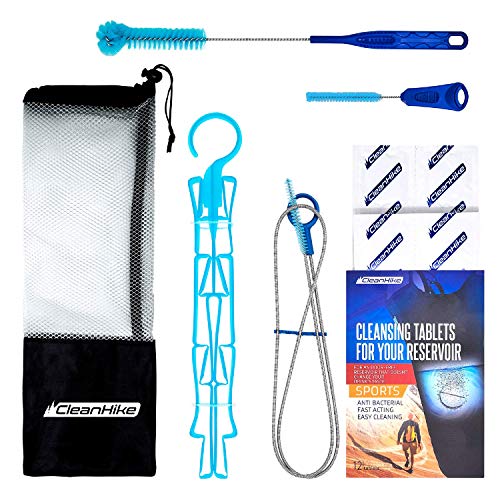
GET A COMPLETE CLEANING KIT FOR YOUR HYDRATION PACK BLADDER including 1 long, 1 small and 1 flexible cleaning brush, 1 collapsible frame for drying, 12 cleansing tabs and 1 carrying pouch in a great value set.

【6-in-1 Cleaning Kit for Water Bladder】This hydration bladder cleaning kit includes: 1 long-handle bladder brush, 1 small bite valve brush, 1 long tube brush, 1 collapsible drying frame, 1 carry bag, and 12 cleaning tablets. Suitable for all types of hydration backpacks
Preparation: Emptying the Reservoir
To begin cleaning your water reservoir, it’s crucial to empty it completely. Turn off the water supply and drain any remaining liquid. Ensure there is no water left in the reservoir before proceeding with the cleaning process. You can use a pump or simply let gravity do the work by opening the drainage valve.
Cleaning Process: Scrubbing and Sanitizing
Once the reservoir is empty, it’s time to scrub and sanitize it thoroughly. Use a mixture of warm water and a mild detergent to scrub the inside surfaces, including walls and corners, to remove any dirt or residue. For tougher stains or mold buildup, you can create a paste using baking soda and water for effective scrubbing.
After scrubbing, sanitize the reservoir by using a solution of bleach diluted in water (follow product instructions for proper dilution). Allow the sanitizing solution to sit for some time to ensure all bacteria and contaminants are effectively eliminated. Remember to wear protective gear such as gloves and masks when handling cleaning agents.
Finishing Up: Rinsing and Drying
Once you have scrubbed and sanitized the reservoir, rinse it thoroughly with clean water multiple times to remove any remaining detergent or sanitizing solution. Make sure no residue is left behind that could affect the quality of your drinking water.
After rinsing, allow the reservoir to air dry completely before refilling it with fresh water. Ensure proper ventilation during drying to prevent mold growth. Once dried, your reservoir will be clean, sanitized, and ready for use again.
Maintaining a Clean Water Reservoir
Regular Cleaning Schedule
To ensure your water reservoir stays clean and safe for use, it’s crucial to establish a regular cleaning routine. Aim to clean the reservoir at least every six months, or more frequently if you notice any signs of contamination. By sticking to a consistent schedule, you can prevent the buildup of harmful bacteria and maintain water quality.
- Secure Lid: Always keep the reservoir’s lid tightly closed when not in use to prevent debris, insects, or other contaminants from entering the water.
- Use Safe Water Sources: When refilling the reservoir, make sure you’re using clean and potable water from a reliable source to avoid introducing new contaminants.
- Avoid Chemicals: Refrain from using harsh chemicals or detergents during cleaning as they can leave residues that may contaminate the water.
- Inspect Regularly: Periodically inspect the reservoir for any signs of damage, mold growth, or unusual odors that could indicate contamination.
- Educate Users: If multiple people have access to the water reservoir, educate them on proper hygiene practices to minimize the risk of contamination.
By following these tips and maintaining a regular cleaning schedule, you can keep your water reservoir clean and ensure that your drinking water remains safe for consumption.
Conclusion
By establishing a regular cleaning schedule and following the steps outlined in this guide, you can ensure that your water reservoir remains free from contaminants and safe for consumption. Remember to inspect for damage, keep the lid closed, use safe water sources, avoid harsh chemicals, and educate users on proper hygiene practices. Maintaining a clean water reservoir is essential for providing healthy drinking water to you and your loved ones. Stay proactive in keeping your reservoir clean to prevent bacterial buildup and enjoy peace of mind knowing that your water is safe.
Frequently Asked Questions
Why is it important to clean a water reservoir regularly?
Regular cleaning of a water reservoir is crucial to prevent bacterial buildup, remove contaminants, and ensure safe drinking water for consumption.
What are the essential tools and supplies needed for cleaning a water reservoir?
Tools and supplies needed for cleaning a water reservoir include scrub brushes, mild detergent, bleach solution, clean cloths or sponges, and access to clean water for rinsing.
Can you provide a brief overview of the step-by-step process for cleaning a water reservoir?
The step-by-step process includes preparation, scrubbing with mild detergent, sanitizing with bleach solution, thorough rinsing, and ensuring complete drying of the reservoir.
How often should one establish a cleaning schedule for maintaining a water reservoir?
It is recommended to establish a regular cleaning schedule for maintaining a water reservoir at least every 6 months or more frequently based on usage and environmental conditions.
What precautions should be taken when inspecting the water reservoir for damage or contamination?
During inspections, check for cracks, leaks, mold growth, unusual odors or discoloration in the water. If any issues are found, take immediate action to address them.
What are some key tips to ensure the cleanliness and safety of a water reservoir?
Maintain proper hygiene practices among users, keep the lid closed when not in use, use safe water sources for refilling the reservoirs while avoiding harsh chemicals that can contaminate the water.
