
Ever wondered how to keep your trusty Platypus bladder clean and fresh for your next outdoor adventure? Picture this: you’re gearing up for a hike, only to find a funky smell coming from your hydration pack. Don’t fret! In this article, we’ll show you the simple steps to ensure your Platypus bladder stays pristine and odor-free.
By learning the proper cleaning techniques, you’ll not only extend the life of your hydration system but also guarantee a hygienic drinking experience every time. Say goodbye to musty odors and potential bacteria buildup with our easy-to-follow tips. You deserve gear that’s as ready for action as you are!
Ready to tackle the task of cleaning your Platypus bladder like a pro? Let’s dive in and discover how maintaining this essential piece of gear can make all the difference on your next outdoor escapade.
Key Takeaways
- Regular cleaning of your Platypus bladder is essential to prevent bacteria growth and maintain the quality of your drinking water.
- Gather necessary supplies like mild soap, cleaning brush kit, warm water, and a towel for effective cleaning.
- Follow safety measures such as checking compatibility of cleaning products, working in a well-ventilated area, and thorough rinsing to ensure safety while cleaning.
- The step-by-step guide includes an initial rinse, applying cleaning agents with gentle swishing, thorough rinsing with clean water, and air drying the bladder completely.
- Maintain your Platypus bladder by establishing a regular cleaning routine after each use, proper storage in a cool, dry place away from direct sunlight, and storing it with the cap off to prevent odors.
Understanding the Platypus Bladder
Anatomy and Function
The Platypus bladder is a vital component of your hydration system, designed to hold water for your outdoor activities. Its flexible nature allows it to fit into different backpacks easily. The bite valve at the end of the tube lets you drink water without using your hands, ensuring convenience during hikes or runs.
Why Regular Cleaning Is Essential
Cleaning your Platypus bladder regularly is crucial to prevent bacteria growth and maintain the quality of your drinking water. Neglecting cleaning can lead to foul odors and a potential health hazard due to bacterial contamination. By establishing a routine cleaning schedule, you ensure that each sip you take is fresh and safe.
By understanding the anatomy and function of the Platypus bladder, as well as why regular cleaning is essential, you’ll be better equipped to enjoy clean and hygienic hydration during all your outdoor adventures.
Preparing to Clean a Platypus Bladder
Recommended Products

Keep your hydration reservoir and drink tube fresh and clean with this easy-to-use 2 brush kit

The Drink Tube Kit replaces a damaged or old drink tube on the Platypus Hoser Reservoir

5 in 1 Cleaning Kit: made of safe and quality materials, it cleans your hydrated bladder, water storage tank or water bottle effectively; Contains 2 packs very soft and sturdy brush cleaning kit that cleans your equipment with regular dish soap thoroughly without causing damage
Gather Necessary Supplies
To start cleaning your Platypus bladder effectively, you’ll need a few essential supplies. Here’s what you should gather:
- Mild soap or cleaning tablets specifically designed for hydration systems.
- Cleaning brush kit with flexible and long brushes suitable for reaching all parts of the bladder.
- Warm water for rinsing.
- Towel or cloth for drying.
Safety Measures
Ensuring your safety while cleaning the Platypus bladder is crucial. Follow these safety measures to prevent any mishaps:
- Check Compatibility: Confirm that the cleaning products you use are safe for hydration systems to avoid damaging the bladder material.
- Proper Ventilation: Work in a well-ventilated area when using cleaning agents to avoid inhaling fumes.
- Thorough Rinse: After cleaning, make sure to rinse the bladder thoroughly with warm water to remove all traces of soap or cleaning solution.
By gathering the necessary supplies and observing safety measures, you’re ready to proceed with effectively cleaning your Platypus bladder, ensuring it remains hygienic and safe for your outdoor adventures.
Step-by-Step Guide to Cleaning a Platypus Bladder
Initial Rinse
Start by giving your Platypus bladder a thorough initial rinse with warm water. This step helps remove any large debris or residue from the bladder before you proceed with the cleaning process.
Applying Cleaning Agents
Next, it’s time to apply a gentle cleaning solution to ensure your Platypus bladder is free from bacteria and odors. You can use a mild soap specifically designed for cleaning hydration reservoirs. Mix the soap with warm water in the bladder and gently swish it around to reach all corners.
Rinse and Dry
After allowing the cleaning solution to sit for a few minutes, thoroughly rinse the bladder multiple times with clean water. Ensure there is no soap residue left inside. Once rinsed, hang the bladder upside down to air dry completely. Make sure it’s completely dry before storing it away to prevent mold growth.
Tips for Maintaining a Platypus Bladder
Recommended Products
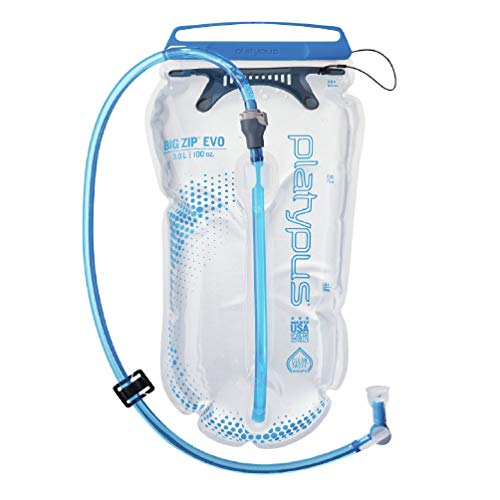
Premium taste-free, leak-proof reservoir with fast flow rate offers hydration on the go for hikers, backpackers, travelers and mountain bikers

Ultralight taste-free, minimalist reservoir with high flow rate for hydration on the go while backpacking, thru-hiking, and day hiking

Reservoir Bite Valve Cover protects silicone bite valves from collecting dirt, dust, and debris when setting your pack down
Regular Maintenance
To keep your Platypus bladder in top condition, it’s essential to establish a regular cleaning routine. After each use, rinse the bladder with warm water and allow it to air dry completely. Avoid leaving any liquids in the bladder when not in use to prevent mold or bacteria growth. By maintaining this simple habit, you ensure that your bladder stays clean and ready for your next adventure.
Storage Tips
Proper storage is key to prolonging the life of your Platypus bladder. When not in use, make sure the bladder is completely dry before storing it. Store it in a cool, dry place away from direct sunlight to prevent damage to the materials and potential bacterial growth. Additionally, store the bladder with its cap off to allow air circulation and prevent odors from developing. Following these storage tips will help extend the lifespan of your Platypus bladder and maintain its hygiene for future outings.
Conclusion
You’ve learned the essential steps to keep your Platypus bladder clean and ready for your next outdoor adventure. By following the tips outlined in this article, you can ensure that your hydration system remains hygienic, odor-free, and safe to use. Remember to establish a regular cleaning routine, store the bladder properly, and always let it dry completely before storing it away. These simple practices will help prevent mold or bacteria growth and extend the lifespan of your Platypus bladder. With proper care and maintenance, you can enjoy fresh and safe hydration every time you hit the trails or head out on a camping trip. Cheers to staying hydrated and healthy on all your outdoor escapades!
Frequently Asked Questions
What is a Platypus bladder and why is it important to clean it regularly?
A Platypus bladder is a hydration reservoir used for outdoor activities like hiking or cycling. Regular cleaning is crucial to prevent bacteria growth, foul odors, and health risks associated with contaminated water.
How do I clean my Platypus bladder effectively?
To clean your Platypus bladder, gather mild soap, cleaning brushes, warm water, and towels. Follow product compatibility guidelines, work in a well-ventilated area, scrub all parts thoroughly, rinse multiple times, and ensure the bladder is completely dry before storage.
Why should I maintain my Platypus bladder properly?
Proper maintenance ensures your Platypus bladder remains hygienic and safe for use during outdoor adventures. Regular cleaning routines and correct storage techniques help prevent mold or bacteria growth and extend the lifespan of the bladder.
