
Ever wondered why your RV’s grey water tank sensors always seem to give you false readings? Picture this: you’re on a road trip, and suddenly the sensor shows full when it should be empty. Frustrating, right? Don’t worry; we’ve got your back! In this article, we’ll show you the simple steps to clean your grey water tank sensors effectively.
Imagine being able to rely on your RV’s sensor readings without second-guessing their accuracy. By learning how to clean your grey water tank sensors, you’ll not only save yourself from unnecessary stress but also ensure a smoother and more pleasant camping experience. Stay tuned as we walk you through the practical tips and tricks to keep those sensors in top-notch condition.
Key Takeaways
- Grey water tank sensors are crucial for monitoring liquid waste levels in an RV’s wastewater system.
- Regularly cleaning grey water tank sensors is essential to prevent false readings and maintain accurate functionality.
- Proper maintenance of sensors contributes to a stress-free camping experience by providing reliable data on waste levels.
- Steps for cleaning grey water tank sensors include gathering supplies, accessing the sensors, and following a cleaning process using recommended solutions.
- Tips for maintaining sensor accuracy involve establishing regular maintenance routines, monitoring readings, using gentle cleaning solutions, inspecting connections, and avoiding common mistakes.
- Recommended products for cleaning sensors include white vinegar and specialized sensor cleaners, along with necessary tools like rubber gloves and clean cloths.
Understanding Grey Water Tank Sensors
What Are Grey Water Tank Sensors?
Grey water tank sensors are devices installed in your RV’s wastewater system to measure the level of liquid waste inside the tank. These sensors provide valuable information about when it’s time to empty the tank, preventing overflows and maintaining proper sanitation. Typically, there are multiple sensors placed at different heights in the tank to detect various levels of waste accumulation.
Why Clean Grey Water Tank Sensors?
Cleaning grey water tank sensors is crucial for ensuring their accurate functionality. Over time, these sensors can get coated with residue and debris from the wastewater, leading to false readings or sensor malfunctions. By regularly cleaning the sensors, you ensure that they can effectively detect the actual waste levels in the tank, allowing you to plan your maintenance schedule accurately and prevent any unexpected issues during your travels.
Remember, keeping your grey water tank sensors clean not only helps you avoid messy situations but also contributes to a smoother and stress-free camping experience. Properly maintained sensors give you peace of mind by providing reliable data on your wastewater levels, enabling you to manage your resources efficiently while on the road.
Cleaning Grey Water Tank Sensors: A Step-by-Step Guide
Recommended Products
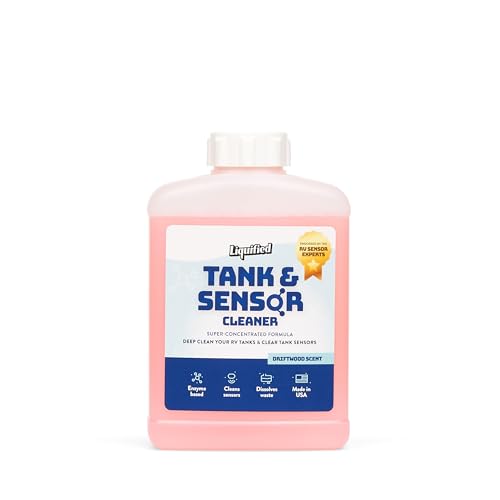
Super Concentrated Formula: Our RV tank sensor cleaner is designed with a potent formula that ensures maximum cleaning with minimal usage. Perfect for frequent RV users looking for efficient and effective cleaning solutions.

RV Grey Water Tank Treatment: Effectively cleans your RV's grey water system by removing tough grease buildup from tanks, sinks, and shower drain lines, helping to prevent clogs and maintain smooth water flow during your adventures.

MEASURE THE DOSE: Add 1 fl oz per 40 gallons of grey-tank capacity. Each 32-fl-oz bottle provides up to 32 standard treatments; hot weather, heavy use or strong odors may require 2–4 fl oz.
Gather the Necessary Supplies
To start cleaning your grey water tank sensors, you’ll need a few supplies. Here’s what you should gather:
- Rubber gloves to protect your hands.
- A screwdriver or wrench to access the sensors easily.
- White vinegar or a specialized sensor cleaner for effective cleaning.
- Clean cloth or paper towels for wiping and drying.
Accessing the Sensors
Accessing the sensors is crucial for proper cleaning. Follow these steps:
- Locate the access panel of your RV’s grey water tank sensors. It’s usually near the tank or inside a storage compartment.
- Use a screwdriver or wrench to remove the fasteners securing the access panel in place.
- Carefully open the panel to reveal the sensors inside.
Cleaning Process
Now that you have access to the sensors, here’s how you can clean them effectively:
- Put on your rubber gloves before starting.
- Gently wipe down each sensor with a clean cloth dampened with white vinegar or sensor cleaner.
- Ensure thorough cleaning by gently scrubbing any buildup or residue on the sensors.
- Use a dry cloth or paper towel to wipe off any remaining cleaner and moisture from the sensors.
- Once cleaned, securely close the access panel back in place.
Tips for Maintaining Grey Water Tank Sensors
Recommended Products

RV Grey Water Tank Treatment: Effectively cleans your RV's grey water system by removing tough grease buildup from tanks, sinks, and shower drain lines, helping to prevent clogs and maintain smooth water flow during your adventures

Restores sensor function: Deep cleans black tank sensors, cutting through stubborn buildup to help restore reliable sensor readings.

Easy to install, fits the 3/8″ diameter holes of existing probes
Regular Maintenance Routines
To ensure your RV’s grey water tank sensors function accurately, it’s essential to establish a regular maintenance routine. By incorporating these simple practices into your schedule, you can prevent false readings and potential sensor malfunctions.
- Monitor Sensor Readings: Make it a habit to regularly check the readings on your grey water tank sensors. This proactive approach allows you to identify any anomalies early on and take corrective action promptly.
- Use Recommended Cleaning Solutions: When cleaning the sensors, opt for gentle yet effective solutions like white vinegar or specialized sensor cleaners. These products help break down residue without damaging the sensors, ensuring optimal performance.
- Inspect Sensor Connections: Periodically inspect the connections leading to the sensors to ensure they are secure and free of debris. Loose connections or blockages can lead to inaccurate readings, so keeping them clean and tight is crucial.
- Avoid Harsh Chemicals: Refrain from using harsh chemicals or abrasive materials when cleaning the sensors as they can cause damage. Stick to mild cleansers that are safe for sensor components to maintain their longevity.
- Regular Flushes: Implement regular flushes of your grey water tank with clean water to prevent buildup inside the tank that could affect sensor accuracy. Flushing helps keep the tank clean and minimizes the chances of false readings.
Avoiding Common Mistakes
When maintaining your grey water tank sensors, it’s important to steer clear of common mistakes that could compromise their functionality and accuracy. By being mindful of these pitfalls, you can prolong the lifespan of your sensors and ensure they provide reliable data consistently.
- Skipping Regular Cleanings: Neglecting regular sensor cleanings can result in residue buildup over time, leading to false readings and diminished performance. Make sure to adhere to a consistent cleaning schedule based on manufacturer recommendations.
- Overlooking Sensor Calibration: Failure to calibrate your sensors periodically can cause inaccuracies in waste level measurements. Follow calibration guidelines provided by your RV’s manual or seek professional assistance if needed.
- Ignoring Warning Signs: Pay attention to any warning signs such as persistent incorrect readings or unusual sensor behavior. Addressing these issues promptly can help prevent more significant problems down the line.
4Using Improper Cleaning Techniques: Avoid using rough scrubbing pads or aggressive cleaning methods that could scratch or damage the sensor surfaces; instead, opt for soft cloths or brushes specifically designed for this purpose.
Product Recommendations for Cleaning Grey Water Tank Sensors
Recommended Products

CLEANS GREY TANKS - Full of LIVE bioactive enzymes, our tank treatment is a perfect solution for properly maintaining RV and camper gray tanks. Each bottle contains billions of digestive enzymes, which breaks down odor causing food waste, cooking grease and solids.

The first 2-in-1 tank cleaner specifically formulated for black/gray water and portable tanks
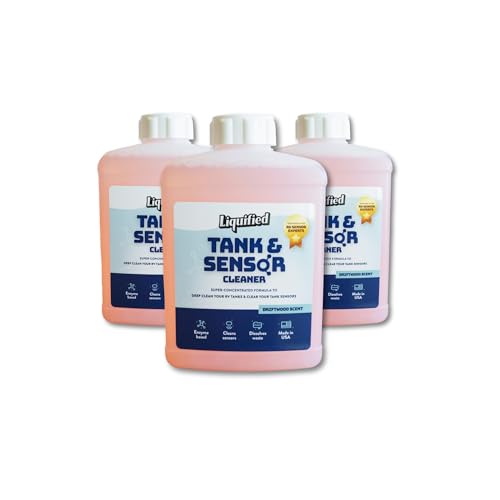
Super Concentrated Formula: Our RV tank sensor cleaner is designed with a potent formula that ensures maximum cleaning with minimal usage. Perfect for frequent RV users looking for efficient and effective cleaning solutions.
Best Cleaning Solutions
When it comes to cleaning your RV grey water tank sensors effectively, using the right cleaning solutions is crucial. Opt for gentle yet effective options that won’t damage the sensors but will remove any buildup or residue causing false readings. Here are some recommended cleaning solutions:
- White Vinegar: This natural and affordable solution works wonders in breaking down grime and deposits on sensors without being harsh.
- Specialized Sensor Cleaner: Consider investing in a specialized cleaner designed specifically for RV tank sensors. These cleaners are formulated to be sensor-friendly while ensuring thorough cleaning.
Useful Tools and Equipment
Having the appropriate tools and equipment can make the sensor cleaning process more efficient and hassle-free. Make sure you have the following items on hand before you start:
- Rubber Gloves: Protect your hands from any dirt or chemicals during the cleaning process.
- Clean Cloth or Paper Towels: Use these to wipe down the sensors after applying the cleaning solution.
By using these recommended products and having the necessary tools ready, you’ll be well-equipped to clean your grey water tank sensors effectively, ensuring accurate readings and smooth operation during your camping trips.
Conclusion
Ensuring your RV grey water tank sensors are clean is key to accurate readings and a stress-free camping experience. By understanding how these sensors work and following the steps outlined in this article, you can maintain proper waste level detection. Regular cleaning with recommended solutions like white vinegar or specialized sensor cleaners, along with routine maintenance checks, will help you avoid common issues and keep your sensors functioning efficiently. Remember to use the right tools, such as rubber gloves and clean cloths, for effective cleaning. With these tips in mind, you’re all set to enjoy worry-free camping trips knowing your grey water tank sensors are in top condition.
Frequently Asked Questions
How do RV grey water tank sensors work?
RV grey water tank sensors measure liquid waste levels inside the tank to provide readings for monitoring and maintenance purposes. They use probes that detect the presence of liquid at different levels, indicating the amount of waste accumulated.
Why are accurate sensor readings important for RV owners?
Accurate sensor readings help RV owners monitor waste levels effectively, plan maintenance tasks efficiently, and avoid potential malfunctions due to false readings. Reliable data from sensors ensures proper resource management on the road and enhances the overall camping experience.
How can I clean RV grey water tank sensors?
To clean RV grey water tank sensors effectively, you can use supplies like rubber gloves, white vinegar or specialized sensor cleaner, and a clean cloth or paper towels. Follow a step-by-step guide to access and clean the sensors properly for accurate readings during camping trips.
