
Do you ever notice your gas furnace not running efficiently? Picture this: despite adjusting the thermostat, your home still feels chilly. The culprit might be a dirty heat exchanger. But fret not! In this article, we’ll guide you through the simple yet vital process of cleaning your gas furnace’s heat exchanger.
Key Takeaways
- Regular cleaning of the heat exchanger in your gas furnace is essential for maintaining efficiency and preventing issues like inadequate heating, increased energy bills, and strange odors.
- Benefits of regular cleaning include enhanced efficiency, improved air quality, and extended lifespan of your gas furnace components.
- Safety gear such as safety goggles, gloves, and a dust mask/respirator are crucial when cleaning the heat exchanger to prevent injuries or exposure to harmful substances.
- Tools needed for cleaning include a soft-bristled brush, vacuum cleaner with hose attachment, and diluted mild detergent for effective dirt removal without damaging the heat exchanger.
- Proper preparation steps like turning off the gas supply, switching off power, allowing cooling time, and accessing the heat exchanger correctly are vital before starting the cleaning process.
- Knowing when to seek professional help for issues like rust/corrosion handling, damage detection on the heat exchanger, gas leaks suspicion, unusual noises/odors from the furnace can ensure safety and optimal performance of your heating system.
Importance of Cleaning the Heat Exchanger
Signs of a Dirty Heat Exchanger
A dirty heat exchanger in your gas furnace can manifest itself in various ways, impacting its efficiency and your home’s comfort. Here are some signs to watch out for:
- Inadequate Heating: You might notice that despite adjusting the thermostat, your home still feels chilly. This inefficiency could be due to a dirty heat exchanger hindering proper heat distribution.
- Increased Energy Bills: A buildup of dirt and debris on the heat exchanger forces the system to work harder to achieve the desired temperature, resulting in higher energy consumption and increased utility bills.
- Strange Odors: A musty or burning smell when your furnace is running could indicate a dirty heat exchanger. These odors are often caused by accumulated dust or debris burning off during operation.
Regular maintenance is key to preventing these issues and ensuring your gas furnace operates effectively.
Benefits of Regular Cleaning
Maintaining a clean heat exchanger offers several advantages that contribute to both the longevity of your furnace and the comfort of your home:
- Enhanced Efficiency: Cleaning the heat exchanger allows for better heat transfer, reducing strain on the system and improving overall efficiency. This results in consistent heating without overworking the furnace.
- Improved Air Quality: A clean heat exchanger prevents contaminants from circulating within your home, promoting better indoor air quality and reducing potential health risks associated with poor air circulation.
- Extended Lifespan: By keeping the heat exchanger clean, you reduce wear and tear on components, prolonging the lifespan of your gas furnace. Regular cleaning can prevent costly repairs or premature replacement.
By understanding these benefits and recognizing the signs of a dirty heat exchanger, you can take proactive steps to maintain your gas furnace’s performance and ensure a comfortable living environment.
Tools and Materials Needed
Recommended Products
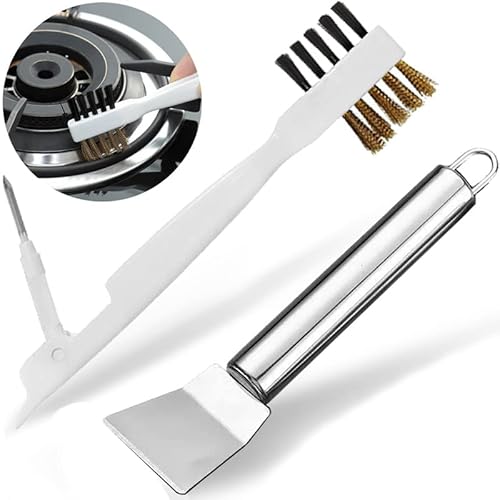
Golden brass wire bristles & Nylon stiff brush : Good scrubbing strength, can wipe away rust, oil stains and food burn marks on the stove. Stubborn stains can be cleaned.Nylon stiff brush made of high-quality nylon stiff bristles, not easy to flattening out and bending, long-lasting for daily use.Perfect for pots, pans, kitchen, sink, tile, and household cleaning. Help you remove grease and food particles.

Composition: It consists of 15Pcs 16.1Inch long rods, 1Pcs (4" +6")brush, 1Pcs hexagonal connecting rod. The maximum length can be extended to 20 FEET. These rods can be bent, which makes it clean the bent pipe. At the same time, it can connect more rods one by one to make it long enough for you to clean the dust farther away.

All-in-One Dryer Duct Cleaning Kit — No more running to the hardware store for missing parts. This complete vent cleaning kit includes a heavy-duty dryer vent cleaning brush for 4-inch pipes, a set of flexible nylon rods, a dedicated lint brush, a dryer vent cleaner drill attachment, and protective gloves—everything you need in one box, ready to use right away.
Essential Safety Gear
When cleaning the heat exchanger on your gas furnace, safety should be your top priority. Here are the essential safety gear items you’ll need:
- Safety goggles: Protect your eyes from debris or chemicals.
- Gloves: Shield your hands from sharp edges or hot surfaces.
- Dust mask or respirator: Prevent inhalation of dust and fumes.
Cleaning Tools and Agents
To effectively clean the heat exchanger on your gas furnace, gather the following tools and agents:
- Soft-bristled brush: Use this to gently remove dirt and debris without damaging the heat exchanger.
- Vacuum cleaner with a hose attachment: Ideal for sucking up loose particles.
- Diluted mild detergent: Mix in water for a gentle cleaning solution.
Remember, having these tools at hand ensures a safe and thorough cleaning process for your gas furnace’s heat exchanger.
Step-by-Step Guide on How to Clean Heat Exchanger on Gas Furnace
Preparing the Furnace
Before starting the cleaning process, it’s crucial to prepare your gas furnace adequately. Here’s how you can do it:
- Turn Off the Gas Supply: The first step is to ensure your safety by turning off the gas supply to the furnace. You can do this by locating the shut-off valve near the unit and turning it to the “off” position.
- Switch Off Power: Next, locate the power switch or circuit breaker that controls your furnace and turn it off. This step prevents any accidental activation of the unit during cleaning.
- Allow Cooling Time: Give your furnace some time to cool down before proceeding with the cleaning process. This will prevent any burns or injuries while handling the components.
Accessing the Heat Exchanger
Once you’ve prepared your furnace, you need to access the heat exchanger for cleaning. Follow these steps:
- Remove Panels: Start by removing the access panels on your furnace. These are usually located on either side of the unit and can be unscrewed easily with a screwdriver.
- Locate Heat Exchanger: Inside, you’ll find a series of metal tubes or coils – this is your heat exchanger. Take note of its location and how it fits into your furnace system.
- Inspect for Debris: Before cleaning, visually inspect the heat exchanger for any visible debris such as dust, dirt, or soot buildup that needs removal.
Actual Cleaning Process
Now that you’ve accessed the heat exchanger, let’s dive into how you can clean it effectively:
- Use Soft-Bristled Brush: Gently brush off any loose debris on the surface of the heat exchanger using a soft-bristled brush. Be cautious not to damage or bend any fins in this process.
- Vacuum Cleaner: Use a vacuum cleaner with a brush attachment to remove finer particles from within and around the heat exchanger coils.
- Diluted Mild Detergent Solution: Prepare a solution of mild detergent diluted in water and dampen a cloth with this mixture for wiping down stubborn dirt or grime on the heat exchanger surfaces.
- Rinse Thoroughly (If Required): If detergent is used, make sure to rinse off all traces thoroughly with clean water after wiping down to prevent residue buildup when heating up again.
By following these steps carefully, you can ensure that your gas furnace’s heat exchanger remains clean and efficient, promoting optimal performance and longevity for your heating system.
Troubleshooting Common Issues
Handling Rust and Corrosion
If you notice rust or corrosion on your gas furnace’s heat exchanger, it can affect its efficiency. To address this issue, you can gently remove the rust using a wire brush or sandpaper. Be cautious not to damage the heat exchanger while doing so. Once you’ve removed the rust, consider applying a high-temperature paint designed for metal surfaces to prevent further corrosion.
What to Do if Damage Is Noticed
In case you observe any significant damage to the heat exchanger of your gas furnace, it’s crucial to take immediate action. Damaged heat exchangers can be hazardous and may impact the performance of your furnace. If you identify cracks, holes, or other forms of extensive damage, it’s best to consult a professional HVAC technician for repair or replacement options promptly. Ignoring damaged heat exchangers can lead to safety risks and operational inefficiencies in your heating system.
Professional Maintenance and When to Hire
When it comes to maintaining your gas furnace, there are times when you may need the expertise of a professional HVAC technician. Here’s when it’s advisable to seek professional help:
- Annual Inspection: It’s recommended that you schedule an annual inspection with a certified HVAC technician. They can thoroughly inspect your heat exchanger for any signs of wear, corrosion, or damage that may not be easily visible to the untrained eye.
- Complex Repairs: If during your cleaning or inspection process you notice extensive rust, corrosion, cracks, or holes in the heat exchanger, it’s best to leave these complex repairs to professionals. They have the tools and knowledge to handle such issues safely and effectively.
- Gas Leaks: If you suspect a gas leak or smell gas around your furnace, do not attempt any maintenance yourself. Gas leaks are dangerous and should be addressed immediately by a qualified technician.
- Unusual Noises or Odors: Strange noises or odors coming from your furnace could indicate underlying issues that require professional attention. These could range from mechanical problems within the heat exchanger to issues with other components of the furnace.
- Inefficient Heating Performance: If you notice that your furnace is not heating your home as efficiently as before, there might be an issue with the heat exchanger affecting its performance. A professional can diagnose and fix this problem promptly.
Remember, regular maintenance is key to keeping your gas furnace running smoothly and efficiently. By knowing when it’s time to call in a professional for help, you can ensure the safety and longevity of your heating system.
Conclusion
Ensuring your gas furnace’s heat exchanger is clean and well-maintained is key to optimal performance and safety. By following the cleaning techniques outlined in this article, you can improve efficiency, air quality, and the lifespan of your heating system. Remember that for more complex issues like rust or corrosion, it’s best to consult a professional HVAC technician. Their expertise can help address any underlying problems effectively. Regular inspections and prompt repairs are vital for keeping your gas furnace running smoothly. Don’t hesitate to seek professional assistance for any unusual signs or concerns with your heating system. Stay proactive in caring for your furnace to enjoy efficient and reliable warmth throughout the seasons.
Frequently Asked Questions
Why is regular maintenance important for gas furnaces?
Regular maintenance is crucial for gas furnaces to enhance efficiency, air quality, and longevity. Cleaning the heat exchanger is essential to ensure optimal performance.
What are some cleaning techniques for gas furnace maintenance?
Use a soft brush or vacuum to clean the heat exchanger and remove any debris or soot buildup. Check and replace the air filters regularly to maintain proper airflow.
When should I seek professional HVAC technician assistance?
Seek professional help for annual inspections, complex repairs, gas leaks, unusual noises or odors, and inefficient heating performance. Timely intervention ensures safety and system effectiveness.
