
Ever wondered why your car’s fuel efficiency seems to be dropping? Picture this: you’re cruising down the highway, but there’s a hidden culprit in your fuel tank – rust. It’s a common issue that can sneak up on any vehicle owner. But fret not, as we’ve got you covered with simple yet effective solutions to tackle this problem head-on.
Key Takeaways
- Rust formation in fuel tanks is primarily caused by moisture, oxygen exposure, and impurities in the fuel.
- Rust negatively impacts fuel tank efficiency by contaminating the fuel, causing clogs, decreased performance, and potential engine damage.
- Chemical rust removers and mechanical tools like wire brushes are essential for effective rust removal from fuel tanks.
- Safety precautions such as working in a well-ventilated area and wearing protective gear are crucial when cleaning a fuel tank.
- Coating and sealing the fuel tank after cleaning can prevent future rust formation; regular maintenance like keeping the tank full and using additives is key to prolonging its lifespan.
Understanding Rust in Fuel Tanks
The Causes of Rust Formation
Rust formation in fuel tanks is primarily caused by moisture and oxygen exposure. When condensation forms inside the tank due to temperature changes or when water enters through a compromised seal, it creates a moist environment ideal for rust development. Oxygen present in the air reacts with the metal surface of the tank, accelerating the oxidation process that leads to rust formation. Additionally, impurities or contaminants in the fuel can also contribute to corrosion within the tank.
How Rust Affects Fuel Tank Efficiency
Rust negatively impacts fuel tank efficiency by contaminating the fuel with iron oxide particles. These particles can clog fuel filters, injectors, and other components of the vehicle’s fuel system, leading to decreased performance and potential engine damage. Rust buildup can also create rough surfaces inside the tank, causing friction that hinders smooth fuel flow and distribution. Moreover, rust weakens the structural integrity of the tank over time, increasing the risk of leaks and potentially dangerous situations.
By understanding these causes and effects of rust in fuel tanks, you can take proactive measures to prevent its formation and ensure optimal performance of your vehicle’s fuel system.
Tools and Materials Needed
Recommended Products
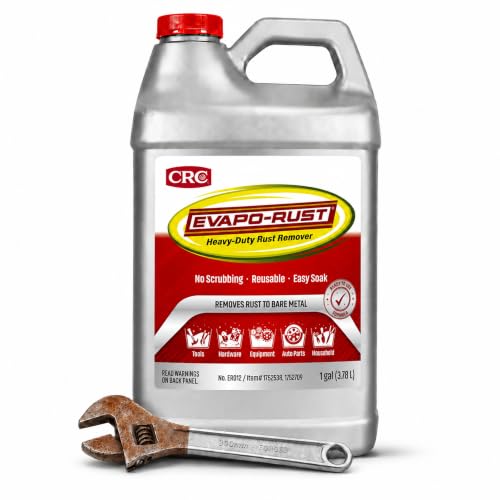
EVAPO-RUST RUST REMOVER:: Evapo-Rust is a non-corrosive rust remover dip for restoring rusty treasures. With Evapo-Rust you can remove rust to bare metal without sanding or scrubbing. Just soak, rinse, and reuse.

EVAPO-RUST RUST REMOVER: Evapo-Rust effortlessly removes rust from automotive parts, hardware, tools, cookware, and antiques without any scrubbing or sanding.

REVOLUTIONARY CLEANING POWER - Enzyme-based additive that cleans sludge and other fuel contaminants from gasoline and diesel tanks
Chemical Rust Removers
When tackling rust in your fuel tank, you’ll need to have chemical rust removers on hand. These solutions are specifically designed to dissolve and remove rust effectively. Popular products like Evapo-Rust or Metal Rescue can help break down the rust particles inside your fuel tank without causing harm to the metal surface.
Mechanical Tools for Rust Removal
In addition to chemical rust removers, having the right mechanical tools is crucial for thorough rust removal. Equip yourself with items such as wire brushes, sandpaper, or a rotary tool with abrasive attachments. These tools will aid in physically scrubbing off the remaining rust after using the chemical solution, ensuring a clean and smooth interior surface of your fuel tank.
Preparing to Clean Your Fuel Tank
Safety Precautions
When preparing to clean your fuel tank, safety should be your top priority. Follow these essential precautions:
- Work in a Well-Ventilated Area: Ensure you’re working in a space with proper ventilation to avoid inhaling fumes or chemicals released during the cleaning process.
- Wear Protective Gear: Put on gloves, goggles, and a mask to protect yourself from chemical exposure and debris while cleaning the fuel tank.
- Avoid Open Flames: Since you’ll be dealing with flammable substances, make sure there are no open flames or sources of ignition nearby.
- Disconnect the Battery: Before starting any work on your vehicle’s fuel system, disconnect the battery to prevent any electrical mishaps.
Removing the Fuel Tank
To effectively clean rust out of your fuel tank, you’ll need to remove it from your vehicle. Here’s how you can do it:
- Locate the Fuel Tank: Depending on your vehicle model, the fuel tank is usually located under the car near the rear axle or underneath the trunk floor.
- Drain the Fuel: Before removing the tank, ensure it’s empty by draining all remaining fuel into a suitable container.
- Disconnect Components: Disconnect any hoses, wires, or bolts connecting the fuel tank to your vehicle’s system carefully.
- Support and Lower Tank: Use a jack or support beam to secure the tank before loosening its straps and gently lowering it down.
- Clean Exterior Surfaces: Once removed, clean any exterior dirt or debris off the tank using a mild detergent solution and rinse thoroughly.
By following these steps and taking necessary safety precautions, you’ll be well-prepared to clean rust out of your fuel tank effectively and safely.
Step-by-Step Guide to Cleaning Rust
Recommended Products

PRACTICAL: Wire brushes are ideal for removing paint stains, rust, welding slag,solder,scale, Great for remove corrosion and more from parts, equipment, machinery and other surfaces. Also great for cleaning threads, grills or tile.

Wire Brushes Set: You will receive 6 pieces wire brushes, including 2 pieces brass brushes, 2 pieces stainless steel brushes and 2 pieces nylon brushes; small wire brushes for daily cleaning

Heavy-Duty Cleaning Brush - Remove rust and paint quickly with this wire welding brush set, wire brushes are ideal for removing paint stains, rust, welding slag, solder, scale. Great for remove corrosion and more from metal parts, equipment, machinery and other surfaces. Also great for cleaning threads, grills or tile
Mechanical Cleaning Techniques
To begin the rust removal process from your fuel tank, you’ll need to employ mechanical cleaning techniques. These methods involve physically scrubbing off the rust particles to ensure a thorough cleaning. Here’s how you can effectively use mechanical tools for this task:
- Wire Brushes: Start by using wire brushes to scrape off loose rust debris from the interior surface of the fuel tank. The abrasive nature of wire brushes helps in dislodging stubborn rust patches, preparing the surface for further cleaning.
- Sandpaper: After using wire brushes, sandpaper can be used to smoothen out any remaining rough spots inside the tank. Sandpaper aids in removing finer rust particles and assists in achieving a clean and even surface.
- Rinsing: Once you’ve scrubbed off most of the rust with wire brushes and sandpaper, rinse the fuel tank thoroughly with water to remove any loosened debris. This step helps in getting rid of residual rust remnants before proceeding with additional cleaning methods.
Chemical Cleaning Methods
In addition to mechanical techniques, chemical cleaning methods are highly effective in eliminating persistent rust from your fuel tank. These solutions work by dissolving rust buildup and facilitating its removal without causing damage to the metal surface. Follow these steps when utilizing chemical cleaners:
- Selecting a Chemical Rust Remover: Choose a reputable chemical rust remover such as Evapo-Rust or Metal Rescue that is specifically designed for breaking down and removing rust from metal surfaces like fuel tanks.
- Application Process: Apply the chosen chemical cleaner generously inside the fuel tank, ensuring complete coverage over all rusty areas. Allow it to sit for the recommended duration as per the product instructions to facilitate effective rust dissolution.
- Rinsing and Inspection: After allowing sufficient time for the chemical cleaner to work its magic, thoroughly rinse the interior of the fuel tank with water multiple times until all traces of both rust and cleaner are removed completely.
By combining mechanical cleaning techniques like wire brushing and sanding with chemical solutions tailored for removing rust, you can effectively clean your fuel tank and prevent future issues related to corrosion or clogs that may impact your vehicle’s performance negatively.
Aftercare and Preventing Future Rust
Recommended Products

COMPLETE 3-STEP SYSTEM — EVERYTHING INCLUDED: Kit contains a quart of KBS Klean heavy-duty degreaser, a quart of RustBlast rust remover & metal etch, 8 oz. of Gold Standard Tank Sealer, nitrile gloves, a stir stick, and step-by-step instructions — no extra purchases needed to get the job done right.

The KBS Large Cycle Tank Sealer Kit contains everything needed to seal a tank of up to 12 gallons. It is an All Inclusive Kit!

PERMANENTLY SEALS GAS TANKS UP TO 25 GALLONS: Complete 3-step kit cleans, preps, and permanently seals the inside of steel, aluminum, and fiberglass fuel tanks in one pour-coat-and-drain application.
Coating and Sealing the Fuel Tank
To protect your fuel tank from future rust formation, consider coating and sealing it after cleaning. Applying a specialized fuel tank liner like POR-15 or KBS Coatings can create a protective barrier that prevents moisture from causing rust. These products adhere to the metal surface, forming a durable shield against corrosion. By sealing the interior of the fuel tank, you add an extra layer of defense to maintain its integrity over time.
Regular Maintenance Tips
Maintaining a rust-free fuel tank requires regular care to prevent oxidation and prolong its lifespan. Here are some practical tips to help you avoid rust buildup in your vehicle’s fuel system:
- Keep Your Tank Full: Moisture can condense inside empty tanks, leading to rust formation. Keeping your tank filled reduces the air space available for condensation, minimizing the risk of corrosion.
- Use Fuel Additives: Consider using fuel additives designed to inhibit rust and corrosion within the tank. These products help neutralize any moisture present in the fuel system, preventing rust from developing.
- Inspect for Leaks: Regularly inspect your fuel tank for signs of leaks or damage that could expose it to moisture. Address any issues promptly to prevent rust from starting.
- Clean Regularly: Schedule periodic inspections and cleanings of your fuel tank according to manufacturer recommendations or if you suspect rust development. Removing debris and contaminants helps prevent corrosion.
- Protect Exterior Surfaces: In addition to internal maintenance, protect the exterior surfaces of your fuel tank by applying a suitable coating or paint that resists corrosion caused by environmental factors.
By following these maintenance tips and taking proactive measures such as coating your tank after cleaning, you can effectively prevent future rust formation in your vehicle’s fuel system.
Conclusion
You now have a comprehensive understanding of cleaning rust out of your fuel tank. By combining mechanical tools and chemical rust removers, you can effectively remove existing rust and prevent future corrosion issues. Remember to follow up with aftercare strategies like coating and sealing the tank to maintain a protective barrier against moisture. Implementing maintenance tips such as keeping the tank full, using fuel additives, inspecting for leaks regularly, scheduling cleanings, and protecting exterior surfaces will help ensure a rust-free fuel system in your vehicle. Stay proactive in preserving your fuel tank’s condition to enjoy optimal performance and longevity without the hindrance of rust-related problems.
Frequently Asked Questions
What are the risks of rust formation in car fuel tanks?
Rust in car fuel tanks can lead to leaks, decreased performance, and potential safety hazards due to fuel contamination.
How can I clean rust from my car’s fuel tank?
You can clean rust from your car’s fuel tank by using mechanical tools like wire brushes and sandpaper, followed by chemical rust removers for thorough cleaning.
Why is it important to combine mechanical and chemical cleaning methods for rust removal?
Combining mechanical and chemical cleaning methods ensures optimal rust removal and helps prevent future corrosion issues in the fuel tank.
What are some aftercare strategies for preventing rust in the fuel tank?
After cleaning the fuel tank, consider coating and sealing it with products like POR-15 or KBS Coatings to create a protective barrier against moisture and future rust formation.
