
Tired of battling stubborn lime stains in your toilet? Ever wondered how to get rid of those pesky mineral deposits for good? Picture this: you step into your bathroom, and despite your best efforts, that unsightly residue just won’t budge. Frustrating, isn’t it?
Key Takeaways
- Lime scale in toilets is caused by hard water, leaving mineral deposits that form stubborn stains.
- Identify lime scale by looking for white or grayish buildup around the bowl’s waterline or under the rim.
- Safety precautions like using rubber gloves, safety goggles, and ventilation masks are essential when cleaning lime stains.
- Recommended cleaning agents include white vinegar, lemon juice, baking soda, a toilet brush, and optionally a pumice stone for tough stains.
- Deep cleaning techniques involve using lemon juice overnight or a pumice stone for stubborn lime deposits.
- Prevent future lime buildup by establishing a regular cleaning schedule, using water softeners, flushing with hot water occasionally, avoiding harsh chemicals, and considering water softener systems or electronic descalers.
Understanding Lime Buildup
What Causes Lime Scale in Toilets?
Lime scale in toilets is primarily caused by hard water. When hard water evaporates, it leaves behind mineral deposits that accumulate over time, resulting in the formation of stubborn lime stains. These stains are not only unsightly but can also be challenging to remove.
Identifying Lime Scale in Your Toilet
To identify lime scale in your toilet, look for white or grayish buildup around the bowl’s waterline or under the rim. These deposits often feel rough to the touch and can become more visible over time if left untreated. If you notice these telltale signs, it’s likely that your toilet has a lime scale problem that needs addressing promptly.
Tools and Materials Needed
Recommended Products

Clean surfaces quickly and easily-porcelain, hard water stains, pool tiles, flush toilets, barbecue grills, steel and stone.

Equipped with extended grip handle to keep your hands away from dirty water and grimy messes during cleaning. The handle fits naturally in your palm to bring a steady, comfortable cleaning experience without uncomfortable bending or direct contact with stains.

Powerful Scrub Without Chemicals Effectively removes stubborn hard water stains, rust, and limescale from toilets, tubs, and tiles—no harsh chemicals needed. Made with natural pumice stone, it’s tough on grime but safe for glazed surfaces. No scratches, no residue, just a sparkling clean.
Safety Precautions and Equipment
When tackling lime stains in your toilet, it’s essential to ensure your safety first. You’ll need to gather some protective equipment before starting the cleaning process. Here’s what you should have:
- Rubber gloves: Protect your hands from direct contact with harsh cleaning agents.
- Safety goggles: Shield your eyes from splashes of cleaning solutions.
- Ventilation mask: Prevent inhalation of strong fumes during the cleaning.
Recommended Cleaning Agents and Tools
To effectively clean lime buildup in your toilet, you’ll require specific cleaning agents and tools. Here are the recommended items you should have on hand:
- White vinegar or lemon juice: These natural acids help break down lime deposits.
- Baking soda: Acts as a gentle abrasive to scrub away stubborn stains.
- Toilet brush: Essential for scrubbing the bowl thoroughly.
- Pumice stone (optional): Useful for removing tough mineral deposits without scratching the porcelain surface.
By having these safety precautions, along with the right cleaning agents and tools, you can efficiently tackle and remove unsightly lime stains from your toilet.
Step-by-Step Guide to Remove Lime
Recommended Products

2X CLEANING POWER ON LIME & CALCIUM**: Cuts through stubborn limescale, calcium, and hard-water buildup fast—ideal for deeper bathroom cleaning with less scrubbing.

Quickly eliminates rust, lime scale, uric acid deposits and offensive odors.

TACKLES TOUGH STAINS: One 22 oz spray bottle with a convenient trigger helps tackle calcium, lime, and rust deposits for families and homeowners targeting home, bathroom and kitchen cleaning
Initial Cleaning Steps
To start removing lime from your toilet effectively, you’ll need to gather the necessary tools and materials. Begin by putting on your rubber gloves, safety goggles, and a ventilation mask for protection. Next, grab white vinegar and baking soda from your cleaning supplies. These common household items are excellent for combating lime stains due to their acidic properties.
Once you have your protective gear on and materials at hand, pour white vinegar into the toilet bowl covering the areas affected by lime buildup. Let it sit for about 30 minutes to an hour; this allows the acidity of the vinegar to break down the mineral deposits. After letting it sit, scrub the inside of the toilet bowl using a toilet brush thoroughly.
Deep Cleaning Techniques for Stubborn Lime
For more stubborn lime stains that resist regular cleaning methods, you can employ deep cleaning techniques. Lemon juice is another natural acid that can help dissolve tough mineral deposits in toilets. Squeeze fresh lemon juice into the bowl directly on top of existing lime stains and let it sit overnight for optimal results.
If lemon juice alone doesn’t suffice, consider using a pumice stone as a last resort for extremely stubborn lime deposits. Wet the pumice stone with water and gently scrub at the affected areas in a circular motion. Be cautious not to apply too much pressure as pumice stones are abrasive and could scratch porcelain surfaces if used aggressively.
Preventing Future Lime Buildup
Recommended Products

💧【 PERFECTLY DESIGNED FOR 3-4 BATHROOMS 】The Aquasure Harmony Series is the professional grade water softener that delivers ultra-softened water to every outlet throughout your entire home.
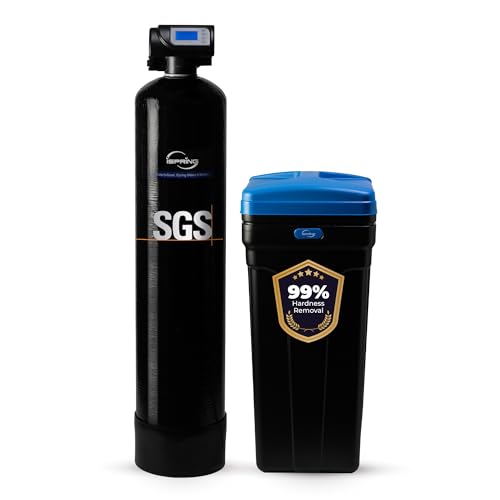
Enjoy Softened Water for the Whole House: The iSpring WCSTB45KG whole house water softener system offers a 45,000 grains high-capacity design, third-party tested to reduce 99.71% of water hardness by removing calcium and magnesium. From the point of entry, it supplies softened water for the whole house, ideal for households, schools, businesses, and light commercial use. Compatible with both city and well water, this whole house water softener system ensures clean, soft water everywhere

IntelliSoft Technology: The IntelliSoft system uses artificial intelligence to learn family water use and regenerate only when needed. It uses less salt and monitors water softener salt levels to cut waste and ensure efficient household use
Regular Maintenance Tips
To prevent future lime buildup in your toilet, consider incorporating these simple yet effective maintenance tips:
- Regular Cleaning Schedule: Establish a routine for cleaning your toilet to remove any early signs of lime buildup. It’s recommended to clean it at least once a week using vinegar or baking soda to keep lime deposits at bay.
- Use Water Softeners: Invest in water softeners for your home’s water supply. Softened water reduces the minerals present, which can help prevent lime scale from forming in the toilet bowl.
- Flush with Hot Water: Occasionally flush your toilet with hot water to help dissolve any mineral deposits that may be starting to accumulate.
- Avoid Harsh Chemicals: Refrain from using harsh chemical cleaners as they can exacerbate lime buildup over time. Opt for natural cleaning agents like vinegar and lemon juice instead.
Effective Water Softeners and Treatment Options
When it comes to combating lime buildup in your toilet, utilizing effective water softeners and treatment options can make a significant difference:
- Water Softener Systems: Consider installing a whole-house water softener system to treat all the water entering your home. These systems work by removing minerals like calcium and magnesium that contribute to lime scale formation.
- Magnetic Water Conditioners: Magnetic water conditioners are devices that use magnetic fields to alter the structure of minerals in the water, preventing them from sticking to surfaces and forming limescale.
- Electronic Descalers: Electronic descalers are another option for treating hard water. These devices emit electronic waves that disrupt the formation of scale, helping reduce lime buildup in toilets and other plumbing fixtures.
By implementing these preventive measures and exploring suitable treatment options, you can effectively combat and minimize future lime buildup in your toilet, ensuring a cleaner and more hygienic bathroom environment.
Conclusion
You now have the tools to tackle lime stains in your toilet effectively. By following the steps outlined in this guide, you can say goodbye to stubborn deposits and mineral buildup. Remember to incorporate preventive measures like regular cleaning schedules and the use of water softeners to maintain a sparkling clean bathroom. Explore different treatment options such as water softener systems and electronic descalers to combat lime scale efficiently. With these techniques at your disposal, you’ll enjoy a fresh, hygienic bathroom environment free from unsightly lime stains. Cheers to a cleaner toilet!
Frequently Asked Questions
How can I identify lime scale in my toilet?
Lime scale appears as white or off-white crusty deposits around the waterline and under the rim of the toilet bowl.
What are the consequences of leaving lime scale untreated?
Leaving lime scale untreated can lead to blockages, reduced water flow, staining, and a breeding ground for bacteria.
How do I remove lime from my toilet effectively?
You can remove lime from your toilet using white vinegar, baking soda, lemon juice for tougher stains, and a pumice stone for stubborn deposits.
What preventive measures can I take to avoid future lime buildup?
Establish a regular cleaning schedule, use water softeners, flush with hot water regularly, and avoid harsh chemical cleaners.
What treatment options are available to combat lime buildup effectively?
Consider utilizing water softener systems, magnetic water conditioners, and electronic descalers as effective treatment options.
