
Key Takeaways
- Understanding Grease Buildup: Grease on kitchen cupboard doors is caused by cooking methods, poor ventilation, and proximity to heat sources, leading to aesthetic and hygiene issues.
- Effective Cleaning Solutions: Utilize natural cleaners like vinegar, baking soda, and lemon juice, or commercial degreasers and all-purpose cleaners for efficient grease removal.
- Step-by-Step Cleaning Process: Clear your workspace, gather supplies, apply cleaning solutions, and carefully wipe down surfaces to ensure a thorough clean and prevent residue.
- Preventive Measures: Maintain cleanliness by daily wipe-downs, weekly deep cleaning, addressing spills immediately, and using protective coatings to minimize grease accumulation.
- Choosing the Right Materials: Use non-abrasive, microfiber cloths and cleaners designed for kitchen surfaces to avoid damaging your cupboard doors while effectively removing grease.
Ever looked at your kitchen cupboard doors and wondered how they got so greasy? It’s a common issue for anyone who loves to cook. Splashes and spills happen, but that doesn’t mean you have to live with the grime.
Understanding Grease Buildup
Grease buildup on kitchen cupboard doors poses a common issue for many cooking enthusiasts. This residue often arises from regular cooking activities, making it essential to grasp its causes and effects.
Common Causes of Grease Accumulation
- Cooking Methods: Frying and sautéing often lead to grease splatters. The higher temperatures cause oils to disperse into the air and settle onto nearby surfaces.
- Ventilation: Poor kitchen ventilation increases grease retention. Stagnant air can trap greasy particles, allowing them to coat cupboard doors over time.
- Proximity to Heat Sources: Cupboards located near stovetops or ovens accumulate grease more quickly due to heat rising and causing vaporization of cooking oils.
- Open Cooking: Cooking without lids allows steam and grease to escape. When you leave pots uncovered, it leads to more splatter and residue on surrounding surfaces.
- Food Particles: Scraps of food can contribute to grease buildup. When cooking or cleaning, leftover food can mix with grease, making it stickier and harder to remove.
Impact on Kitchen Aesthetics
- Dull Appearance: Grease makes cupboard doors look dull and dirty. This affects the overall ambiance of your kitchen, making it appear neglected.
- Unpleasant Odors: Accumulated grease can emit unpleasant smells. These odors negatively impact your kitchen environment, especially during cooking.
- Reduced Property Value: Visible grease buildup can deter potential buyers. An unkempt kitchen can give the impression of poor maintenance and can lead to decreased property appeal.
- Hygiene Concerns: Accumulated grease attracts dust and pests. This can pose hygiene issues, affecting your cooking space’s cleanliness.
- Increased Cleaning Time: Regular grease buildup means more frequent deep cleans. The longer the grease remains, the harder it becomes to clean.
Understanding these factors helps you recognize the importance of maintaining your kitchen cupboard doors, making cleaning a proactive task rather than a reactive one.
Effective Cleaning Methods
Cleaning grease off kitchen cupboard doors is manageable with the right techniques. Here are some methods to restore the freshness of your cabinets.
Recommended Products
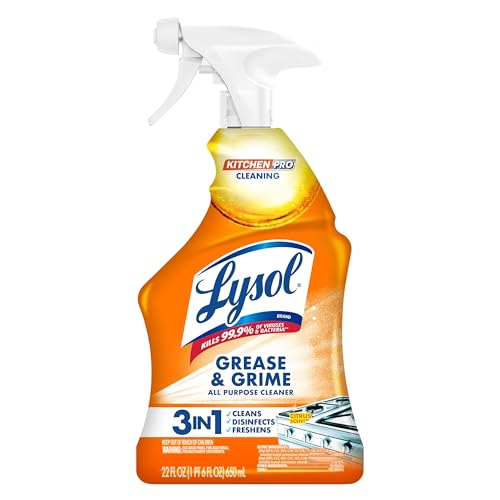
ELIMINATES 99.9% OF KITCHEN VIRUSES AND BACTERIA INCLUDNG SALMONELLA AND E.COLI: Lysol Pro Kitchen Cleaner is tested and proven to eliminate 99.9% of viruses and bacteria* (when used as directed). EPA Reg #777-91.

Complete Cleaning Kit for Effortless Cabinet Care - Everything you need for spotless cabinets in one easy set. This kitchen cabinet cleaner kit includes a precision cleaning brush, and an 8 oz bottle with a calibrated spray top for even coverage. The cabinet cleaner for wood offers a smooth application, while the long-lasting cabinet cleaner degreaser helps you keep your cabinets looking cared for day after day.

Prepares Surfaces for Painting Without Sanding Helps remove gloss and dull previously finished surfaces to improve paint adhesion. Ideal for preparing cabinets, trim, doors, and furniture before repainting.
Natural Cleaning Solutions
- Vinegar and Water: Mix equal parts vinegar and water in a spray bottle. Spray the solution on the greasy areas and wipe with a cloth. Vinegar cuts through grease effectively.
- Baking Soda Paste: Combine 1/2 cup of baking soda with a few tablespoons of water to create a paste. Apply the paste to the grease spots, let it sit for 10 minutes, then scrub with a sponge and rinse.
- Lemon Juice: Squeeze lemon juice onto a cloth or directly onto the grease. The acidity helps break down grease. Wipe the surface clean with a damp cloth afterward.
- Olive Oil: Rub a little olive oil on a soft cloth to help lift stubborn grease. This method also conditions wooden cupboards, leaving a nice sheen.
Commercial Cleaning Products
- Degreasers: Look for commercial degreasers specifically designed for kitchen use. Follow the manufacturer’s instructions for application and safety.
- All-Purpose Cleaners: Choose all-purpose cleaners with grease-fighting properties. Spray the product on the cupboards, let it sit for a minute, and wipe clean.
- Foam Cleaners: Foam cleaners cling to surfaces, allowing for deeper penetration into grease. Apply foam to affected areas, let it sit, then scrub off with a cloth or sponge.
- Wipes: Pre-moistened cleaning wipes offer a convenient option for quick cleanups. They’re easy to use and effective on grease spots. Simply wipe the surface and dispose of the used wipe.
Incorporating these methods into your cleaning routine keeps your kitchen cupboards looking new and reduces the time spent on maintenance.
Step-by-Step Cleaning Process
Follow these steps for a thorough cleaning of grease off your kitchen cupboard doors. It enhances aesthetics and maintains hygiene.
Preparing the Area
- Clear the Countertops: Remove clutter from countertops to create a workspace. This prevents items from getting grease on them during cleaning.
- Gather Supplies: Collect cleaning supplies, including a soft cloth, warm water, dish soap, white vinegar, baking soda, and optional commercial cleaners. Keeping everything in one place saves time.
- Protect Surrounding Areas: Lay down a towel or mat under the cupboard doors. This absorbs any drips while you clean.
Cleaning Techniques
- Mix Cleaning Solution: Combine equal parts of warm water and white vinegar in a spray bottle. For tough grease, mix baking soda with water to create a paste.
- Apply Solution: Spray the vinegar solution on the grease-stained areas. For sticky spots, spread the baking soda paste directly on the grease.
- Let it Sit: Allow the cleaning solution to sit for 5–10 minutes. This gives the solution time to break down the grease.
- Wipe Down Surfaces: Use a soft cloth or sponge to wipe the surfaces. Start from the top and work your way down, preventing dirt from falling onto already cleaned areas.
- Use a Toothbrush for Crevices: Dip a toothbrush in the solution and scrub any tough-to-reach spots like handles or detailed designs. This ensures no grease residue remains.
Rinsing and Drying
- Rinse with Clean Water: Dampen a clean cloth with warm water and wipe down the surfaces to remove any remaining cleaning solution. Ensure no residue is left behind.
- Dry Thoroughly: Use a dry, soft cloth to wipe the surfaces thoroughly. This prevents water spots and ensures a polished look.
- Inspect for Remaining Grease: Check for any lingering grease spots. If found, repeat the cleaning steps as necessary for a spotless finish.
Preventive Measures
Preventive measures can keep your kitchen cupboard doors looking clean longer. Implementing these strategies makes it easier to maintain a grease-free environment.
Regular Maintenance Tips
- Wipe down surfaces daily: Use a damp cloth to quickly remove splashes and spills. Doing this daily prevents buildup.
- Deep clean weekly: Dedicate time each week to thoroughly clean your cupboard doors. This habit keeps grease at bay.
- Check for spills immediately: Address spills as soon as they happen. Prompt action reduces the chances of permanent spots.
- Use protective coatings: Apply a sealant specific for wood or laminate materials to create a barrier against grease. This makes future cleaning easier.
Choosing the Right Materials
- Opt for microfiber cloths: These are gentle yet effective for cleaning without scratching surfaces.
- Select non-abrasive cleaners: Choose all-purpose cleaners designed for kitchen use. Look for those labeled as safe for wood or laminate.
- Invest in degreasers for tougher spots: Use these sparingly for areas with heavy grease buildup. They provide powerful cleaning without damaging your cupboards.
- Avoid harsh chemicals: Stay away from bleach and ammonia, as these can harm your cupboard finish. Use natural alternatives whenever possible.
Conclusion
Keeping your kitchen cupboard doors clean doesn’t have to be a chore. With the right cleaning methods and a little regular maintenance you can easily banish grease and keep your cabinets looking fresh.
By incorporating simple solutions like vinegar or baking soda into your routine you’ll not only enhance the appearance of your kitchen but also create a healthier cooking environment.
Remember to tackle spills as they happen and dedicate a bit of time each week to deep cleaning. Your kitchen will thank you with its sparkling cabinets and inviting atmosphere. So grab those cleaning supplies and get started on your journey to a grease-free kitchen!
Frequently Asked Questions
How do kitchen cupboard doors get greasy?
Kitchen cupboard doors often accumulate grease due to cooking methods like frying and sautéing, poor ventilation, proximity to heat sources, and food particles. These factors contribute to inevitable splashes and spills, leading to a greasy buildup over time.
What are the signs of greasy kitchen cupboard doors?
Signs of greasy kitchen cupboard doors include a dull appearance, unpleasant odors, sticky surfaces, and visible stains. Accumulated grease can also attract dust and dirt, making the kitchen look unkempt and affecting overall hygiene.
How can I effectively clean greasy cupboard doors?
You can effectively clean greasy cupboard doors using natural solutions like a vinegar and water mix, baking soda paste, and lemon juice. Commercial cleaners, such as degreasers or all-purpose cleaners, can also be used for stubborn grease.
What is the step-by-step process for cleaning cupboard doors?
Begin by clearing countertops and gathering cleaning supplies. Mix a vinegar solution and apply it to greasy areas, letting it sit. Use a toothbrush for tough spots, rinse with clean water, dry thoroughly, and inspect for any remaining grease.
How often should I clean my kitchen cupboard doors?
Aim to wipe down cupboard doors daily and perform a deep clean weekly. Regular maintenance prevents grease buildup, keeping your kitchen looking fresh and minimizing cleaning time in the long run.
What preventive measures can I take for cleaner cupboard doors?
To keep cupboard doors clean longer, immediately check for spills, wipe surfaces daily, deep clean weekly, and consider using protective coatings. Choosing appropriate materials for cleaning, like microfiber cloths, is also essential.
Are there specific cleaning products I should avoid?
Avoid harsh chemicals like bleach and ammonia, which can damage surfaces and may not effectively remove grease. Instead, opt for non-abrasive cleaners and natural solutions that are safer for your kitchen environment.
