
Key Takeaways
- Identify Causes of Odors: Common sources of kitchen cabinet smells include food spills, mold, old containers, poor ventilation, and chemical residues.
- Signs of Needed Cleaning: Persistent odors, visible dirt, mold spots, clutter, and insect activity indicate it’s time to clean your cabinets.
- Gather Cleaning Supplies: Essential items for cleaning include a natural cleaning solution, microfiber cloths, sponges, baking soda, and gloves.
- Effective Cleaning Methods: Utilize natural solutions like vinegar and baking soda, or consider commercial cleaners and odor eliminators for optimal results.
- Establish Maintenance Routines: Regularly clean cabinets, dust surfaces, and address stains immediately to maintain freshness.
- Prevent Future Odors: Use airtight containers, ensure good air circulation, regularly check expiration dates, and place baking soda or essential oils in cabinets for ongoing odor control.
Ever opened your kitchen cabinets only to be hit with an unpleasant smell? You’re not alone. Many people face this frustrating issue, and it can make your kitchen feel less inviting.
Understanding Kitchen Cabinet Odors
Kitchen cabinet odors can stem from various sources, disrupting the inviting feel of your kitchen. Identifying the causes and signs of these smells can lead to effective cleaning solutions.
Common Causes of Smells
- Food Spills: Spilled liquids or food particles often cling to the cabinet surfaces, causing odors if not cleaned promptly.
- Mold and Mildew: Moisture can accumulate in closed cabinets, creating an environment for mold to thrive. This results in musty odors.
- Old Containers: expired food items or forgotten ingredients in your cabinets can emit strong, unpleasant smells.
- Lack of Ventilation: Poor air circulation within cabinets promotes stale smells, especially in darker areas.
- Chemical Residue: Cleaning products or chemicals stored in cabinets can release odors that linger long after use.
Signs Your Cabinets Need Cleaning
- Persistent Odors: A strong, lingering smell indicates the need for immediate cleaning.
- Visible Dirt: Dust, grime, or sticky residues on surfaces suggest it’s time to clean.
- Mold Spots: Any signs of mold growth require prompt attention to prevent health risks.
- Cluttered Space: An accumulation of unused items often leads to smells. Regular decluttering can keep odors at bay.
- Insect Activity: Discovering pests or their droppings may mean food is present
Preparing for the Cleaning Process
Preparing for the cleaning process sets the stage for effective odor removal from your kitchen cabinets. Follow these steps to ensure a smooth and efficient cleanup.
Gathering Necessary Supplies
Gather essential supplies before starting. You’ll need:
- Cleaning solution: Use a mixture of warm water and mild dish soap or vinegar for a natural cleaner.
- Microfiber cloths: These cloths capture dirt better than regular cloths, reducing scratches.
- Sponges: A gentle sponge works well for scrubbing stubborn stains without damaging surfaces.
- Baking soda: This absorbs odors; sprinkle it inside the cabinets for extra freshness.
- Spray bottle: A spray bottle makes it easier to apply your cleaning solution evenly.
- Gloves: Protect your hands from cleaning solutions and grime.
Having these items ready simplifies the process and ensures you tackle odors effectively.
Safety Precautions
Implement safety precautions to protect yourself during the cleaning process. Consider these tips:
- Ventilation: Open windows or turn on exhaust fans to ensure fresh air circulates, preventing inhalation of strong cleaning fumes.
- Protective eyewear: Wear glasses if using harsh chemicals to shield your eyes from splashes or irritation.
- Check labels: Always read labels on cleaning products for safety guidelines, including usage and first aid instructions.
- Avoid mixing: Never mix cleaning products, especially those containing bleach and ammonia, as the combination creates harmful gases.
Taking these precautions safeguards your health while you clean.
Effective Cleaning Techniques
Cleaning smelly kitchen cabinets requires specific techniques to effectively eliminate odors. Below are two main methods you can use.
Recommended Products

Eliminate Odors in Kitchen, Bathroom, Nursery, Basement and more. Smoke, Pet odor eliminator for home Even Skunk Odor

40 YEARS OF FINISHING EXPERTISE – Created by second-generation kitchen specialists who understand the science of wood finishes. Our professional kitchen cabinet cleaner is specially designed as a safe wood cabinet cleaner that protects finishes while cleaning.
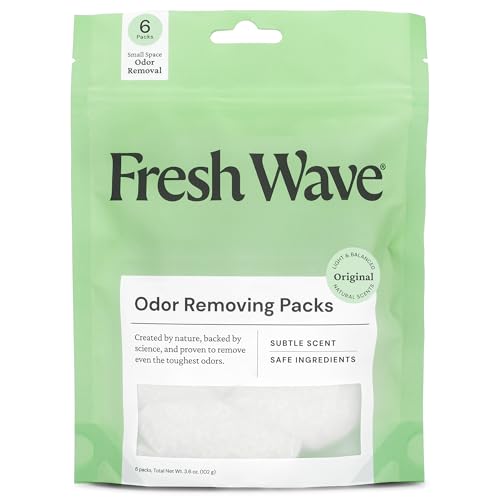
Convenient, effective sachets that naturally eliminate tough odors for 15-30 days, leaving spaces smelling clean and fresh.
Using Natural Cleaning Solutions
Natural cleaning solutions are safe and effective.
- Vinegar and Water Mixture: Combine equal parts of white vinegar and water in a spray bottle. Spray the solution on the cabinet surfaces, let it sit for a few minutes, then wipe with a microfiber cloth. This method neutralizes odors while disinfecting.
- Baking Soda Paste: Create a paste by mixing baking soda with water. Apply this paste to any stained areas or spots. Let it sit for 15 minutes, then scrub with a sponge. Baking soda absorbs odors and helps lift stains.
- Lemon Juice: Mix lemon juice with water. Spray or wipe this mixture on surfaces to leave a fresh scent while cutting through grease and grime.
Employing Commercial Cleaners
Commercial cleaners offer convenience and potency.
- All-Purpose Cleaners: Opt for all-purpose cleaners designed for kitchen use. Look for those with antibacterial properties for effective cleaning. Follow the label instructions for best results.
- Odor Eliminators: Use specialized odor-eliminating sprays. These products target and neutralize odors directly. Spray them inside the cabinets and allow air circulation for optimal effectiveness.
- Deodorizers: Consider placing deodorizers, such as activated charcoal bags, inside the cabinets. They absorb lingering smells over time, maintaining freshness.
By using these effective cleaning techniques, you can tackle unpleasant kitchen cabinet odors and create a more inviting space.
Maintaining Freshness After Cleaning
Keeping kitchen cabinets smelling fresh requires ongoing attention. Implementing regular maintenance routines and preventative measures helps preserve the cleanliness achieved after a thorough clean.
Regular Cleaning Routines
Establishing a routine for cleaning your kitchen cabinets enhances their longevity and freshness. Clean your cabinets every few weeks using a mild soap and water solution, ensuring you wipe away any spills or stains promptly. Additionally, consider these steps:
- Dusting: Use a microfiber cloth to dust surfaces, removing crumbs and debris that can cause odors.
- Spot Cleaning: Address any visible stains immediately, preventing them from becoming a source of lingering smells.
- Wipe Down Handles: Regularly clean handles and knobs, as they often accumulate grease and grime.
Tips to Prevent Future Odors
Prevention is key to maintaining a fresh kitchen environment. Utilize these tips to keep your cabinets odor-free:
- Air Circulation: Ensure proper ventilation in your kitchen by opening windows or using exhaust fans during cooking to reduce moisture buildup.
- Use Airtight Containers: Store food items in airtight containers to prevent spills and contamination, which can lead to unpleasant smells.
- Baking Soda: Place an open box of baking soda inside your cabinets to absorb odors naturally. Replace it every three months for best results.
- Regularly Check Expiry Dates: Routinely assess your pantry and dispose of expired items promptly to prevent odors from old food.
- Essential Oils: Consider using a few drops of essential oils on cotton balls placed in cabinets for a pleasant scent. Refresh the cotton balls as needed.
Incorporating these practices into your routine ensures your kitchen cabinets maintain a fresh and inviting atmosphere, enhancing your overall cooking and dining experience.
Conclusion
Keeping your kitchen cabinets smelling fresh doesn’t have to be a daunting task. With a little effort and the right techniques you can easily eliminate those pesky odors and create a more inviting space. Remember to stay on top of regular cleaning and maintenance to prevent odors from building up again.
Incorporating simple habits like using airtight containers and ensuring good air circulation can make a world of difference. Don’t forget to check for expired items and freshen things up with a touch of essential oils. You’ll not only enjoy a cleaner kitchen but also a more pleasant cooking and dining experience. Happy cleaning!
Frequently Asked Questions
What causes unpleasant odors in kitchen cabinets?
Kitchen cabinet odors can arise from various sources, including food spills, mold and mildew, old containers, lack of ventilation, and chemical residue. Identifying the origin of these smells helps in selecting the right cleaning method.
How can I identify if my kitchen cabinets have odor issues?
Signs of odor problems include persistent smells, visible dirt or mold spots, cluttered spaces, spills, and evidence of insect activity. Recognizing these indicators is essential for effective cleaning.
What supplies do I need to clean kitchen cabinets?
To clean kitchen cabinets, gather essential supplies such as a cleaning solution (warm water with mild dish soap or vinegar), microfiber cloths, sponges, baking soda, a spray bottle, and gloves.
What are effective cleaning methods for eliminating odors?
Two effective methods include using natural cleaning solutions like vinegar, baking soda, and lemon juice, or opting for commercial cleaners with antibacterial properties and specialized odor eliminators to neutralize smells.
How can I maintain the freshness of my kitchen cabinets?
To keep kitchen cabinets fresh, establish a cleaning routine every few weeks, promptly address spills and stains, dust surfaces, and regularly clean handles and knobs to prevent odor buildup.
What preventative measures can I take to avoid odors in my cabinets?
Prevent odors by ensuring good air circulation, using airtight containers for food storage, placing an open box of baking soda inside, checking expiry dates, and using essential oils for a pleasant scent in your cabinets.
