
Key Takeaways
- Health and Food Safety: Regular kitchen cleaning prevents foodborne illnesses by eliminating harmful bacteria and pathogens, ensuring a safe cooking environment.
- Clutter Reduction: An organized kitchen improves functionality, making it easier to access tools and ingredients, which enhances meal preparation efficiency.
- Enhanced Mental Clarity: A clean kitchen reduces stress and fosters creativity, encouraging a more enjoyable cooking experience and promoting overall well-being.
- Improved Kitchen Efficiency: Keeping a tidy kitchen streamlines cooking processes, saving time and reducing frustration during meal preparation.
- Extended Lifespan of Appliances: Regularly cleaning kitchen appliances prevents buildup, ensuring they function optimally and last longer while enhancing the quality of cooking.
- Psychological Benefits: A clean kitchen contributes to mood elevation and productivity, making cooking a more satisfying and less stressful activity.
Have you ever walked into your kitchen and felt overwhelmed by clutter and grime? It’s a common scenario that can turn cooking into a chore rather than a joy. A clean kitchen isn’t just about aesthetics; it’s essential for your health and well-being.
Importance of Kitchen Cleaning
Maintaining a clean kitchen enhances both your cooking experience and overall health. A neat kitchen creates an inviting space, making meal preparation enjoyable instead of burdensome.
Promotes Food Safety
Cleaning your kitchen regularly prevents foodborne illnesses. Bacteria thrive in dirty areas. For instance, countertops can harbor harmful pathogens. Regularly sanitize surfaces, especially after handling raw meat or eggs.
Reduces Clutter
Removing clutter improves functionality. Store away items you rarely use. Use containers for organizing spices and utensils. A tidy kitchen allows easier access to essential tools, speeding up meal prep.
Enhances Mental Clarity
A clean kitchen contributes to better focus. When your surroundings are organized, you feel less stressed. The sight of a clean space encourages creativity, making it easier to try new recipes.
Improves Efficiency
An organized kitchen increases your efficiency. When everything has a designated spot, you save time searching for items. This streamlined process results in quicker meal preparation and less frustration.
Maintains Kitchen Appliances
Cleaning frequently extends the life of your appliances. Wipe down surfaces to prevent buildup and corrosion. Regular maintenance avoids costly repairs or replacements in the long run.
Incorporating these cleaning habits not only transforms your kitchen but also enhances your culinary journey. Implementing these practices helps create a healthier, more enjoyable cooking environment.
Health Benefits of a Clean Kitchen
A clean kitchen significantly enhances health and safety. Regular cleaning practices not only protect your food but also create a more pleasant cooking environment.
Preventing Foodborne Illnesses
Cleaning surfaces and utensils reduces the risk of foodborne illnesses. Bacteria such as E. coli and Salmonella thrive in dirty areas. Wipe down counters with disinfectant after food preparation, especially when handling raw meat or eggs. Additionally, wash cutting boards and knives with hot, soapy water after each use. For extra safety, consider using separate cutting boards for fruits and vegetables versus meats.
Reducing Allergens and Contaminants
A tidy kitchen minimizes the presence of allergens and contaminants. Dust, mold, and pet dander can accumulate in kitchens, triggering allergies. Regularly clean your kitchen by sweeping and mopping floors to remove dust particles. Use a vacuum with a HEPA filter to capture microscopic allergens. Keep food stored in airtight containers to prevent pests and contaminants from entering. Additionally, ensure proper ventilation to reduce moisture and mold growth.
Enhancing Kitchen Efficiency
Cleaning the kitchen boosts overall efficiency, making cooking simpler and more enjoyable.
Recommended Products

ORGANIZED PANTRY BY CLEAR LABELS: Using uniform clear labels to identify and declutter every item of your pantry is not only a simple categorization to get a quick pick of what you want but also an aesthetically present of massive categories you have.

PRODUCT SIZE: 10.5inch high and 6.5inch wide, our air tight pantry is suit for tea, honey, coffee beans,Spice,Cereal,Egg,Flour.
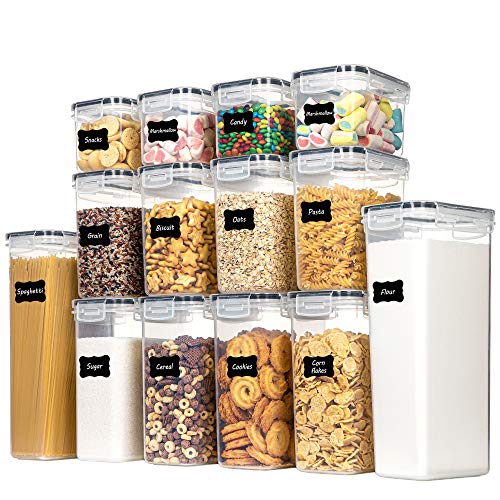
Perfect Combination of Variety Sizes — Our 14 pcs airtight food containers come in 4 sizes for all your storage needs, 2 Tall Container (2.5QT/2.8L), 4 Large Container (1.8QT/2.0L), 4 Medium Containers (1.5QT/1.6L), 4 Small Container(0.7QT/0.8L). Perfect for storing spaghetti, cereal, flour, sugar,pasta, nuts, rice, grain, beans, snacks and other dry food.
Organized Spaces for Better Workflow
Organized spaces facilitate a smoother workflow. When you arrange countertops and cabinets purposefully, you create an environment where everything is within reach. Use labeled containers for ingredients, utensils, and small appliances. For instance, placing commonly used items like cutting boards and knives in a designated drawer saves time and reduces frustration during meal prep. Consider using drawer dividers to keep utensils sorted and in specific categories.
Regularly declutter your countertops. Remove unnecessary gadgets or items that occupy valuable space. This creates a tidy area, allowing you to focus on cooking rather than searching for tools. Maintain a system for cleaning up during meal preparation. Quickly putting away items as you use them minimizes mess and keeps your workspace clear.
Easier Meal Preparation
A clean kitchen streamlines meal preparation. With a clear workspace, meal planning becomes straightforward. Start by ensuring all surfaces are sanitized and free from distractions. This minimizes the chances of cross-contamination and promotes food safety. When you prepare ingredients, keep them organized, grouping similar items together. For example, store all spices in one place for quick access when cooking.
Adopt a meal prep routine. Clean and chop vegetables in advance, storing them in separate containers. This technique not only saves time but also encourages healthy eating by making ingredients readily available. Use a checklist to track essential items. Knowing what you have on hand prevents last-minute grocery runs and simplifies decision-making.
Incorporate these cleaning habits into your routine. A clean, organized kitchen enhances your efficiency and makes cooking an enjoyable experience.
Maintaining Kitchen Equipment
Keeping your kitchen clean significantly impacts your equipment’s performance and longevity. Regular maintenance prevents wear and tear, ensuring your tools operate optimally.
Extending Lifespan of Appliances
Cleaning appliances regularly helps extend their lifespan. Residue buildup affects functionality and efficiency. For instance, grease and grime on stovetops can lead to overheating, while dirty dishwashers may not clean properly.
- Wipe down surfaces: Clean the exterior and interior of appliances after every use.
- Inspect seals and filters: Check for damage or debris and replace when necessary.
- Descale regularly: Remove mineral buildup from coffee makers and kettles to maintain performance.
Taking these steps reduces the risk of costly repairs and replacements, ensuring your appliances last longer.
Improving Cooking Quality
Clean equipment enhances the quality of your cooking. When tools are dirty, they can affect the taste and safety of your food. For example, a dirty grill may impart unwanted flavors to your meals.
- Use fresh utensils: Clean or change utensils after handling raw ingredients, especially meat.
- Sanitize cutting boards: Use hot soapy water or a vinegar solution to prevent cross-contamination.
- Organize pots and pans: Store them properly to avoid scratches that may impact cooking performance.
A clean and well-maintained kitchen not only improves your cooking experience but also elevates the flavors of your dishes.
Psychological Effects of a Clean Kitchen
A clean kitchen offers significant psychological benefits that enhance your overall well-being. Maintaining cleanliness in this vital space reduces stress and boosts your mood, making cooking and meal preparation far more enjoyable.
Stress Reduction
A cluttered kitchen often leads to feelings of anxiety and overwhelm. Tidying up counters and organizing your space can create a sense of control. When you remove distractions, you focus better on cooking and enjoy the process. For example, spending just 10 minutes each day doing quick cleanups can significantly lower stress levels. By establishing a daily cleaning routine, you’ll keep chaos at bay and cultivate a calm cooking environment.
Boosting Mood and Productivity
Walking into a clean kitchen can elevate your mood and motivate you to cook. A tidy space triggers positive feelings, fostering creativity and inspiration for new recipes. Organized kitchen tools and ingredients reduce frustration and make meal prep smoother. To enhance productivity, consider implementing storage solutions like labeled containers for easy access. By maintaining cleanliness, you’ll not only improve your cooking experience but also encourage healthier eating habits.
Conclusion
Cleaning your kitchen is more than just a chore; it’s a vital part of creating a space where you can thrive. A tidy kitchen not only looks great but also promotes health and safety while cooking. You’ll find that maintaining cleanliness enhances your efficiency and makes meal prep a breeze.
When your kitchen is organized and clean, it sparks creativity and encourages you to try new recipes. Plus, the mental clarity that comes from a neat environment can significantly boost your mood and reduce stress. Embracing regular cleaning habits transforms your kitchen into a welcoming haven, making cooking a joy rather than a hassle. So roll up your sleeves and enjoy the benefits of a clean kitchen—it’s worth it!
Frequently Asked Questions
Why is it important to keep the kitchen clean?
Maintaining a clean kitchen is crucial for both health and well-being. It prevents foodborne illnesses by ensuring that surfaces and utensils are sanitized, especially after handling raw ingredients. A tidy kitchen also enhances functionality and efficiency, making cooking easier and more enjoyable.
How can a clean kitchen improve cooking efficiency?
A clean kitchen streamlines meal preparation by reducing clutter and fostering organization. Utilizing labeled containers and designated storage for commonly used items saves time and minimizes frustration, allowing for a more enjoyable cooking experience.
What are the health benefits of a clean kitchen?
A clean kitchen reduces allergens and contaminants, promoting a healthier cooking environment. Regular cleaning practices help prevent the buildup of germs that can lead to foodborne illnesses, ensuring food safety and protecting overall health.
How does kitchen cleanliness affect mental well-being?
A clean kitchen can significantly reduce stress and increase mood. It creates a sense of control and focus, making meal preparation more enjoyable and encouraging creativity when trying out new recipes. Regular cleaning routines can further enhance this effect.
What maintenance tips can improve kitchen appliances’ longevity?
To extend the lifespan of kitchen appliances, regularly wipe down surfaces, inspect seals and filters, and descale machines as needed. Proper maintenance prevents residue buildup that can hinder performance and lead to costly repairs.
How can I declutter my kitchen effectively?
Start by regularly decluttering countertops and identifying items you rarely use. Organize similar tools and ingredients together, utilizing storage solutions like labeled containers. This practice will improve workflow and efficiency in your kitchen.
What routine can I establish for cleaning my kitchen?
Establish a daily cleaning routine that includes wiping down surfaces after cooking, sweeping or mopping the floor, and sanitizing utensils. Incorporating a regular decluttering session can help maintain a tidy environment, making cooking a pleasure.
How does a clean kitchen encourage healthy eating?
A clean kitchen helps streamline meal prep and encourages cooking at home rather than opting for takeout. With organized spaces and fresh tools, it becomes easier to experiment with healthy recipes, fostering better eating habits.
