
Have you ever wondered how often you should change your Dyson vacuum filter? You’re not alone. Many people overlook this simple yet crucial maintenance step, thinking it’s not that important. But a clean filter can make a big difference in your vacuum’s performance and your home’s air quality.
Key Takeaways
- Regularly changing the Dyson vacuum filter is essential for optimal performance and improved indoor air quality, especially for allergy sufferers.
- Check the vacuum filter every one to three months based on usage frequency; higher traffic areas or homes with pets may require monthly inspections.
- Dyson recommends washing the filter monthly and replacing it annually, though specific guidelines may vary by vacuum model.
- Watch for signs that indicate a filter change is necessary, including decreased suction power and visible dirt accumulation on the filter.
- Always unplug the vacuum before changing the filter and ensure that the filter is completely dry before reinserting it to maintain functionality.
Importance Of Changing Dyson Vacuum Filter
Changing your Dyson vacuum filter regularly is crucial for maintaining optimal performance. A clean filter traps dust, allergens, and pet dander effectively, ensuring your home stays free from unwanted particles. For instance, if you or your family members suffer from allergies, an efficient filter can significantly improve your indoor air quality.
Using a clogged filter can lead to reduced suction power. The vacuum might struggle to pick up debris, making cleaning tasks take longer. Regularly replacing the filter ensures that your Dyson runs smoothly, helping you finish cleaning quicker and more effectively.
You should check your filter every one to three months, depending on usage levels. High-traffic areas or homes with pets may require more frequent replacements. Keeping track of how often you change the filter helps maintain maximum efficiency.
For example, if you’ve vacuumed several rooms with high amounts of pet hair, consider inspecting the filter more often. A visual check can indicate if it’s time for a change. Replace the filter promptly to ensure the vacuum continues to perform at its best.
Additionally, using a clean filter extends the life of your vacuum cleaner. Dust and debris can cause wear and tear on the motor. By changing the filter on time, you protect your investment, allowing you to enjoy your Dyson for many years.
Recommended Change Frequency
Regularly changing your Dyson vacuum filter maintains peak performance and ensures the air in your home remains clean. The recommended change frequency varies based on usage and specific manufacturer guidelines.
Based On Usage
You should check your filter every one to three months. Frequent vacuuming in high-traffic areas or homes with pets requires more regular checks, about every month. In situations where you notice reduced suction power or increased dust circulation, change the filter immediately. Keeping a close eye on filter condition makes a significant difference in your vacuum’s efficiency.
Manufacturer Guidelines
Dyson provides clear recommendations for filter maintenance. For most models, the company advises washing the filter every month and replacing it every 12 months. However, this might vary based on model specifics. Consult your user manual for precise instructions that cater to your vacuum type. Following these guidelines ensures your vacuum operates effectively and lasts longer.
Signs That Filter Needs Changing
Recognizing when to change your Dyson vacuum filter is crucial for maintaining its performance. Here are key signs indicating a filter change is necessary.
Recommended Products
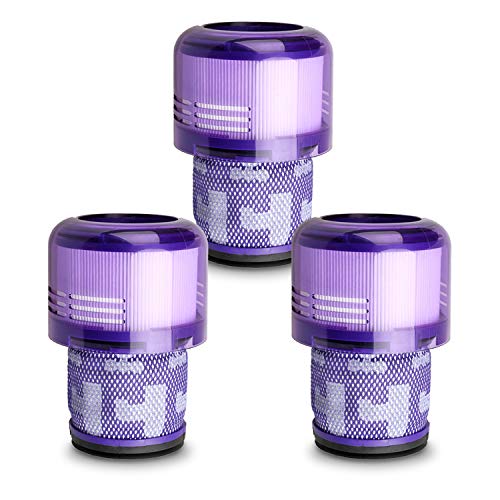
FIT MODELS – V11 V15 Filter Replacement for Dyson V11 Origin Cordless Vacuum (B00FZPRUTY, B0C2J7R8PY) V11 Animal V11 Torque Drive+ V11 Complete V11 Extra V11 Absolute V15 Detect (B0CFRH6NF2, B0CT97D9R2, B0C2J8KJH9) V15s Detect Submarine Vacuums. Compatible with Dyson filter replacement model numbers: Graded SV14, SV15, SV17, SV22, SV28, SV47. Please verify your vacuum model before purchasing to ensure a perfect fit.

Perfect Compatibility: The replacement filter is designed for v7 car + boat vacuum, v7 absolute, v7 animal, v7 animal+, v7 animal vacuum, v7 animal pro, v8 absolute, v8 absolute exclusive, v8 absolute pro, v8 animal, v8 animal+, v8 animal exclusive, v8 animal pro, v8 animal pro+, v8 carbon fiber, sv10, sv11, Replaces to part # 965661-01 & 967478-01. Not fit for V6 vacuums
Decreased Suction Power
You’ll notice decreased suction power when your vacuum struggles to pick up dirt and debris. This reduction often happens when the filter becomes clogged with dust and allergens. If you find that dirt is left behind on floors or carpets, it’s time to check the filter. Strong suction is essential for effective cleaning, so address this issue promptly.
Visible Dirt Accumulation
You may spot visible dirt accumulation on the filter itself. If the filter appears dark or covered in debris, it’s a clear sign that it requires cleaning or replacement. A clean filter ensures optimal air flow and efficiency. Regular inspection of the filter can prevent buildup and maintain your vacuum’s performance.
How To Change Dyson Vacuum Filter
Changing the filter in your Dyson vacuum is essential for maintaining its performance and ensuring cleaner air. Follow these straightforward steps to keep your vacuum running efficiently.
Steps To Follow
- Unplug the Vacuum: Always start by disconnecting your vacuum from the power supply for safety.
- Locate the Filter: Find the filter compartment. This is usually on the side or top of the vacuum. Consult your user manual if you’re unsure.
- Remove the Filter: Grip the filter and pull it out gently. Be cautious not to force it, as this could damage the vacuum.
- Inspect the Filter: Look for signs of wear or buildup. If the filter is visibly dirty or clogged, it’s time for a change.
- Replace or Clean: Depending on your model, either replace the filter with a new one or clean it if applicable. Always use a Dyson filter designed for your model.
- Rinse the Filter: If you’re cleaning the filter, hold it under cold running water. Avoid using soap or chemicals, as these can damage the filter material.
- Squeeze Gently: Lightly squeeze the filter to remove excess water and dirt. Do not wring it out, as this can affect its shape.
- Air Dry Completely: Set the filter in a warm, dry place for at least 24 hours. Ensure it’s fully dry before reinserting it into the vacuum to prevent damage.
- Reinsert the Filter: Once dry, place the filter back into the vacuum. Ensure it clicks into place securely.
Cleaning and changing your Dyson vacuum filter regularly keeps it functioning effectively, enhancing your cleaning routine and indoor air quality.
Conclusion
Changing your Dyson vacuum filter regularly is key to keeping your home clean and your air fresh. By following the simple steps outlined, you can easily maintain your vacuum’s performance. Remember to check your filter’s condition and decide whether it needs a thorough cleaning or a replacement.
Taking a few minutes to care for your vacuum can make a big difference in how well it works. So set a reminder and make filter maintenance a part of your cleaning routine. Your Dyson will thank you for it, and you’ll enjoy a cleaner, healthier home.
Frequently Asked Questions
How often should I change the filter in my Dyson vacuum cleaner?
It’s recommended to change or clean your Dyson vacuum filter every 1 to 3 months, depending on usage. Regular maintenance ensures optimal performance and indoor air quality.
How do I locate the filter compartment in my Dyson vacuum?
To find the filter compartment, unplug your vacuum and check the user manual. Typically, it’s located under the dust canister or near the motor housing.
Can I wash my Dyson vacuum filter?
Yes, you can wash your Dyson vacuum filter. Rinse it under cold water and gently squeeze out excess water, but do NOT use soap or detergents.
How long should I let the filter dry before reusing it?
Allow the filter to air dry completely for at least 24 hours before reinserting it into your vacuum. This prevents moisture damage and ensures effective filtration.
What should I do if my Dyson vacuum filter shows wear or buildup?
If the filter shows significant wear or buildup, it’s best to replace it with a new one. Regular inspection helps maintain your vacuum’s efficiency and performance.
