
Have you ever wondered why your plumbing system sometimes struggles with backflow? It can be frustrating to deal with unexpected water issues. That’s where a vacuum breaker comes in, playing a crucial role in keeping your water supply safe and clean.
In this article, you’ll discover what a vacuum breaker is and how it prevents contamination in your drinking water. Understanding its function can help you maintain your plumbing system and avoid costly repairs down the line. Let’s explore how this simple device can make a big difference in your home.
Key Takeaways
- Definition and Function: A vacuum breaker is a plumbing device that prevents backflow by allowing air into the system, protecting the water supply from contamination.
- Types of Vacuum Breakers: The main types include Atmospheric Vacuum Breakers (AVBs), Machinery Vacuum Breakers (MVBs), Pressure Vacuum Breakers (PVBs), and Double Check Valve Assemblies (DCAs), each designed for specific applications.
- Key Use Cases: Vacuum breakers are essential in both residential and industrial settings, preventing contaminated water from siphoning back into clean water lines during processes like irrigation and manufacturing.
- Importance for Water Safety: Vacuum breakers serve as a critical first line of defense against groundwater contamination, ensuring the safety and integrity of water supplies in various environments.
- Installation and Maintenance Tips: Proper installation involves selecting the right type, positioning it correctly, and adhering to local plumbing codes, while regular inspections and maintenance are crucial for optimal function.
- Professional Guidance Recommended: For complex systems, consulting with a licensed plumber ensures compliance with regulations and maintains the effectiveness of vacuum breakers.
Understanding Vacuum Breakers
Vacuum breakers play a critical role in plumbing systems by preventing backflow and protecting your water supply. By knowing how they function and the types available, you can keep your plumbing in top shape and avoid costly issues.
Definition of Vacuum Breakers
A vacuum breaker is a plumbing device designed to prevent negative pressure or back siphonage in water supply lines. It allows air to enter the system, breaking the vacuum that could pull contaminated water back into the clean water supply. This protection is essential for maintaining potable water quality.
Types of Vacuum Breakers
Various vacuum breakers exist, each with unique applications:
- Atmospheric Vacuum Breakers (AVBs):
- Designed for low-pressure applications.
- Commonly used on hose bibs and irrigation systems.
- Must be installed above water outlets to function correctly.
- Machinery Vacuum Breakers (MVBs):
- Built for use with specific machines or equipment.
- Prevent backflow in industrial applications.
- Often integrated directly into machinery for continuous protection.
- Pressure Vacuum Breakers (PVBs):
- Suitable for higher pressure applications.
- Commonly seen in lawn irrigation and fire protection systems.
- Equipped with a mechanical check valve that opens when a vacuum forms.
- Double Check Valve Assemblies (DCAs):
- Combines two check valves and is often used in more significant systems.
- Provides an added layer of protection against backflow.
- Frequently found in commercial applications.
By recognizing the various types of vacuum breakers and their specific uses, you can ensure proper installation and functionality in your plumbing system.
Use Cases of Vacuum Breakers
Vacuum breakers play an essential role across various industries and applications. Understanding their use cases highlights their importance in preventing backflow and protecting water quality.
Recommended Products

Prevents contaminants from entering the main water supply through sprinkler heads

【Choose Certified Products】ONDAQUA holds the UPC Certification issued by IAPMO, and our products are also compliant with the ASSE 1020-2020 standard

Serial number visible in any installed orientation reduces labor time
Plumbing Applications
In residential plumbing, vacuum breakers are crucial. They stop contaminated water from siphoning back into clean water lines. You often find Atmospheric Vacuum Breakers (AVBs) installed on irrigation systems. AVBs activate when negative pressure occurs, allowing air to enter and breaking the vacuum. You may also see Pressure Vacuum Breakers (PVBs) protecting outdoor faucets and sprinkler systems. Using PVBs helps avoid backflow during pressure drops, especially during maintenance.
Intrusion into potable water systems ranks high on the list of concerns for home and business owners. Installing vacuum breakers in these plumbing scenarios ensures clean water remains safe, benefiting both health and safety.
Industrial Applications
Vacuum breakers also serve significant functions in industrial settings. In manufacturing plants, you’ll find Machinery Vacuum Breakers (MVBs) at work. MVBs prevent harmful substances from returning to the water supply, maintaining system integrity. You might see them in processes involving chemical treatment or where liquids are maintained under pressure.
Additionally, vacuum breakers play a role in water distribution systems. Facilities that use cooling towers often implement PVBs to prevent backflow contaminants from entering the water system. This practice helps industries comply with regulations that promote safe water standards.
Incorporating vacuum breakers into plumbing and industrial systems supports water safety and health regulations, making them integral to effective system management.
Importance of Vacuum Breakers
Vacuum breakers are essential devices that play a significant role in protecting plumbing systems and maintaining water integrity.
Recommended Products

【What do you get 】: 2 × Vacuum Breakers, 2 × Washers, 1 × Tape (About 350" long)

【UPC & ASSE 1020-2020 Certified Protection】 This 1" pressure vacuum breaker assembly is certified to Uniform Plumbing Code and ASSE 1020-2020 standards, providing code-recognized backflow protection for irrigation, sprinkler, and outdoor water systems.

BACKFLOW PREVENTION: The Febco Bronze Pressure Vacuum Breaker Backflow Preventer Assembly provides the ultimate mechanical protection of potable water against cross-connection contamination hazards. It is used to protect against health hazard and non-hazard back-siphonage of toxic or non-toxic liquids and meets the specifications of the USC FCCCHR Manual.
Preventing Backflow
Vacuum breakers prevent backflow by breaking the vacuum pressure created within pipes. When water flows away from the main supply, it can create a negative pressure that pulls contaminants back into the water system. By allowing air to enter the plumbing, vacuum breakers interrupt this process. For instance, in residential irrigation systems, if there’s a sudden drop in water pressure, vacuum breakers stop contaminated water from the garden from flowing back into drinking water supplies.
Protecting Water Supply
Vacuum breakers ensure the safety of your water supply. They act as a first line of defense against potential groundwater contamination. In both residential and industrial settings, they maintain clean and potable water. For example, in commercial kitchens, installing pressure vacuum breakers protects against cross-connections that might allow dirty water to siphon back into the potable water system. Regular maintenance of these devices ensures they’re functioning correctly, thus safeguarding your water and health.
Installation and Maintenance
Proper installation and maintenance of vacuum breakers enhance their performance and longevity. Following these guidelines ensures effective protection against backflow and meets safety standards.
Recommended Products

Material: Brass, Heavy duty solid brass made it durable.
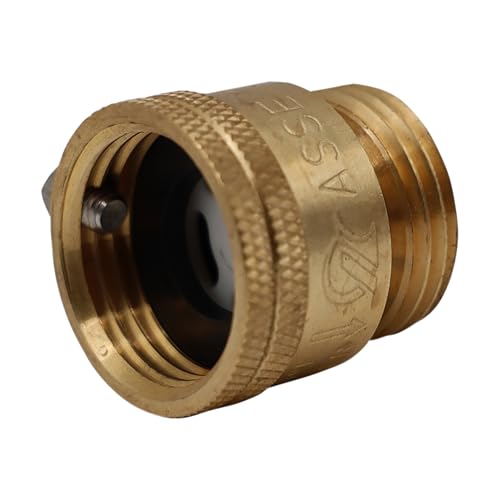
SOLID BRASS CONSTRUCTION: Built from high-quality, lead-free solid brass for maximum durability, corrosion resistance, and long-lasting outdoor use.

BACKFLOW PREVENTER: Vacuum breaker valve is designed to prevent the backflow of fluids back into the potable water system
Installation Guidelines
- Choose the Right Type: Select the appropriate vacuum breaker for your specific system. Atmospheric Vacuum Breakers (AVBs) work well for irrigation systems, while Pressure Vacuum Breakers (PVBs) suit pressurized systems.
- Locate Properly: Position the vacuum breaker above the highest point of the system. This placement prevents contamination from siphoning and ensures proper air intake.
- Secure Connections: Ensure all connections are tight. Use tape or sealant on threads to avoid leaks.
- Follow Local Codes: Always adhere to local plumbing codes and regulations during installation. Check with local authorities for specific requirements.
- Inspect Regularly: Check vacuum breakers at least once a year. Look for cracks, corrosion, or any signs of wear.
- Clean as Needed: Remove debris from the air inlet and other exposed areas to prevent blockages. A soft brush or cloth works well for cleaning.
- Test Functionality: During maintenance checks, test the operation. Open the system slowly to ensure the vacuum breaker allows air in when needed.
- Replace If Damaged: If you notice any damage or improper functioning, replace the vacuum breaker immediately to maintain system integrity.
- Consult Professionals: For complex systems or installation, consider hiring a licensed plumber. Professional service ensures compliance and optimal function.
Following these installation and maintenance tips helps maintain clean and safe water systems in your home or business.
Conclusion
Understanding the importance of vacuum breakers can make a big difference in maintaining the safety of your water supply. By ensuring these devices are correctly installed and regularly maintained you’re not just protecting your plumbing system but also contributing to the overall health of your home or business.
Whether you choose an Atmospheric Vacuum Breaker or a Pressure Vacuum Breaker it’s essential to follow the guidelines for installation and upkeep. Keeping an eye on their condition will help prevent any potential issues down the line.
So take the time to check your vacuum breakers and don’t hesitate to reach out to a professional if you need assistance. Your water safety is worth it.
Frequently Asked Questions
What is the main purpose of a vacuum breaker in plumbing systems?
A vacuum breaker is designed to prevent backflow in plumbing systems, protecting the water supply from contamination. By maintaining a pressure balance, it ensures that water flows in the intended direction and helps maintain water safety.
What are the different types of vacuum breakers?
The two main types of vacuum breakers are Atmospheric Vacuum Breakers (AVBs) and Pressure Vacuum Breakers (PVBs). AVBs are typically used in less critical applications, while PVBs are suitable for situations requiring higher pressure resistance and are more commonly installed in irrigation systems.
How important is proper installation of vacuum breakers?
Proper installation is crucial for vacuum breakers to function correctly and effectively. Incorrect positioning or connections can lead to leakage or system failure, which may compromise water safety. Following installation guidelines and local codes is essential.
How often should vacuum breakers be inspected and maintained?
Regular inspections and maintenance of vacuum breakers are essential. Ideally, they should be checked at least once a year, with cleaning, testing, and replacement performed as needed. This ensures they operate effectively and continue to safeguard potable water.
When should a vacuum breaker be replaced?
A vacuum breaker should be replaced if it shows signs of damage, such as cracks, leaks, or if it fails a pressure test. Prompt replacement is necessary to ensure continued protection against backflow and maintain water quality in your plumbing system.
Can I install a vacuum breaker myself?
While some homeowners may install a vacuum breaker, it is often advisable to consult a professional for complex systems or installations. Professionals ensure compliance with local codes and guarantee optimal performance, enhancing safety and reliability in your plumbing system.
