
Ever wondered what “Pa” means when you’re shopping for vacuum cleaners? You’re not alone! Many people overlook this important term, but it can make a big difference in your cleaning experience.
Imagine you’re trying to choose between several models. Some have high suction power while others don’t seem as impressive. Understanding “Pa” can help you pick the right vacuum for your needs, ensuring you get the best performance for your home.
Key Takeaways
- Understanding “Pa”: “Pa” (Pascal) is a critical measure of suction power in vacuum cleaners, directly impacting their cleaning efficiency.
- Higher Pa Equals Stronger Suction: Vacuum cleaners with higher Pa ratings (e.g., 20,000 Pa) provide more effective dirt removal compared to lower-rated options (e.g., 15,000 Pa).
- Importance of Evaluating PA: Assessing PA is essential, especially for homes with pets or heavy soil, ensuring you choose a vacuum that meets your cleaning needs.
- Comparison with Other Specifications: While PA is important, consider airflow rate, motor power, and filtration systems to gauge overall vacuum performance.
- Common PA Ratings: Common ratings range from 10,000 Pa for basic models to over 25,000 Pa for premium ones, indicating their suitability for varied cleaning tasks.
- Model Examples: Popular vacuum models, like the Dyson V11 and Shark Navigator, illustrate how specific PA ratings cater to different cleaning requirements.
Understanding PA in Vacuum Cleaners
Understanding “Pa” or Pascal in vacuum cleaners is crucial for choosing an effective model. This measurement indicates the suction power, which directly impacts cleaning efficiency.
Recommended Products

4-in-1 Multi-Function Design: Vacuuming, Blowing, Inflating, and Vacuuming—All in One Device No extra accessories needed! This versatile tool combines powerful vacuuming, high-pressure blowing, and rapid inflation into one compact unit. Its small size makes it perfect for tackling car interiors, household corners, and pet hair cleanup, meeting all your daily needs while saving space and money compared to buying multiple devices.

4-in-1 Multi-Function Design: Vacuuming, Blowing, Inflating, and Vacuuming—All in One Device No extra accessories needed! This versatile tool combines powerful vacuuming, high-pressure blowing, and rapid inflation into one compact unit. Its small size makes it perfect for tackling car interiors, household corners, and pet hair cleanup, meeting all your daily needs while saving space and money compared to buying multiple devices.
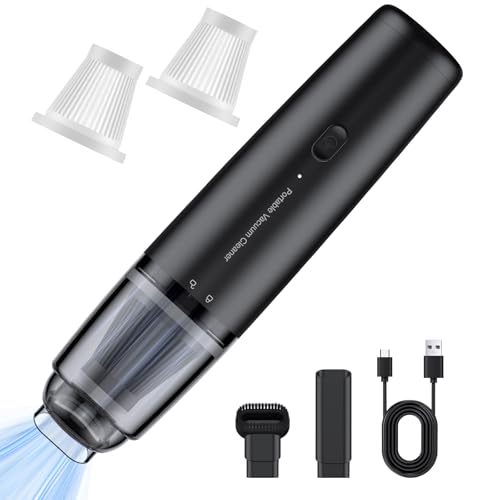
Super Suction Power 13000Pa :The high-performance car vacuum provides powerful suction power to easily remove dirt and debris from crevices in the car, under the seats, and small debris in the corners of keyboards and desks. Suitable for stubborn stains (e.g. pet hair, snack scraps) for efficient cleaning.
Definition of PA
“Pa,” short for Pascal, measures pressure or suction strength. One Pascal equals the pressure of one newton per square meter. In the context of vacuum cleaners, higher Pa values indicate stronger suction. For example, a vacuum cleaner with a suction power of 20,000 Pa provides more cleaning capability than one with 15,000 Pa.
Importance of PA Measurement
PA measurement is vital for evaluating vacuum cleaners’ performance. Stronger suction power translates to better dirt removal, especially from carpets and upholstery. For instance, if you have pets, a vacuum with at least 20,000 Pa handles hair more efficiently than lower-rated options. When shopping, comparing Pa values helps ensure you select a vacuum that meets your specific cleaning needs.
How PA Affects Vacuum Cleaner Performance
Understanding how Pa influences vacuum cleaner performance is essential for making informed purchasing decisions. Higher Pa values lead to better suction efficiency, enhancing overall cleaning capabilities.
Recommended Products

HydroJet Deep Cleaning System with Roller Mop: E25 maintains a spotless roller mop throughout every session by real-time self-cleaning 2 times a second.

【20,000Pa Powerful Suction for Deep Cleaning】 Equipped with a high-performance brushless motor delivering up to 80,000RPM, this portable car vacuum provides powerful suction to remove dust, crumbs, pet hair, sand and debris from car seats, carpets, floor mats and hard-to-reach areas.

POWERFUL 20,000 Pa SUCTION: Equipped with a high-performance motor, this handheld vacuum delivers up to 20,000 Pa of suction power to quickly pick up dust, crumbs, sand, pet hair, and other debris from car interiors and around the home.
Relationship Between PA and Suction Power
PA measurements directly correlate with suction power. For instance, a vacuum cleaner rated at 20,000 Pa provides significantly stronger suction than one at 15,000 Pa. You’ll notice the difference, especially when tackling stubborn dirt or pet hair embedded in carpets. When selecting a vacuum, focus on the Pa rating to assess how well it’ll meet your cleaning needs.
PA versus Other Specifications
PA isn’t the only specification to consider when evaluating vacuum cleaners, but it plays a critical role. Consider these comparisons:
- Airflow Rate: Measured in CFM (cubic feet per minute), airflow indicates how quickly air moves through the vacuum. A balance between Pa and airflow creates effective suction.
- Motor Power: While motor wattage reflects energy consumption, it doesn’t account for suction directly. A powerful motor doesn’t guarantee high Pa values.
- Filtration System: High-performance vacuums may have advanced filters to maintain suction efficiency, even as dirt accumulates.
Comparing these specifications alongside Pa gives you a clearer picture of a vacuum’s overall capability. Focus on models that integrate high PA with adequate airflow and optimal filtration for maximum cleaning effectiveness.
Common PA Ratings in Vacuum Cleaners
Understanding common PA ratings helps you gauge vacuum cleaner performance. Higher values generally mean better suction and cleaning efficiency.
Recommended Products

【Major Advantages】Powered by an advanced brushless motor, this vacuum uses less energy and delivers longer runtime compared to traditional vacuums. Without the friction from brushes or commutators, it also boasts a longer lifespan and operates much quieter.

𝟯𝟱𝟲°𝗙 𝗦𝘁𝗲𝗮𝗺 𝗧𝗮𝗰𝗸𝗹𝗲𝘀 𝗧𝗼𝘂𝗴𝗵 𝗘𝘃𝗲𝗿𝘆𝗱𝗮𝘆 𝗠𝗲𝘀𝘀𝗲𝘀: Powered by VaporFlow Technology, the roborock F25 Steam vacuum mop delivers up to 356°F high-temperature steam to help loosen sticky messes, kitchen grease, food spills, and dried stains with ease. Ideal for busy families, pet owners, and health-conscious households, it provides powerful steam cleaning for everyday floor care, after-meal cleanup, and whole-home maintenance across hardwood, tile, laminate, and marble floors while reducing reliance on harsh cleaning chemicals.

Perfect Compatibility: Specifically designed for Roborock Robot Vacuum Cleaner Saros 20, Saros 10R, Saros Z70, Qrevo CurvX, Qrevo Edge 2, QX Revo Ultra, ensuring a perfect fit and optimal performance.
Standard PA Ratings
Standard PA ratings typically range from 10,000 Pa to 30,000 Pa.
- 10,000 Pa: Suitable for lightweight vacuums aimed at hard floors and minimal debris.
- 15,000 Pa: Ideal for mid-range models, offering good suction for both carpets and hard surfaces.
- 20,000 Pa: Common in higher-end models, delivering strong suction for pet hair and deep cleaning.
- 25,000 Pa and above: Found in premium vacuums, providing exceptional cleaning power on various surfaces.
Examples of PA Ratings in Popular Models
A few popular vacuum cleaner models illustrate PA ratings effectively:
- Dyson V11 Torque Drive: Offers around 185 AW suction power, translating roughly to 25,000 Pa, making it excellent for deep cleaning.
- Shark Navigator Lift-Away: Features about 14,000 Pa, balancing performance and price for households with pets.
- Hoover Linx: Has a suction power of about 13,000 Pa, effective for quick cleanups on hard floors.
These examples show how different models cater to various cleaning needs with specific PA ratings.
Conclusion
Understanding Pa ratings can really change the way you choose your vacuum cleaner. By focusing on these measurements you can ensure you’re getting the suction power you need for your home. Whether you’re tackling pet hair or deep-cleaning carpets knowing the Pa values helps you make informed decisions.
So next time you’re shopping for a vacuum remember to check the Pa ratings along with other features. This way you’ll find a model that fits your cleaning needs perfectly. Happy cleaning!
Frequently Asked Questions
What does “Pa” mean in vacuum cleaners?
“Pa” stands for Pascal, a unit of measurement for pressure. In vacuum cleaners, it indicates suction power. Higher Pa values mean stronger suction, which is essential for effective dirt removal from different surfaces.
Why is suction power important for vacuum cleaners?
Suction power, measured in Pa, is crucial for a vacuum cleaner’s performance. It determines how well the vacuum can lift dirt and debris from various surfaces, impacting overall cleaning efficiency.
What are common Pa ratings for vacuum cleaners?
Common Pa ratings for vacuum cleaners typically range from 10,000 Pa to 30,000 Pa. Higher ratings indicate better suction and cleaning performance, which helps in selecting the right vacuum for your needs.
How do I choose a vacuum cleaner based on Pa ratings?
To choose a vacuum cleaner based on Pa ratings, consider your cleaning needs. Higher Pa ratings usually indicate stronger suction, which is ideal for carpets and larger debris. Match the vacuum’s suction power with the surfaces you’ll be cleaning.
Are there any other factors to consider alongside Pa ratings?
Yes, alongside Pa ratings, consider airflow rate and filtration systems. These factors influence a vacuum’s overall cleaning capability, ensuring efficient dirt removal and better air quality while vacuuming.
