
Key Takeaways
- Understanding Burnt Oil: Recognize that high heat, prolonged cooking, and using the wrong type of oil are common causes of burnt oil on stainless steel pans, affecting cooking performance and cleanup.
- Effective Cleaning Methods: Use soaking with dish soap for light stains or a baking soda paste for tougher burnt oil stains, ensuring your pan remains clean and functional.
- Necessary Tools and Materials: Equip yourself with essential cleaning supplies like dish soap, warm water, non-abrasive sponges, baking soda, and vinegar to simplify the cleaning process.
- Preventative Care: Implement proper cooking techniques such as heat control, using high smoke point oils, and regular maintenance practices to prevent the buildup of burnt oil stains.
- Maintenance Tips: Clean your pan immediately after use, dry it properly, and store it carefully to maintain its condition and extend its lifespan.
- Polishing and Seasoning: Regularly polish your stainless steel pans and season them occasionally to enhance their non-stick properties and keep them looking new.
Have you ever pulled your favorite stainless steel pan out of the cupboard only to find it covered in burnt oil? It’s a frustrating situation many of us face, especially after a long day of cooking. But don’t worry; you’re not alone in this battle against stubborn stains.
Understanding Burnt Oil on Stainless Steel Pans
Burnt oil on stainless steel pans often occurs during cooking and can create unsightly stains. Recognizing the causes and effects helps you tackle this cleaning challenge effectively.
Common Causes of Burnt Oil
- High Heat: Cooking with excessive heat causes oil to smoke, leading to burnt residue.
- Prolonged Cooking: Leaving oil in the pan for too long, especially without food, increases the chances of burning.
- Wrong Oil Type: Using oils with low smoke points, like olive oil, in high-heat cooking can result in burnt oil.
- Neglecting Stirring: Not stirring food regularly allows oil to sit, heat, and burn.
Effects on Cooking Performance
- Altered Flavor: Burnt oil can impart a bitter taste to foods, ruining dishes.
- Food Sticking: Residual burnt oil makes it difficult for food to release from the pan.
- Cleaning Difficulty: Stains from burnt oil create more effort during the post-cooking cleanup.
- Reduced Lifespan: Frequent burning can damage the pan’s surface, impacting its effectiveness over time.
Best Cleaning Methods
You can remove burnt oil from a stainless steel pan using several effective methods. Each method provides a practical solution, so you can choose the one that best suits your needs.
Recommended Products

Powder cleanser for stainless and aluminum cookware

Surface-Safe Cleaning: Crafted from premium microfiber, our dishcloths are designed to clean effectively without leaving any scratches, ideal for delicate surfaces including non-stick cookware and glass-top stoves.
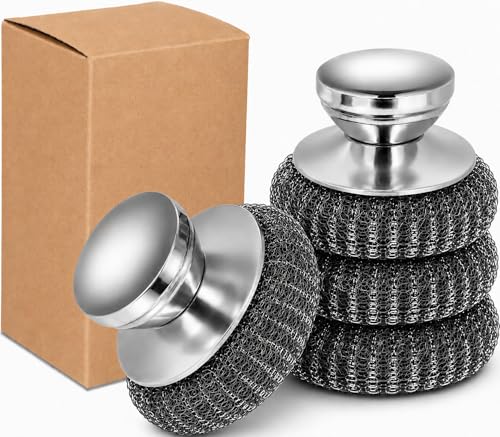
✔️【Package Included】4pcs steel wool scrubber set, they are easy to clean and scrub the stains and grease on the kitchen utensils, as well as the rust on the bottom of various pots, making them shiny as new. Of course you can use it together with a cleaning agent, the removal effect is better and the efficiency is higher.
Soaking with Dish Soap
Soaking is a simple way to tackle burnt oil. Start by filling your pan with warm water and adding a few drops of dish soap.
- Let the pan soak for at least 30 minutes.
- Use a non-abrasive sponge or cloth to scrub the burned areas gently.
- Rinse thoroughly with hot water.
- Dry with a soft towel.
This method works well for light to moderate burnt oil, making the cleaning process easier.
Baking Soda Paste
Baking soda is a powerful cleaning agent. It not only cleans but also deodorizes. To create a baking soda paste, follow these steps:
- Mix three parts baking soda with one part water in a small bowl.
- Apply the paste directly to the burnt oil stains in your pan.
- Let it sit for about 15 minutes.
- Use a non-abrasive sponge to scrub the stains gently.
- Rinse the pan with warm water and dry it.
This method effectively removes tougher burnt oil stains, restoring your pan’s shine.
Tools and Materials Needed
Cleaning burnt oil from stainless steel pans requires a few essential tools and materials. Using the right supplies makes the process simpler and more effective.
Recommended Products

12 oz (340g) Powder Cleaner for Stainless Clad Pots and Pans

Includes: Pan Scraper | Scrub Cloth | Stainless Steel Cleaner

Remove Stains & Tarnish: Bar Keepers Friend Cookware Cleanser & Polish is a kitchen stainless steel cleaner and degreaser for pots, pans and bakeware. This stain remover and glass cleaner cuts through heavy oil, hard baked-on food and rust stains
Essential Cleaning Supplies
- Dish soap: For soaking and loosening burnt oil. Choose a gentle formula that’s tough on grease.
- Warm water: Mixing warm water with dish soap aids in breaking down oil.
- Non-abrasive sponge: Ideal for scrubbing without scratching the pan’s surface.
- Baking soda: Acts as a gentle abrasive and deodorizer.
- Vinegar: Cuts through grease and helps remove stains.
- Soft cloth or paper towels: Use these for drying and polishing the pan after cleaning.
Optional Tools for Stubborn Stains
- Scrubbing pads: For tougher stains, a non-scratch scrubbing pad can help.
- Plastic spatula: This tool can gently scrape off burnt bits without damaging the pan.
- Bucket or basin: An extra container for soaking the pan effectively.
- Steel wool: Use cautiously as it can scratch the surface. Only try this on really stubborn stains if other methods don’t work.
- Rubber gloves: Protect your hands while cleaning, especially when using hot water or chemicals.
Gather these items before starting the cleaning process for a smoother experience.
Preventative Care for Stainless Steel Pans
Taking care of your stainless steel pans can help prevent burnt oil stains. Implementing proper cooking techniques and regular maintenance makes a significant difference.
Recommended Products

[ You Will Receied ] 1pcs steel wool scrubber and 4pcs steel cleaning pads for replacement, which are easy to scrubbing stains and grease on kitchen appliances, as well as rust on various pot bottoms, making them shiny like new. In addition, you can use it combination with stainless steel cleaner to achieve better cleaning and improve cleaning efficiency

Stainless Steel Scourer, 30 g, Pack of 6

【No Scratch Sponges for Dishes】These mitt-shaped multipurpose dish sponges kitchen are perfect for cleaning all kitchen surfaces or removing dirt and grime from dishes, pans, pots, countertops, sinks without leaving any scratches.
Proper Cooking Techniques
- Heat Control: Always preheat your pan over medium heat. Avoid high heat, which can lead to burnt oil.
- Use the Right Oil: Select oils with high smoke points, like avocado or canola oil, to minimize smoking and burning.
- Stir Foods Frequently: Keep food moving. Stirring or flipping it often helps prevent sticking and burning.
- Avoid Overcrowding: Cook in smaller batches. Overcrowding traps steam, leading to uneven cooking and the potential for sticking.
- Monitor Cooking Time: Watch your food closely, especially when frying or sautéing. Removing food promptly reduces the chances of burning.
Regular Maintenance Tips
- Wash After Each Use: Clean your pan with warm, soapy water immediately after cooking. This prevents buildup and makes future cleaning easier.
- Dry Properly: After washing, dry your pan thoroughly to prevent water spots and corrosion.
- Store Carefully: Avoid stacking pans without protective padding. Use cloths or pads to prevent scratching.
- Polish Occasionally: Use a stainless steel cleaner or a vinegar-water solution to maintain shine and remove minor spots.
- Season Your Pan: Occasionally applying a thin layer of oil and heating helps create a natural non-stick surface.
By following these preventative care tips, you can keep your stainless steel pans in top condition and reduce the likelihood of encountering burnt oil stains.
Conclusion
Cleaning burnt oil from your stainless steel pan doesn’t have to be a daunting task. With the right methods and tools at your disposal you can restore your pan to its former glory. Remember to soak your pan and use gentle scrubbing techniques to avoid damaging the surface.
Prevention is key so keep an eye on the heat and stir your food regularly. By incorporating these tips into your cooking routine you can enjoy hassle-free meals without the worry of burnt oil stains. A little care goes a long way in maintaining the beauty and functionality of your stainless steel cookware. Happy cooking!
Frequently Asked Questions
Why do I get burnt oil stains on my stainless steel pan?
Burnt oil stains can occur due to high heat, cooking for too long, using the wrong type of oil, or not stirring food. Understanding these factors can help prevent future stains.
How can I clean burnt oil off my stainless steel pan?
Soak the pan in warm, soapy water for 30 minutes, then scrub with a non-abrasive sponge. Alternatively, apply a baking soda paste, let it sit for 15 minutes, then scrub and rinse.
What tools do I need to clean burnt oil stains?
You’ll need dish soap, warm water, a non-abrasive sponge, baking soda, vinegar, and cloths for drying. For tougher stains, consider scrubbing pads, a plastic spatula, gloves, and a bucket for soaking.
How can I prevent burnt oil stains on my pans?
Control heat by preheating over medium, use high smoke point oils, stir frequently, avoid overcrowding, and monitor cooking times. Regular maintenance also helps keep pans clean.
Is it safe to use vinegar for cleaning burnt oil stains?
Yes, vinegar can effectively help remove burnt oil stains. It can be used in conjunction with baking soda or on its own for rinsing after other cleaning methods.
Can burnt oil damage my stainless steel pan?
Yes, burnt oil can damage the pan’s surface over time, which may reduce its effectiveness and lead to sticking food. Proper cleaning and care can prevent long-term damage.
