
Key Takeaways
- Nutritional Benefits: Pickle juice is rich in vinegar, electrolytes, and antioxidants, which may aid digestion, stabilize blood sugar, and support hydration, especially after exercise.
- Historical Uses: Historically, pickle juice has been utilized for food preservation, medicinal remedies, and post-exercise recovery, highlighting its versatility and value.
- Detox Support: While it may assist in detoxification due to its antioxidant properties, pickle juice should complement the body’s natural cleansing processes rather than replace them.
- Electrolyte Balance: Consuming pickle juice may help maintain hydration and reduce muscle cramps during intense physical activities, making it beneficial for athletes.
- Digestive Health: The acetic acid in pickle juice can enhance digestion, and unpasteurized versions may offer probiotic benefits for gut health.
- Caution Advised: Be mindful of pickle juice’s high sodium content and potential allergies; consult a healthcare professional if you have preexisting health conditions before incorporating it into your diet.
Ever wondered if pickle juice could do more than just add flavor to your favorite sandwich? You’re not alone. Many people are curious about the potential health benefits of this tangy liquid, especially when it comes to cleansing the body.
Understanding Pickle Juice
Pickle juice, often overlooked beyond its culinary uses, contains several components that may contribute to health benefits. This section explores its nutritional components and historical uses to shed light on why this tangy liquid piques your interest.
Nutritional Components
Pickle juice contains key nutrients that may influence your health.
- Vinegar: This acid can aid digestion and potentially stabilize blood sugar levels.
- Electrolytes: Sodium and potassium help maintain fluid balance in your body, especially after exercise or during hot weather.
- Antioxidants: Spices used in pickling, like garlic and dill, contain antioxidants that fight free radicals.
These components may support hydration and recovery, particularly after physical activity.
Historical Uses
Historically, people used pickle juice for various purposes beyond a condiment.
- Preservation: Pickling was a method to extend the shelf life of vegetables and fruits.
- Medicinal Remedies: Some cultures used pickle juice to soothe digestive issues and minimize muscle cramps.
- Athletic Recovery: Athletes consumed it to replenish electrolytes and prevent dehydration.
Understanding these historical applications provides insight into how pickle juice became a popular topic for potential health benefits today.
The Science Behind Detoxification
Detoxification refers to your body’s natural process of eliminating toxins. Understanding how this process works provides insight into the potential benefits of substances like pickle juice.
How the Body Cleanses Itself
The body has various built-in mechanisms for cleansing. Organs like the liver, kidneys, and lungs work continuously to filter out harmful substances. The liver metabolizes chemicals, the kidneys excrete waste through urine, and the lungs expel carbon dioxide.
Regular consumption of detoxifying foods or liquids can support these processes. For instance, pickle juice may enhance liver function due to its antioxidant properties. Antioxidants neutralize free radicals, potentially reducing cellular damage and aiding in detoxification.
Role of Hydration in Detoxification
Hydration plays a crucial role in detoxification. Water helps dissolve toxins, making it easier for your body to eliminate waste. Proper hydration also ensures efficient kidney function, which is essential for filtering blood and removing impurities.
Electrolytes in pickle juice, primarily sodium and potassium, assist in maintaining hydration levels. If you’re active or experiencing dehydration, replenishing electrolytes can support your detoxification efforts. Aim for a balance of water and electrolyte-rich beverages to promote optimal cleansing.
Will Pickle Juice Clean Your System?
Pickle juice might help cleanse your system, but its effectiveness varies among individuals. Here’s what the current information shows.
Anecdotal Evidence
Many people report positive experiences with pickle juice. Athletes often share stories about enhanced recovery after workouts. Some swear by it for alleviating muscle cramps and improving digestion. You may find testimonials online discussing how pickle juice seems to act as a quick remedy after a night of heavy eating, promoting regularity. While these experiences are compelling, they are personal and vary widely.
Scientific Studies
Research on pickle juice’s health benefits points to some supporting data. Studies indicate it may enhance hydration and replenish electrolytes due to its sodium and potassium content. For example, a study showed that athletes who consumed pickle juice experienced less muscle cramping during intense exercise compared to those who drank water. Although more research is needed, these findings suggest that the components in pickle juice might offer occasional cleansing effects, especially in relation to hydration and recovery.
Always remember to pair pickle juice consumption with a balanced diet and healthy lifestyle for optimal body function.
Potential Benefits of Pickle Juice
Pickle juice offers several potential health benefits that might support your body’s natural functions. Here’s a closer look at two key areas.
Electrolyte Balance
Electrolyte balance is crucial for maintaining hydration and supporting muscle function. Pickle juice contains high levels of sodium and potassium, two vital electrolytes.
- Hydration Support: Consuming pickle juice before or during intense workouts could help maintain your hydration levels better than water alone.
- Muscle Function: The electrolytes in pickle juice may reduce the risk of muscle cramps, especially during prolonged exercise. Studies indicate athletes drinking pickle juice experience fewer cramps compared to those drinking plain water.
Digestive Health
Digestive health is another area where pickle juice may provide benefits. Its ingredients can promote better digestion and gut health.
- Vinegar Benefits: The acetic acid in vinegar, a primary component of pickle juice, can promote digestion by increasing stomach acidity, which helps break down food more effectively.
- Probiotics: If the pickle juice is unpasteurized, it may contain beneficial probiotics that support gut health, enhancing digestion and nutrient absorption.
Including pickle juice in your diet may enhance your electrolyte balance and support your digestive health, adding beneficial components to your overall wellness routine.
Risks and Considerations
Consider potential risks when incorporating pickle juice into your routine. While it offers health benefits, awareness of certain factors is essential for informed choices.
Recommended Products
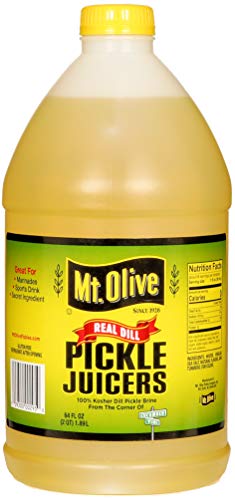
Kosher Dill Pickle Brine: Our world famous pickle juice has always been so good you were tempted to drink it straight out of the pickle jar, so now we’ve made it available to you “straight-up”

HANDY HYDRATION: A concentrated shot of electrolytes is what is needed to support hydration and help defend against muscle cramps. Numerous studies have compared pickle juice to alternatives such as water. All the electrolyte nutrients you're craving: Calcium, Magnesium, Potassium! Get ahead of muscle cramps and hydrate with bold flavor! Forget powders, packets, and gels. This is the real deal and ready to drink.

STOPS CRAMPS IN 60 SECONDS: Unlike pickle brine, Pickle Juice uses a proprietary grain and blend of vinegar which inhibits the nerve signals that cause muscle cramps, stopping cramps in as little as 60 seconds - keeping you on the road to victory
Sodium Content
Monitor your sodium intake when drinking pickle juice. One ounce contains about 300 mg of sodium, equating to around 13% of the daily limit for most adults. Excess sodium can lead to elevated blood pressure and increased risk of heart disease. Those with hypertension or kidney issues should consult a healthcare professional before consumption. You can balance sodium intake by pairing pickle juice with low-sodium foods or beverages throughout the day.
Allergies and Sensitivities
Be aware of possible allergies or sensitivities to components in pickle juice. Some people experience adverse reactions to vinegar or other ingredients, leading to digestive discomfort or skin irritation. If you have a known allergy to cucumbers or vinegar, avoid pickle juice entirely. Always start with a small amount to gauge your body’s response. If any negative symptoms arise, discontinue use and consult a healthcare provider.
Conclusion
Pickle juice can be a fun and beneficial addition to your wellness routine. With its unique blend of electrolytes and antioxidants it may support hydration and digestion. While many people enjoy its positive effects particularly after workouts it’s important to remember that everyone’s body reacts differently.
If you decide to give pickle juice a try make sure to listen to your body and consult a healthcare professional if you have any concerns. Balancing it with a healthy diet and lifestyle will help you reap the most benefits. So go ahead and enjoy that tangy goodness while keeping your overall health in mind!
Frequently Asked Questions
What are the health benefits of pickle juice?
Pickle juice may aid digestion, stabilize blood sugar levels, and support hydration. It contains vinegar, electrolytes, and antioxidants that can enhance recovery after physical activity and provide relief from muscle cramps.
How does pickle juice help with hydration?
The electrolytes in pickle juice, particularly sodium and potassium, can help maintain hydration levels during exercise. Consuming it may be more effective than water for replenishing electrolytes after intense workouts.
Can pickle juice aid in detoxification?
While pickle juice won’t detox your body on its own, it contains antioxidants that can support liver function, helping to neutralize free radicals. Staying hydrated, with pickle juice as part of your diet, can assist your body’s natural detox processes.
Is there scientific evidence supporting pickle juice benefits?
Yes, some studies indicate that athletes consuming pickle juice experience less muscle cramping during intense exercise compared to those drinking water. However, anecdotal evidence and individual experiences vary.
Are there any risks associated with consuming pickle juice?
Due to its high sodium content, pickle juice can elevate blood pressure or pose risks for individuals with hypertension or kidney issues. It’s important to consult a healthcare professional if you have health concerns.
Should everyone drink pickle juice?
While pickle juice may offer benefits, it’s not suitable for everyone. Individuals with allergies to cucumbers or vinegar should avoid it, and moderation is key to prevent excessive sodium intake.
How can I incorporate pickle juice into my diet?
You can drink pickle juice straight, add it to smoothies, or use it as a salad dressing. Starting with small amounts can help gauge your body’s response.
What is the historical use of pickle juice?
Historically, pickle juice was used for food preservation and medicinal remedies. Athletes have consumed it for replenishing electrolytes and preventing dehydration during intense physical activity.
