
Key Takeaways
- Common Causes of Clogs: Kitchen sink clogs can result from food debris, grease buildup, soap residue, and hair or fibers accumulating in the drain.
- Signs of Clogs: Early indicators include slow drainage, backups, unpleasant odors, and gurgling sounds that suggest an impending blockage.
- Essential Tools: A plunger, drain snake, and chemical drain cleaners are crucial tools for effectively addressing clogs in your kitchen sink.
- Step-by-Step Solutions: Clear clogs by assessing the situation, using a plunger or drain snake, and applying chemical solutions as needed, while ensuring to follow safety instructions.
- Preventive Maintenance: Regular drainage maintenance, such as cleaning the stopper and running hot water after use, significantly reduces the risk of clogs and promotes smooth drainage.
- Disposal Guidelines: Avoid pouring grease, food scraps, coffee grounds, or hygiene products down the drain to prevent future clogs and maintain proper sink function.
Ever found yourself standing in front of a kitchen sink filled with murky water? It’s a frustrating situation that can throw off your entire day. Clogs are a common hassle in every home, but they don’t have to be a nightmare to fix.
Understanding Kitchen Sink Clogs
Kitchen sink clogs commonly occur, frustrating many homeowners. Recognizing the causes and symptoms can simplify tackling this issue.
Common Causes of Clogs
You may encounter a clogged kitchen sink for several reasons, including:
- Food Debris: Scraps from plates can accumulate in the drain, hindering water flow.
- Grease Buildup: Pouring cooking grease down the sink solidifies over time, blocking pipes.
- Soap Residue: Soap scum mixes with grease and food particles, forming tough clogs.
- Hair and Fibers: Hair from your hands or sponges can trap debris, creating blockages.
Signs of a Clogged Sink
Identifying a clog early saves time and effort. Look for these signs:
- Slow Drainage: Water takes longer to disappear after you wash dishes or rinse vegetables.
- Backups: Water bubbles or rises in the sink during other plumbing activities.
- Unpleasant Odors: Foul smells from the drain indicate decomposing food or trapped waste.
- Gurgling Sounds: If you hear unusual noises, air is struggling to pass through the blockage.
Recognizing these clues can lead to prompt solutions and prevent further plumbing issues.
Tools You Will Need
Clearing a clog in your kitchen sink requires some basic tools. Having the right equipment can make the process faster and easier.
Recommended Products

【Compact Sink Plunger Kitchen】This mini plunger provides powerful push with multiple presses to easily clear any clog in your kitchen sink, shower or tub
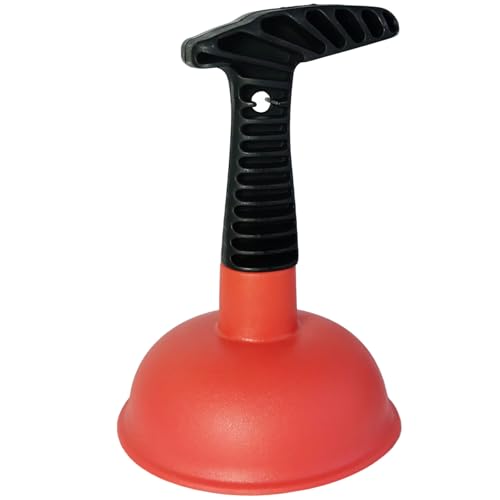
【Multifunctional sink plunger】The mini sink plunger fits for sinks, tubs, showers, toilets, and fish tanks. Ideal for homes, offices, and commercial spaces.
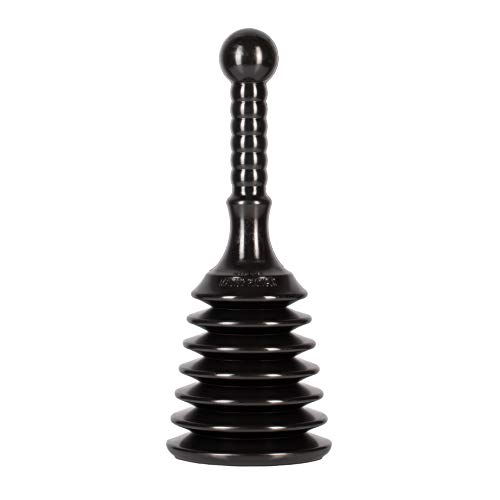
The Master Plunger S4 is perfect for kitchen sinks, bathroom sinks, floor drains, showers, or bathtubs.
Plunger
A plunger is essential for loosening clogs. Look for a cup-style plunger, which works best for sinks. To use it, follow these steps:
- Remove excess water: Ensure the sink isn’t overflowing.
- Position the plunger: Place it over the drain, ensuring a tight seal.
- Pump vigorously: Push down, then pull up quickly for about 15-20 seconds.
- Check for progress: Remove the plunger and see if water drains properly.
Drain Snake
A drain snake is effective for more stubborn clogs located deep in the pipes. Here’s how to use it:
- Insert the snake: Feed it down the drain until you feel resistance.
- Twist and push: Rotate the handle while pushing forward to break up the clog.
- Pull back: Retract the snake slowly, bringing any debris with it.
- Test for drainage: Run water to see if the clog’s gone.
Chemical Drain Cleaners
Chemical drain cleaners can help dissolve clogs caused by grease and soap buildup. Use these wisely, as they can be harsh on pipes. Follow these precautions:
- Choose the right cleaner: Check for one that targets kitchen clogs specifically.
- Follow instructions: Read and adhere to the label for safety and effectiveness.
- Use with caution: Wear gloves and goggles to protect yourself from splashes.
- Flush with water: After the product has worked, run hot water to clear any residual cleaner.
These tools will assist you in effectively tackling kitchen sink clogs.
Step-By-Step Guide on How to Clear a Clog in Kitchen Sink
Follow these steps to effectively clear a clog in your kitchen sink. Each method targets different types of clogs, ensuring a thorough approach.
Initial Assessment
Start with an assessment of the situation. Check for signs of a clog. Look for slow drainage, backups, or unusual odors. Identify the source by inspecting the sink strainer for food debris and checking the pipes under the sink for leaks. Knowing the clog’s location helps you choose the right method to use.
Using a Plunger
- Position the Plunger: Place the plunger over the sink drain. Ensure it fully covers the opening.
- Create a Seal: If you have two sinks, plug the other side with a wet cloth. This helps maintain pressure.
- Plunge Confidently: Push down firmly, then pull up quickly. Repeat this motion several times.
- Check for Drainage: After a few plunges, check if water begins to flow freely. If it does, you’ve cleared the clog!
Utilizing a Drain Snake
- Insert the Snake: Feed the drain snake into the drain until you feel resistance. This indicates a clog.
- Break Up the Clog: Turn the handle clockwise to break up the blockage. You may feel it loosen.
- Pull the Snake Out: After a few turns, slowly pull the snake back out.
- Check for Improvement: Run water to see if drainage has improved. If not, repeat the process or try another method.
Chemical Solutions
- Choose the Right Cleaner: Select a drain cleaner that dissolves grease or soap buildup. Read labels to ensure it’s suitable for kitchen sinks.
- Follow Instructions: Carefully pour the recommended amount into the drain. Avoid overuse, as excess can damage pipes.
- Wait: Let it sit for the instructed time, usually around 15-30 minutes, to allow it to work on the clog.
- Flush with Water: After the wait, flush with hot water to clear the cleaner and any remaining debris.
Using these methods can effectively resolve most kitchen sink clogs, helping restore your sink to normal function.
Preventive Measures
Taking preventive measures can significantly reduce the likelihood of kitchen sink clogs. Implementing a few simple practices helps maintain smooth drainage over time.
Recommended Products
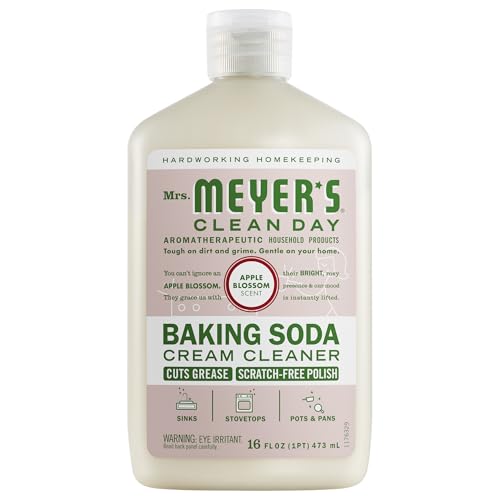
Mrs. Meyer’s Baking Soda Cream Cleaner removes soap scum and grease build-up to make your kitchen sparkle

Aunt Fannie's Sink Refresher: Lemon scented powder packed with the power of baking soda to scrub away stubborn food, grease and stains while also deodorizing sinks & drains

Sink Pipe Cleaner: Formulated to unblock drainage pipe, this chemical cleaner is one of the most powerful cleaners. It is ideal for unclogging bathroom sinks, bath drains, shower pipes and kitchen basins
Regular Maintenance Tips
- Clean the Drain Stopper: Remove and clean the drain stopper weekly to eliminate food debris and buildup.
- Run Hot Water: Flush the sink with hot water after each use. This helps dissolve grease and soap residues.
- Use a Vinegar Solution: Every month, pour a mixture of vinegar and baking soda down the drain. Let it sit for 15 minutes before rinsing with hot water.
- Check for Loose Debris: Periodically inspect the drain for any visible blockages. Remove any trapped items before they become a significant issue.
What Not to Put Down the Drain
- Grease and Oils: Never pour grease or cooking oils down the drain. These can solidify and trap other debris.
- Food Scraps: Avoid disposing of large food scraps or fibrous vegetables like celery. Use a compost bin instead.
- Coffee Grounds: Do not rinse coffee grounds down the sink. They clump together and create blockages.
- Hygiene Products: Avoid flushing feminine hygiene products or wet wipes. They’re not designed for drains and may cause significant clogs.
Conclusion
Dealing with a clogged kitchen sink can be a hassle but it doesn’t have to be overwhelming. With the right tools and techniques you can tackle most clogs yourself and save time and money. Remember to keep an eye on what goes down your drain and practice regular maintenance to keep things flowing smoothly.
By staying proactive and using the methods outlined in the article you can enjoy a fully functional kitchen sink and avoid future clogs. So grab your plunger or drain snake and get ready to restore that drainage. Happy unclogging!
Frequently Asked Questions
What causes kitchen sink clogs?
Clogs are usually caused by food debris, grease buildup, soap residue, and hair or fibers. These materials accumulate over time, leading to slow drainage and backups.
How can I tell if my kitchen sink is clogged?
Signs of a clogged sink include slow drainage, water backups, unpleasant odors, and gurgling sounds. Noticing these symptoms early can make it easier to address the issue.
What tools do I need to clear a clogged kitchen sink?
Essential tools include a plunger, a drain snake, and possibly a chemical drain cleaner. Each tool serves a different purpose, depending on the severity of the clog.
How do I use a plunger on my sink?
To use a plunger, ensure it creates a good seal over the drain. Push down and pull up rapidly, repeating this motion for 15-30 seconds, then check if the water drains properly.
When should I use a drain snake?
A drain snake is ideal for stubborn clogs that don’t respond to a plunger. Insert it into the drain, rotate it to break up the clog, and pull it out to check for improvement.
Are chemical drain cleaners safe to use?
Chemical drain cleaners can be effective but should be used with caution. Always follow the instructions, wear protective gear, and flush with water afterward to ensure safety.
How can I prevent future kitchen sink clogs?
Prevent clogs by cleaning the drain stopper weekly, running hot water after each use, and using a vinegar solution monthly. Avoid disposing of grease and large food scraps down the drain.
What should I avoid putting down the kitchen sink?
Avoid putting grease, large food scraps, coffee grounds, and hygiene products down the sink as they can lead to serious clogs and drainage issues.
