
Key Takeaways
- Sticky dust in the kitchen is primarily caused by oil vapor, moisture, and food particles released during cooking, leading to a greasy residue that attracts more dust.
- Regular maintenance and daily cleaning of surfaces can significantly reduce sticky dust buildup, ensuring a more inviting kitchen environment.
- Effective cleaning tools include microfiber cloths, all-purpose cleaners, warm soapy water, scrub brushes, and vacuums with brush attachments, which collectively help tackle sticky dust.
- Key preventive measures involve using lids while cooking, ensuring proper kitchen ventilation, and properly storing food to minimize grease and moisture exposure.
- Identifying sticky dust can be done by looking for greasy films, unusual dust accumulation, and stale odors in your kitchen.
Ever noticed that greasy dust settling in your kitchen? It seems to appear out of nowhere, sticking to surfaces and making your space feel less inviting. You’re not alone—many people struggle with this pesky problem, especially in a busy cooking area where splatters and spills are common.
Understanding Sticky Dust
Sticky dust forms in kitchens primarily due to cooking activities. When oil, grease, and moisture are released during cooking, they can settle on surfaces, creating a sticky residue. This residue attracts more dust, leading to layers of grime that build up over time.
Recommended Products
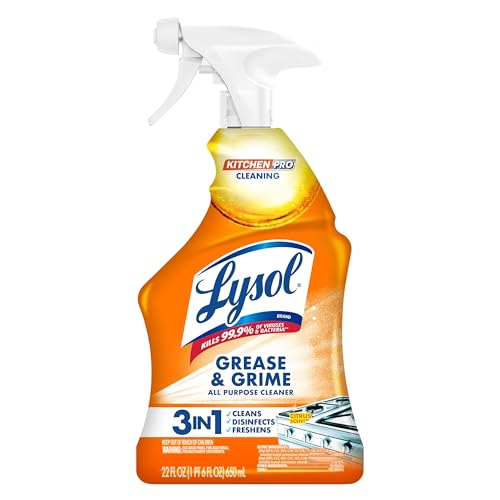
ELIMINATES 99.9% OF KITCHEN VIRUSES AND BACTERIA INCLUDNG SALMONELLA AND E.COLI: Lysol Pro Kitchen Cleaner is tested and proven to eliminate 99.9% of viruses and bacteria* (when used as directed). EPA Reg #777-91.

#1 Most effective Heavy-Duty Degreaser – This Heavy Duty formula breaks down stubborn grease and grime for a deep clean in seconds!

EWG VERIFIED: This kitchen cleaner spray is formulated with clean ingredients and certified by the Environmental Working Group to meet their strict health and safety standards. Free from concerning substances like ammonia, SLS, and SLES.
Causes of Sticky Dust
- Cooking Oil: Oil vapor can coat surfaces, turning into sticky particles that cling to kitchen equipment.
- Moisture: Steam from boiling pots or frying pans often mixes with dust, adding to the stickiness and making it harder to clean.
- Food Particles: Spills or splatters contribute to the dustiness, especially from sugary or syrupy substances.
Impact of Sticky Dust
Sticky dust affects the cleanliness and aesthetics of your kitchen. It can create an uninviting atmosphere, making you less motivated to cook or dine there. Additionally, the buildup can lead to more significant cleaning challenges and potential pest issues.
Identifying Sticky Dust
Look for these signs to identify sticky dust in your kitchen:
- Greasy Film: Check surfaces for a noticeable sheen that doesn’t come from cleaning products.
- Dust Accumulation: Notice if dust sticks to countertops, shelves, or appliances more than usual.
- Odor: A stale or greasy smell may indicate the presence of sticky dust.
Understanding sticky dust is essential for effective cleaning. By knowing its causes and effects, you can maintain a cleaner, more pleasant kitchen environment.
Causes of Sticky Dust in the Kitchen
Understanding the reasons behind sticky dust in your kitchen helps you tackle cleaning more effectively. Several factors contribute to this common problem.
Common Sources
Cooking activities stand out as the primary source of sticky dust. Cooking oil vapor frequently escapes during frying, sautéing, or baking. This vapor condenses on surfaces, leaving behind a greasy film. Spills from food also create pathways for sticky residues. When you cook, crumbs and drips often find their way onto counters and appliances, attracting dust. Range hoods and exhaust fans can also blow grease particles into the air, which then settle on your kitchen surfaces.
Environmental Factors
Environmental factors play a role in sticky dust accumulation as well. High humidity levels, for example, can intensify the stickiness of dust. Moisture in the air combines with dust particles, creating a more adhesive surface. Dust from open windows and doors adds to the problem too, especially in urban areas where airborne pollutants are common. Kitchens close to dining areas may also experience more sticky dust due to food particles traveling from one area to another.
By knowing the causes of sticky dust, you can effectively clean your kitchen and maintain a welcoming space.
Effective Cleaning Methods
Cleaning sticky dust in your kitchen involves using the right tools and a systematic approach. Here’s how to tackle the problem efficiently.
Recommended Products
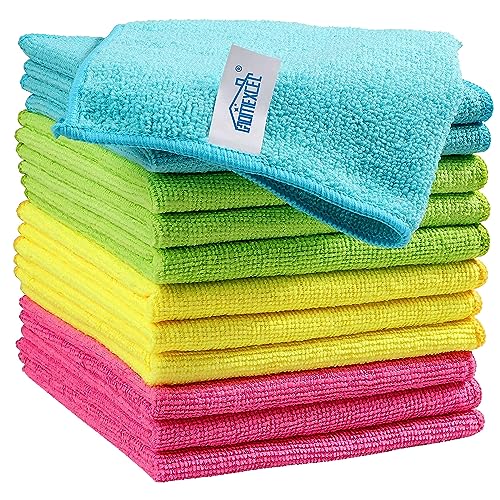
Effective Streak-Free Cleaning: Clean kitchen countertops, windows, mirrors, bathroom surfaces, stainless steel, car interiors, glass, and other delicate surfaces with just water or your favorite cleaner—these microfiber cloths deliver streak-free, neat results with minimal effort, making daily cleanup fast and simple

ULTRA SOFT MATERIAL & SCRATCH FREE - Ultra soft and highly absorbent microfiber cleaning cloths, great for cleaning windows, kitchenware, car or other delicate surfaces.

10x GRIP-ROOT WEAVE - TRAP MORE, WORK LESS: Ultra-absorbent microfiber towels for car Grip Root weave works like PLANT ROOT FOLLICLES, sucking up & LOCKING AWAY 8x to 10x its weight in liquid, particulates, moisture, grime and dirt in far LESS TIME than traditional ‘Heavy Duty’ Cleaning Rags. Each towel features a 2.5mm thick design, providing enhanced durability and better grip during use.
Tools You Will Need
- Microfiber cloths: These trap dust and dirt effectively without scratching surfaces.
- All-purpose cleaner: Choose a non-toxic cleaner to cut through greasy residue.
- Bowl of warm soapy water: Use dish soap for gentle scrubbing.
- Scrub brush: A soft-bristle brush works well for stubborn areas.
- Vacuum with a brush attachment: This can remove dust from hard-to-reach spots.
- Sponge: For wiping down surfaces.
- Rubber gloves: Protect your hands from cleaning solutions.
Step-by-Step Cleaning Process
- Clear the area: Remove items from countertops and shelves to access all surfaces.
- Dust surfaces: Use a vacuum or a microfiber cloth to pick up loose particles and dust before applying any cleaner.
- Prepare your cleaning solution: Mix warm water with an all-purpose cleaner according to the label instructions.
- Wipe down surfaces: Use a microfiber cloth or sponge soaked in the cleaning solution to tackle each surface, including countertops, stovetops, and cabinet doors. Work in small sections for effective coverage.
- Scrub stubborn spots: For areas with heavy residue, use a scrub brush dipped in soapy water to gently scrub away the sticky dust.
- Rinse surfaces: Dampen a clean microfiber cloth with plain water and wipe down all surfaces to remove any cleaner residue.
- Dry thoroughly: Use a dry cloth to ensure surfaces are completely dry. This helps prevent further dust accumulation.
- Replace items: Return your kitchen items to their original spots, ensuring that everything is clean and dry.
Consider repeating this process regularly to keep your kitchen dust-free and inviting.
Prevention Tips
Maintaining a clean kitchen can significantly reduce sticky dust buildup. Implementing a few smart practices helps create a more inviting space.
Recommended Products

Wipes out tough grease and grime, leaving no smeary residue

POWERFUL DEGREASING FORMULA: Heavy-duty degreaser effectively cuts through tough grease, oil stains, and grime on kitchen and automotive surfaces (Tip: This clean up kitchen oil stains is mainly suitable for cleaning oil stains, Not suitable for rust stains and aged dirt)
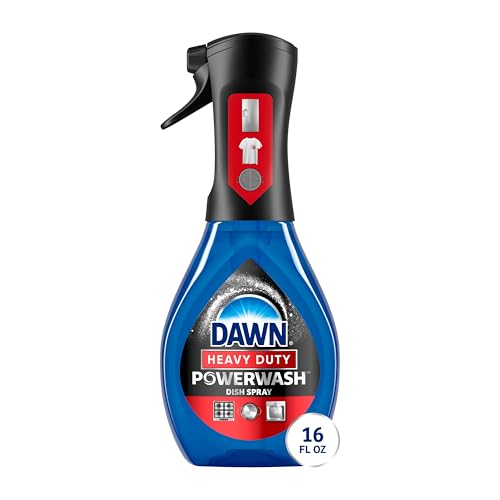
DAWN POWERWASH HEAVY DUTY: Multi-purpose cleaning spray designed for the toughest jobs
Regular Maintenance
Perform regular maintenance to keep grease and moisture at bay.
- Clean surfaces daily: Wipe down counters and tables after each use to remove food particles and spills.
- Wash kitchen textiles: Clean dish towels and oven mitts weekly, as they can harbor grease and moisture.
- Inspect appliances: Regularly check your stove and microwave for spills or splatters needing attention.
Best Practices to Avoid Sticky Dust
Adopting simple habits can minimize sticky dust accumulation.
- Use lids while cooking: Cover pots and pans to contain grease and moisture released during cooking.
- Ventilate your kitchen: Open windows or turn on exhaust fans during cooking to circulate air and reduce humidity.
- Store food properly: Seal food containers tightly to prevent moisture release and airborne particles.
- Avoid frying: Use alternate cooking methods, like baking or steaming, to reduce oil splatter.
These practical tips ensure your kitchen remains clean, inviting, and free of sticky dust.
Conclusion
Keeping your kitchen free from sticky dust doesn’t have to be a daunting task. By understanding what causes this pesky residue and following a simple cleaning routine, you can create a more inviting space for cooking and gathering. Regular maintenance and smart cooking habits will go a long way in preventing sticky dust from taking over.
Remember to equip yourself with the right tools and don’t hesitate to tackle those stubborn spots. With a little effort and consistency, your kitchen can be a clean and welcoming haven. So roll up your sleeves and enjoy a fresh, dust-free cooking environment!
Frequently Asked Questions
What causes greasy dust in the kitchen?
Greasy dust in the kitchen primarily results from cooking activities. Cooking oil vapor, moisture from steam, and food particles from spills all contribute to this sticky residue. When these substances settle on surfaces, they create a film that attracts more dust, making the kitchen feel uninviting.
How can I identify sticky dust in my kitchen?
You can identify sticky dust by looking for a greasy film on surfaces, unusual dust accumulation, and any stale or greasy odors. These signs indicate the presence of sticky residue from cooking activities, highlighting the need for thorough cleaning.
What cleaning tools are essential for tackling sticky dust?
To clean sticky dust, essential tools include microfiber cloths, all-purpose cleaner, warm soapy water, scrub brushes, and rubber gloves. These tools help effectively remove greasy residues and keep your kitchen surfaces clean and fresh.
What is the recommended cleaning process for my kitchen?
The recommended cleaning process involves several steps: clear the area, dust surfaces, prepare a cleaning solution, wipe down surfaces, scrub stubborn spots, rinse, dry thoroughly, and replace items. Regularly repeating this process helps maintain a dust-free kitchen.
How can I prevent sticky dust buildup in my kitchen?
To prevent sticky dust buildup, maintain daily surface cleaning, wash kitchen textiles weekly, and inspect appliances for spills. Using lids while cooking, ventilating the kitchen, and properly storing food also help minimize greasy residue.
