
Key Takeaways
- Understanding Greasy Cabinets: Grease collects from cooking, leading to sticky surfaces and potential hygiene issues; recognize the signs, including sticky textures and discoloration.
- Effective Cleaning Techniques: Use appropriate cleaning solutions based on cabinet material: warm water and mild detergent for wood, and vinegar-water mix for painted cabinets.
- Essential Supplies: Equip yourself with mild dish soap, white vinegar, baking soda, microfiber cloths, and non-abrasive sponges to simplify the cleaning process.
- Systematic Cleaning Process: Follow a clear cleaning plan: prepare the area, create a cleaning solution, clean from top to bottom, rinse, and dry for optimal results.
- Preventative Maintenance: Regularly wipe down cabinets after cooking and check for spills to reduce grease buildup, ensuring prolonged cleanliness and cabinet lifespan.
- Choosing the Right Cabinet Finish: Opt for non-porous materials and semi-gloss paints for easy cleaning; regularly condition wood cabinets to maintain their appearance and protect against grease.
Do your kitchen cabinets look like they’ve seen better days? Grease and grime can build up quickly, making your space feel less inviting. You’re not alone—many people struggle with keeping their cabinets clean, especially in busy kitchens.
Understanding Greasy Cabinets
Greasy cabinets accumulate grime from cooking, resulting in sticky surfaces. Over time, this buildup impacts both appearance and hygiene in your kitchen.
Cooking oils, splatters from frying, and food residue contribute significantly to this issue. The more you cook, the more grease clings to your cabinets. Even simple tasks like boiling water can produce steam that carries grease particles, settling on surfaces.
Certain materials attract grease more than others. For instance, varnished wood can trap grime, while painted surfaces offer some resistance. Cleaning methods vary based on cabinet materials.
Signs of Greasy Cabinets
- Sticky Surfaces: If your fingers stick when sliding across the cabinet doors, it’s a clear sign of grease.
- Discoloration: Dark spots or uneven colors indicate accumulated grime.
- Odors: Persistent cooking smells can linger on greasy surfaces, affecting the kitchen’s ambiance.
Effective Cleaning Approach
Cleaning greasy cabinets involves understanding the right tools and cleaning agents. Always choose non-abrasive cleaners to avoid damaging the finish.
- For Wood Cabinets: Use a solution of warm water and mild detergent. Apply it with a soft cloth to prevent scratches.
- For Painted Cabinets: Opt for a mixture of vinegar and water. This combination effectively cuts through grease without harming the paint.
Being proactive about kitchen cleanliness can prevent excessive buildup. Regularly wiping down cabinets after cooking maintains their appearance and hygiene.
Essential Cleaning Supplies
Gathering the right supplies makes cleaning greasy kitchen cabinets easier and more effective. Here’s what you need.
Recommended Products
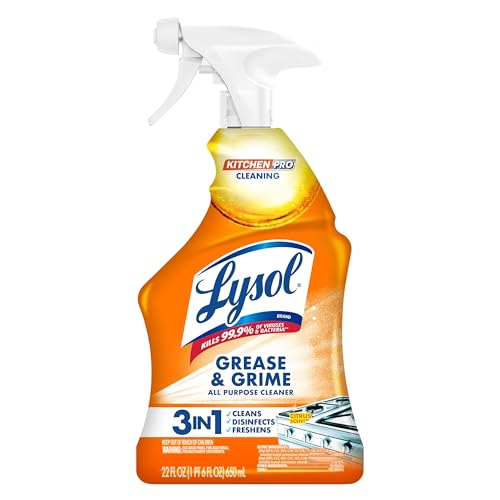
ELIMINATES 99.9% OF KITCHEN VIRUSES AND BACTERIA INCLUDNG SALMONELLA AND E.COLI: Lysol Pro Kitchen Cleaner is tested and proven to eliminate 99.9% of viruses and bacteria* (when used as directed). EPA Reg #777-91.
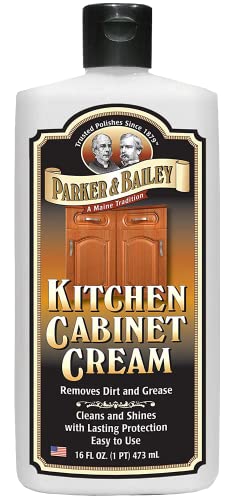
Cleans years of built-up grease and food stains from kitchen cabinets without harsh chemicals or sticky residue

40 YEARS OF FINISHING EXPERTISE – Created by second-generation kitchen specialists who understand the science of wood finishes. Our professional kitchen cabinet cleaner is specially designed as a safe wood cabinet cleaner that protects finishes while cleaning.
Recommended Cleaning Products
- Mild Dish Soap: Choose a gentle dish soap for breaking down grease without harming finishes.
- White Vinegar: This natural cleaner cuts through grime and deodorizes surfaces.
- Baking Soda: Use it for tough spots, as it acts as a gentle abrasive.
- All-Purpose Cleaner: Select a non-abrasive formula designed for kitchen use to tackle a variety of messes.
- Olive Oil: Use this to condition and protect wood cabinets after cleaning.
Tools You Will Need
- Microfiber Cloths: These trap dust and grime effectively without scratching surfaces.
- Soft Sponge: Opt for a non-abrasive sponge to apply cleaning solutions safely.
- Bucket: A bucket is handy for mixing cleaning solutions and rinsing cloths.
- Spray Bottle: Fill this with your cleaning solution for easy application.
- Old Toothbrush: Keep this for scrubbing hard-to-reach crevices and corners.
Having these supplies on hand allows you to tackle grease buildup efficiently and keep your kitchen looking fresh.
Step-by-Step Cleaning Process
Cleaning greasy kitchen cabinets requires a systematic approach. Follow these steps for effective results.
Recommended Products

EASY TO USE :Spray and wipe for routine kitchen cabinet cleaning without a dull, sticky feel

FORMULATED FOR YOUR MOST CHERISHED WOOD FURNITURE PIECES & CABINETS: Weiman Cabinet & Wood Clean & Shine cleans and restores shine and beauty to your kitchen and home cabinets and wood furniture. No oily, greasy residue left behind!

Complete cleaning kit: Includes a foaming air fryer cleaner spray and a non-abrasive sponge for an effective clean that removes grease, grime, oil, residue, baked-on food, and baked-on messes without scratching.
Preparing the Area
- Clear the Countertops: Remove everything from your kitchen counters. This declutters the workspace and makes cleaning easier.
- Protect Surfaces: Place a drop cloth or newspaper under your cabinets to catch drips and spills. This will save your countertops from damage.
- Gather Supplies: Collect your cleaning supplies like mild dish soap, white vinegar, microfiber cloths, and a bucket.
Cleaning the Cabinets
- Create Cleaning Solution: Mix warm water with a few drops of mild dish soap in your bucket. For painted cabinets, mix equal parts of white vinegar and water in a spray bottle.
- Start at the Top: Begin cleaning from the top of the cabinets and work your way down. This prevents grease from dripping onto clean areas.
- Apply Solution: Dampen your microfiber cloth or sponge with the cleaning solution. Wipe down the cabinet surfaces, focusing on areas with more grease buildup.
- Use an Old Toothbrush: For intricate designs or tight corners, use an old toothbrush dipped in the cleaning solution. This helps reach hidden grease buildup effectively.
Rinsing and Drying
- Rinse the Cloth: After cleaning, rinse the microfiber cloth or sponge in clean water to remove soap residue. Wring it out well.
- Wipe Down Again: Go over the cabinet surfaces with the damp cloth to remove any remaining cleaning solution. Ensure no wet areas remain.
- Dry the Cabinets: Use a dry microfiber cloth to wipe down the cabinet surfaces. This prevents water spots and keeps the finish intact.
Follow these steps, and your kitchen cabinets will look fresh and clean.
Preventative Measures
Taking steps to prevent grease buildup on your kitchen cabinets makes cleaning easier. Regular maintenance keeps cabinets looking fresh and extends their lifespan.
Recommended Products
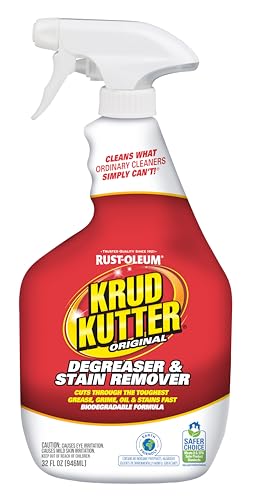
CUTS GREASE AND GRIME: Water-based cleaner degreaser is designed to cut grease, oil, grime, tar and wax fast

ZEP HEAVY-DUTY CITRUS DEGREASER: Natural citrus solvents remove adhesives, grease and oil from most surfaces

360° spray helps to remove tough oil, grease, adhesive & kitchen soil in hard-to-reach areas
Regular Maintenance Tips
- Wipe Down Daily: After cooking, quickly wipe cabinets with a damp cloth. Use a mild dish soap solution for any stubborn spots.
- Use a Spray Bottle: Fill a spray bottle with vinegar and water. Lightly spritz cabinet surfaces weekly to discourage grease accumulation.
- Check for Spillages: Immediately clean any food or oil spills. Addressing these promptly helps maintain a clean environment.
Choosing the Right Finish
- Opt for Non-porous Materials: Select cabinets with finishes that resist grease, like painted or sealed surfaces.
- Consider Semi-gloss Paint: Semi-gloss finishes are easier to clean compared to flat paints. They repel moisture and grease effectively.
- Regularly Condition Wood Cabinets: If you have wood cabinets, use a wood conditioner every few months. This protects against oil penetration and keeps the wood looking vibrant.
Conclusion
Cleaning greasy kitchen cabinets doesn’t have to be a daunting task. With the right supplies and a little elbow grease you can restore their shine and keep your kitchen looking inviting. Remember to tackle the buildup regularly to prevent it from becoming overwhelming.
By following the simple steps outlined and incorporating daily maintenance you’ll not only enhance the appearance of your cabinets but also improve the overall hygiene of your kitchen. So grab those cleaning supplies and get started. Your cabinets will thank you for the care and attention you give them. Happy cleaning!
Frequently Asked Questions
How do kitchen cabinets get greasy?
Kitchen cabinets accumulate grease from cooking activities like frying, sautéing, and boiling. Cooking oils, food splatters, and steam can deposit grease particles on cabinet surfaces, especially if they’re made of materials like varnished wood that attract grime more than others.
What are the signs of greasy kitchen cabinets?
Signs of greasy kitchen cabinets include sticky surfaces, discoloration, and persistent odors. If your cabinets feel tacky or look dull and stained, it’s likely that grease and grime have built up over time.
What is the best way to clean greasy kitchen cabinets?
To clean greasy kitchen cabinets, use a non-abrasive cleaner appropriate for the cabinet material. For wood, mix warm water with mild detergent; for painted cabinets, try a vinegar and water solution. Always wipe surfaces and rinse to avoid residue.
What cleaning supplies do I need for greasy cabinets?
Essential cleaning supplies for tackling greasy cabinets include mild dish soap, white vinegar, baking soda, all-purpose cleaner, microfiber cloths, soft sponges, an old toothbrush, a bucket, and a spray bottle. These tools help make the cleaning process efficient.
How can I prevent my kitchen cabinets from getting greasy?
To prevent grease buildup, regularly wipe down cabinets after cooking, use a vinegar and water spray weekly, and quickly address spills. Choosing non-porous cabinet materials and finishes can also help make them easier to clean and maintain.
