
Key Takeaways
- Health and Hygiene: Regularly cleaning kitchen handles is essential to prevent the buildup of bacteria and reduce the risk of cross-contamination in cooking environments.
- Aesthetics: Maintaining clean handles enhances the visual appeal of your kitchen, making it a more inviting space for meal preparation.
- Durability: Frequent cleaning prolongs the lifespan of kitchen fixtures by preventing the deterioration of finishes caused by sticky residues.
- Functionality: Clean handles ensure smooth operation of cabinets and drawers, as grime can impede their movement.
- Effective Cleaning Solutions: Use simple methods like a vinegar-water solution or baking soda paste to effectively remove stickiness without damaging surfaces.
- Preventive Measures: Establish a regular cleaning schedule and consider protective coatings to keep kitchen handles in optimal condition and reduce future cleanup efforts.
Have you ever reached for your kitchen handles only to be greeted by a sticky surprise? It’s a common annoyance that can turn your cooking experience into a messy chore. Whether it’s grease from your last meal or residue from spilled drinks, those handles can quickly become a breeding ground for grime.
Importance Of Cleaning Kitchen Handles
Cleaning kitchen handles is crucial for several reasons. Handles attract grease, food particles, and bacteria. Regular cleaning prevents the buildup of sticky residue that can hamper your cooking experience.
Health Concerns
Bacteria thrive in kitchens, especially on frequently touched surfaces. Dirty handles pose a risk for cross-contamination, potentially spreading germs to food. Cleaning these areas contributes to a healthier cooking environment.
Aesthetic Appeal
Clean handles enhance the appearance of your kitchen. Shiny, well-maintained handles improve your kitchen’s overall look, making it inviting. No one wants to prepare meals in a space with grimy surfaces.
Longevity of Fixtures
Regular maintenance prolongs the lifespan of kitchen handles. Sticky residue can deteriorate finishes, leading to costly replacements. Taking care of your handles now saves money in the long run.
Improved Functionality
Clean handles function better. Grime can hinder their movement, making cabinets and drawers difficult to open. Keeping them clean ensures smooth operation.
Maintaining clean kitchen handles is vital for health, aesthetics, durability, and functionality. Prioritizing this simple task enhances your cooking experience.
Common Causes Of Stickiness
Sticky kitchen handles often result from several common factors. Understanding these causes can make cleaning easier and help maintain a hygienic kitchen.
Food Residue
Food residue is a primary culprit for sticky kitchen handles. Bits of sauces, spices, and crumbs frequently cling to handles after cooking. For example, when you pull open a cabinet or fridge after chopping vegetables, tiny particles can transfer onto your hands. These residues may dry out and form a sticky film, attracting even more dirt and grime over time. Regular cleaning removes these residues and keeps handles hygienic.
Grease Build-up
Grease build-up can create a slippery and unpleasant texture on your kitchen handles. Cooking oils, butter, and fats splatter during meal preparation. Over time, this grease accumulates, especially on frequently used handles. For instance, handles on cabinets near the stove are particularly vulnerable to this build-up. A simple wipe-down with soap and water can prevent or minimize this issue. Keeping grease at bay enhances both the look and feel of your kitchen.
Effective Cleaning Methods
Use these effective cleaning methods to tackle sticky kitchen handles easily and efficiently.
Recommended Products

#1 Most effective Heavy-Duty Degreaser – This Heavy Duty formula breaks down stubborn grease and grime for a deep clean in seconds!
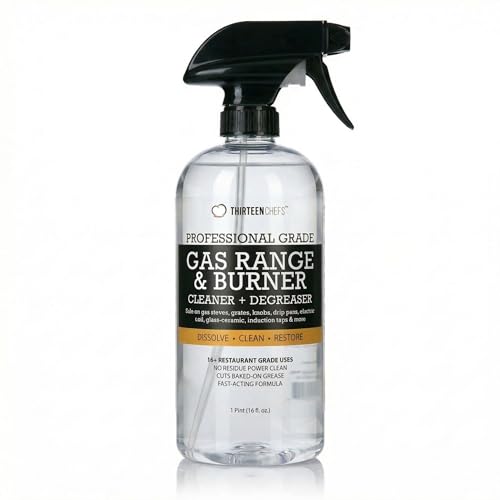
STOVES AND RANGES – Dissolves baked on residue and black crust with ease. Degreases and cuts through grease drippings and splatters on grates and burners.

Fast-Acting Kitchen Cabinet Cleaner: Instantly dissolves tough grease – sticky buildup on wood cabinet door above the cooktop, oily fingerprints around handle. Just spray & revive guest-ready shine for homeowners, move-in ready clean for new owners.
Vinegar And Water Solution
Mix equal parts vinegar and water in a spray bottle for a simple cleaning solution. Spray the mixture directly onto the sticky handle. Let it sit for a few minutes to break down the grime. Wipe with a microfiber cloth, applying gentle pressure. Rinse the handle with water to remove any remaining residue. This solution not only cleans but also disinfects, thanks to vinegar’s natural antibacterial properties.
Baking Soda Paste
Create a paste using baking soda and water by mixing three parts baking soda to one part water. Apply the paste to the sticky areas of the handle. Allow it to sit for about 10 minutes to penetrate the stickiness. Scrub with a soft brush or cloth in circular motions. Rinse the handle thoroughly with water to remove the paste. Baking soda’s mild abrasive nature effectively lifts stubborn residue without scratching surfaces.
Commercial Cleaners
Consider using commercial cleaners specifically designed for kitchen surfaces. Look for a cleaner labeled as grease cutter or all-purpose cleaner. Follow the instructions on the label carefully. Apply the cleaner to the handle and wipe down with a clean cloth. Ensure that the product is safe for the material of your handles, especially if they are made of wood or delicate finishes. For added protection, wipe the handle with a damp cloth afterward to remove any cleaner residue.
Tools And Supplies Needed
Cleaning sticky kitchen handles requires a few essential tools and supplies. Having the right items on hand makes the process quick and efficient.
Cleaning Cloths
Use microfiber cleaning cloths for effective cleaning. Microfiber traps dirt and grime without scratching surfaces. Choose a couple of cloths: one for applying cleaning solutions and another for drying the handles.
Scrub Brushes
Select scrub brushes with soft bristles to avoid scratching handles. These brushes help remove stubborn residue. Use a small brush for detailed areas, like crevices, and a larger one for wider surfaces.
Tips For Maintaining Clean Handles
Maintaining clean kitchen handles ensures a pristine cooking environment. Here are some effective strategies to keep your handles in top condition.
Regular Cleaning Schedule
Establish a regular cleaning schedule to prevent buildup. Clean your kitchen handles at least once a week, especially after heavy cooking. Take a microfiber cloth and a vinegar-water solution, and wipe down the handles. For stubborn stains or stickiness, use a soft scrub brush to apply a baking soda paste. This habit prevents dirt and grease from accumulating, making cleaning easier in the long run.
Protective Coatings
Consider applying protective coatings to your kitchen handles. Use a sealant designed for metal or wood finishes, depending on your handle material. This coating creates a barrier against grime and spills, making it easier to wipe away any debris. Periodically reapply the coating to maintain its effectiveness, especially after extensive cleaning or wear. This proactive measure can prolong the lifespan of your handles and keep them looking new.
Conclusion
Keeping your kitchen handles clean is more than just a chore; it’s a way to create a healthier and more inviting cooking space. By regularly addressing the stickiness caused by grease and food particles, you’re not only enhancing the look of your kitchen but also ensuring a safer environment for you and your family.
With a few simple cleaning methods and the right tools, tackling sticky handles becomes a breeze. Establishing a routine will help keep your handles in great shape and prolong their lifespan. So grab those cleaning supplies and get started on making your kitchen a cleaner and more enjoyable place to cook. You’ll be glad you did!
Frequently Asked Questions
What causes kitchen handles to become sticky?
Sticky kitchen handles usually become that way due to a build-up of grease, food particles, and spills. Cooking oils can accumulate, especially on handles near the stove, while food residue like sauces and crumbs can dry out and create a sticky film.
How often should I clean my kitchen handles?
It’s best to clean your kitchen handles at least once a week, particularly after heavy cooking. This regular cleaning helps maintain hygiene and prevents grime accumulation that can lead to stickiness.
What are effective cleaning methods for sticky kitchen handles?
You can clean sticky kitchen handles using a vinegar and water solution to disinfect and break down grime. A baking soda paste can also be effective for lifting stubborn residue. Additionally, commercial cleaners designed for kitchen surfaces can be used, ensuring they’re safe for the handle material.
What tools do I need to clean kitchen handles?
Essential tools for cleaning kitchen handles include microfiber cleaning cloths for trapping dirt and grime, and soft-bristled scrub brushes for removing stubborn residue. Smaller brushes are ideal for detailed areas, while larger ones work well for broader surfaces.
How can I prevent my kitchen handles from getting sticky?
To prevent stickiness, establish a regular cleaning schedule and clean handles after cooking. Applying protective coatings, like sealants made for the specific material of your handles, creates a barrier against grime and makes future cleaning easier.
