
Key Takeaways
- Regular Cleaning is Essential: Maintaining clean wood kitchen cabinets not only enhances aesthetics but also protects the wood from discoloration and damage due to grime and food residues.
- Common Grime Sources: Food spills and grease accumulation during cooking are primary culprits behind grime buildup on cabinets. Immediate cleanup helps prevent stubborn stains.
- Effective Cleaning Methods: Utilize natural solutions like vinegar and olive oil, or wood-safe commercial cleaners, to effectively remove grime without damaging the wood’s finish.
- Routine Maintenance Matters: Establish a weekly cleaning routine that includes dusting, wiping with a gentle cleaner, and inspecting for stains to keep cabinets looking their best.
- Preventative Measures: Proactively reduce grime by storing items properly, using pot covers while cooking, and choosing appropriate cleaning products tailored for wood surfaces.
Ever noticed how quickly grime can build up on your wood kitchen cabinets? It’s frustrating, right? Cooking splatters and everyday wear can leave your cabinets looking dull and dirty, making your kitchen feel less inviting.
Importance Of Cleaning Wood Kitchen Cabinets
Cleaning wood kitchen cabinets serves crucial purposes beyond mere aesthetics. Regular cleaning maintains the beauty of the wood, preserving its natural finish and texture. A clean cabinet enhances the overall ambiance of your kitchen, making it a more inviting space for family and friends.
Accumulated grime can lead to permanent damage. Oils and food residues can seep into the wood, causing discoloration or degradation. By addressing this buildup promptly, you protect your investment, ensuring the cabinets last longer and look better.
Hygiene plays a significant role in the importance of cleaning. Kitchens are hubs for food preparation. A clean environment prevents the spread of bacteria and allergens, promoting your family’s health. Regular cleaning routines help keep your kitchen safe and enjoyable.
Cleaning can also boost your home’s value. Well-maintained cabinets attract potential buyers, making a positive impression during showings. Clean cabinets signal that you’ve cared for your home, potentially leading to higher offers.
To summarize, clean wood kitchen cabinets improve aesthetics, protect against damage, maintain hygiene, and enhance property value. Regular maintenance ensures your kitchen remains a functional and appealing space.
Common Sources Of Grime
Grime on wood kitchen cabinets often comes from everyday activities. Knowing the common sources helps in preventing and addressing the buildup effectively.
Recommended Products
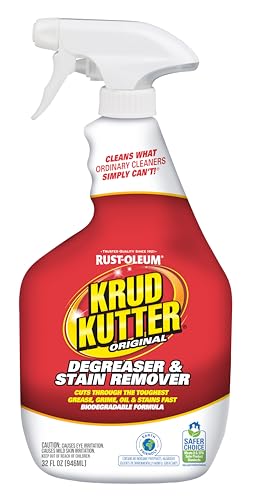
CUTS GREASE AND GRIME: Water-based cleaner degreaser is designed to cut grease, oil, grime, tar and wax fast
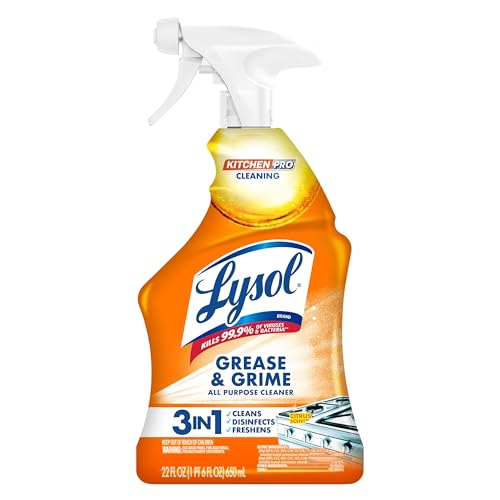
ELIMINATES 99.9% OF KITCHEN VIRUSES AND BACTERIA INCLUDNG SALMONELLA AND E.COLI: Lysol Pro Kitchen Cleaner is tested and proven to eliminate 99.9% of viruses and bacteria* (when used as directed). EPA Reg #777-91.

Each spray, in all its lovely non-toxic glory delivers a mighty cleaning punch
Food Spills
Food spills are a frequent source of grime. Whenever you chop vegetables or prepare meals, crumbs and droplets can fall onto the cabinets. For example, ingredients like sauces, oils, and liquids often splatter during cooking. Wiping up spills immediately prevents them from hardening into stubborn stains. Use a damp cloth to clean up any spills as they happen, keeping your cabinets looking sharp.
Grease Accumulation
Grease accumulation occurs primarily when cooking. Frying foods or sautéing vegetables releases small grease particles into the air, which settle on surfaces, including cabinets. Over time, these particles form a noticeable film. To combat this, clean your cabinets regularly with a gentle cleaner specifically designed for wood. Use a microfiber cloth to avoid scratching the surface while removing grease effectively. Keeping a routine cleaning schedule minimizes buildup and maintains your cabinets’ natural beauty.
Best Methods To Clean Grime Off Wood Kitchen Cabinets
Cleaning wood kitchen cabinets effectively removes grime and restores their natural beauty. Here are the best methods to achieve this.
Recommended Products

40 YEARS OF FINISHING EXPERTISE – Created by second-generation kitchen specialists who understand the science of wood finishes. Our professional kitchen cabinet cleaner is specially designed as a safe wood cabinet cleaner that protects finishes while cleaning.

CABINET & FURNITURE CLEANER: Removes dirt, grime & grease buildup
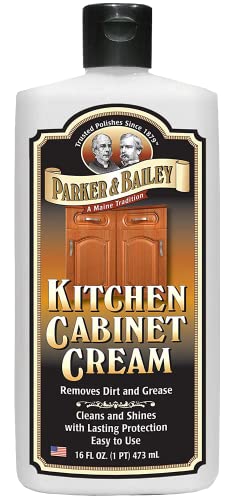
Kitchen Cabinet Creme cleans, restores and removes grease or food stains off your kitchen cabinets
Natural Cleaning Solutions
- Vinegar and Water: Combine equal parts of white vinegar and water in a spray bottle. Spray the solution onto a microfiber cloth and wipe the cabinets gently. Vinegar cuts through grease without damaging the wood.
- Olive Oil and Vinegar: Mix two parts olive oil with one part vinegar. Apply the mixture to the cabinets using a soft cloth. This not only cleans but also adds shine and protection to the wood.
- Baking Soda Paste: Create a paste using baking soda and water. Apply it to stubborn spots and let it sit for a few minutes. Wipe away with a damp cloth. This method tackles tough stains without scratching the finish.
- Castile Soap: Dilute a few drops of liquid Castile soap in warm water. Use a microfiber cloth to clean the cabinets, ensuring you don’t soak the wood. This soap is gentle yet effective for everyday grime.
Commercial Cleaners
- Wood-Safe Spray Cleaners: Look for products specifically formulated for wood surfaces. Brands like Murphy’s Oil Soap or Pledge offer effective cleaning without harsh chemicals. Follow the manufacturer’s instructions for best results.
- Degreaser Solutions: For heavy grease buildup, use a degreaser designed for wood surfaces. Apply the product using a cloth, making sure to rinse or wipe with a damp cloth afterward to remove any residue.
- Furniture Polish: After cleaning, use a furniture polish to enhance shine and provide a protective layer. Choose a polish that contains natural oils to nourish the wood while preventing future grime accumulation.
- Microfiber Cloths: Always use high-quality microfiber cloths for both natural and commercial cleaning methods. These cloths trap dirt and dust effectively, ensuring you don’t scratch the wood while cleaning.
Focus on using these methods regularly and your wood kitchen cabinets will look new and inviting.
Tips For Maintaining Clean Cabinets
Maintaining clean cabinets involves consistent care and attention to detail. Implementing a few straightforward strategies helps preserve the beauty and functionality of your kitchen cabinets.
Recommended Products

COMPLETE WOOD POLISH BUNDLE: Includes a 16 oz. Wood Cleaner & Polish and Premium Microfiber Cloth.

FORMULATED FOR YOUR MOST CHERISHED WOOD FURNITURE PIECES & CABINETS: Weiman Cabinet & Wood Clean & Shine cleans and restores shine and beauty to your kitchen and home cabinets and wood furniture. No oily, greasy residue left behind!

FORMULATED FOR YOUR MOST CHERISHED WOOD FURNITURE PIECES & CABINETS: Weiman Cabinet & Wood Clean & Shine cleans and restores shine and beauty to your kitchen and home cabinets and wood furniture. No oily, greasy residue left behind!
Regular Cleaning Routine
Establish a regular cleaning routine to keep grime at bay. Clean your cabinets once a week using these steps:
- Dust the Surface: Use a microfiber cloth to remove dust and debris from the cabinet surfaces.
- Wipe Down with a Gentle Cleaner: Apply a wood-friendly cleaner or a homemade solution, like a vinegar and water mix, on a damp cloth. Gently wipe the cabinets, focusing on areas showing grease or stains.
- Rinse and Dry: After cleaning, use a damp cloth with plain water to remove any cleaner residue. Follow up by drying the surfaces with a dry cloth to prevent water spots or damage.
- Inspect for Stains: Pay attention to any sticky spots or persistent stains, and tackle them promptly to avoid buildup.
Preventative Measures
Prevent grime accumulation by taking proactive steps. Implement these measures:
- Use Cabinets as Storage: Store items like pots, pans, and jars away from your cabinet surfaces to minimize spills and grease transfers.
- Cover Cooking Ingredients: Always cover pots and pans when cooking to reduce splatter potential.
- Install a Splash Guard: Consider adding a splash guard or a backsplash behind your stove to catch grease and food particles before they reach your cabinets.
- Choose Cleaning Products Wisely: Opt for gentle cleaning products specifically marked for wood surfaces to avoid damaging the finish.
By integrating these tips into your routine, you create an environment that encourages cleanliness, prolongs the life of your cabinets, and maintains a welcoming kitchen atmosphere.
Conclusion
Keeping your wood kitchen cabinets clean doesn’t just improve their look; it also protects your investment. By regularly tackling grime and using gentle cleaning solutions you can maintain the beauty and longevity of your cabinets.
Establishing a cleaning routine makes it easier to stay on top of spills and stains. Plus with a few preventative measures in place you can minimize future buildup.
So grab your microfiber cloth and your favorite cleaner, and give those cabinets the care they deserve. You’ll not only enjoy a more inviting kitchen but also create a healthier cooking environment for you and your family.
Frequently Asked Questions
Why is it important to clean wood kitchen cabinets?
Cleaning wood kitchen cabinets is essential to maintain their beauty, prevent damage, and enhance hygiene. Regular cleaning preserves the natural finish, while also preventing the buildup of grime that can lead to discoloration or degradation of the wood. Additionally, clean cabinets contribute to a more inviting kitchen atmosphere and can increase your home’s value.
What causes grime to accumulate on kitchen cabinets?
Grime on kitchen cabinets primarily results from cooking splatters, grease accumulation, and food spills during meal preparation. With regular use, oils and residues from ingredients, like sauces and fats, can settle on surfaces, leading to a dull appearance if not cleaned promptly.
What are effective cleaning solutions for wood kitchen cabinets?
Effective cleaning solutions for wood kitchen cabinets include a vinegar and water mixture, olive oil and vinegar, baking soda paste, and diluted Castile soap. For tougher grime, wood-safe commercial cleaners and degreasers can be used. Always follow up with furniture polish for added shine and protection.
How can I maintain clean kitchen cabinets?
To maintain clean kitchen cabinets, establish a regular cleaning routine that involves dusting surfaces, using a gentle cleaner, rinsing, and drying. Preventative measures, such as covering cooking ingredients and installing splash guards, can help keep cabinets cleaner for longer, enhancing their longevity.
What type of cloth should I use to clean wood cabinets?
Using high-quality microfiber cloths is recommended for cleaning wood cabinets, as they are gentle and effective. Microfiber cloths help avoid scratching the wood’s surface while effectively removing dust and grime, ensuring a thorough and safe cleaning process.
