
Ever wondered why your Shark robot vacuum keeps stopping mid-clean? You’re not alone. Many people experience this frustrating issue, and it can throw a wrench in your cleaning routine. Picture this: you set your vacuum to clean while you relax, only to find it halted halfway through the room.
Key Takeaways
- Understanding Shark Robots: Shark robot vacuums are designed for efficient home cleaning with features like automatic navigation, multi-surface functionality, and scheduled cleaning.
- Common Causes for Stopping: Key issues causing your Shark vacuum to stop include low battery levels, obstructions and blockages from debris, and navigation problems due to dirty sensors.
- Troubleshooting Steps: Important troubleshooting measures involve checking and charging the battery, cleaning the sensors to ensure accurate navigation, and performing resets to fix minor glitches.
- Maintenance for Longevity: Regular maintenance practices, such as establishing a cleaning schedule and monitoring software updates, help maintain the vacuum’s performance and prevent interruptions during cleaning.
- Popular Models: Models like the Shark IQ Robot and AV2501AE feature advanced capabilities including self-emptying and AI navigation, catering to diverse cleaning needs.
Overview of Shark Robot Vacuums
Shark robot vacuums combine advanced technology with user-friendly features. Designed to simplify cleaning, these devices handle various surfaces while efficiently navigating your home.
Common Features and Benefits
Shark robot vacuums offer features that enhance the cleaning experience.
- Automatic Navigation: Smart sensors help the vacuum avoid obstacles and find its way around furniture.
- Multi-Surface Functionality: You can use them on carpets, hardwood floors, and tiles.
- Scheduled Cleaning: Set specific times for cleaning to maintain a tidy home without manual effort.
- Compact Design: Their slim profile allows them to reach under furniture easily.
- Easy Maintenance: Many models include self-cleaning brushes and detachable dust bins, making upkeep simple.
These features work together to provide a more efficient cleaning process, letting you enjoy a cleaner home with less effort.
Popular Models
Several Shark robot vacuum models cater to different cleaning needs.
- Shark IQ Robot (RV1001): Offers self-emptying capabilities and advanced navigation. It remembers your home’s layout for efficient cleaning.
- Shark AV2501AE AI Robot Vacuum: Features advanced AI to recognize dirtier areas and increase suction as needed.
- Shark R75 Robot Vacuum: Equipped with a multi-surface brush roll and a high-capacity battery for extended cleaning sessions.
These models showcase Shark’s versatility and commitment to effective home cleaning. Each offers unique advantages, allowing you to choose one that best fits your lifestyle.
Common Reasons Why Does My Shark Robot Vacuum Keep Stopping
Several factors contribute to Shark robot vacuums stopping during operation. Identifying these common issues can help restore your vacuum’s performance.
Recommended Products
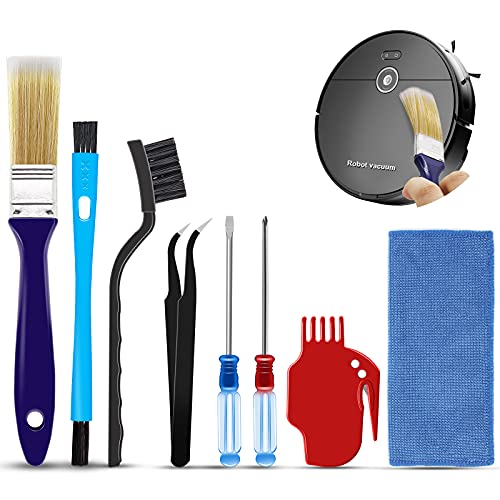
Midukit vacuum cleaning kit for robot, dyson. Vacuum cleaning tool includes Cleaning Brush, tweezers, screwdriver (Phillips, Slotted), double-end cleaning brush, 2 in 1 hair cutter hooks, Cleaning Cloth. Easier to clean the hair inside the roller, dust, sand and mud.

CONSTRUCTION PROJECT MAKES CLEANING FUN! Assemble this robotic desktop vacuum cleaner that actually works to pick up dust, lint, and debris.

DISCOVER HOW VACUUM ROBOT WORKS- Have you ever seen a vacuum robot collecting garbage? How does it work? Assembeling this vacuum robot is your chance to discover how vacuum works while building on your own!
Battery Issues
Battery problems often cause interruptions. Low battery levels prevent your vacuum from completing its cleaning cycle. Ensure your vacuum charges fully before use. If your vacuum frequently stops or doesn’t hold a charge, consider replacing the battery.
Obstructions and Blockages
Obstructions hinder your vacuum’s movement. Hair, dirt, or various debris can clog filters and brushes, leading to unplanned stops. Regularly inspect and clean the brushes and dustbin. Clear paths of any cords, furniture legs, or obstacles that could obstruct navigation.
Navigation Problems
Navigation challenges arise from poor sensor performance or dirty sensors. If sensors get dirty, your vacuum may struggle to detect boundaries or obstacles, causing stops. Check and clean the sensors regularly to ensure accurate navigation. Also, ensure the vacuum is on the right cleaning mode tailored for the surfaces it encounters.
Troubleshooting Steps
If your Shark robot vacuum keeps stopping, certain steps can help identify and resolve the issue effectively.
Recommended Products

【Compatible with Shark Vacuum Battery Replacement】: For 2-Prong Connector - Shark battery RVBAT850, RV700_N, RV720_N, RV725_N, RV750_N (Attention the "_N" of model #), R75, R85, S87, RV771, RV761, RV850, RV850C, RV850BRN, RV851WV, RV871, RV871C, RV912S, RV913S, RV1000...

【battery replacement for shark vacuum】Please make sure your Shark battery model is RVBAT850 and the connector (plug) is 2 prongs, not 3-prong. Please double confirm the battery model and connector to avoid buying a wrong product.

【Warm tips】Please confirm your original battery is RVBAT850, the battery’s connector is 2 Prong. Please fully charge for the first time.
Checking the Battery
First, examine the battery level. If it’s low, recharge it fully. The vacuum needs a full charge to complete cleaning cycles. Inspect the battery connections for any dirt or corrosion. Clean them gently with a dry cloth. If you notice any damage, replacing the battery may be necessary.
Cleaning the Sensors
Next, clean the sensors. Dirty sensors can disrupt navigation, causing the vacuum to stop. Use a soft, dry cloth to wipe the sensors gently. Focus on the cliff sensors at the bottom and the dirt sensor on the front. Regular cleaning helps maintain accurate performance and prevents unnecessary stops.
Resetting the Robot
If issues persist, consider resetting the robot. Power it off, then wait for about ten seconds before turning it back on. This simple reset can clear minor glitches. For further troubleshooting, you can perform a factory reset by following the specific instructions in your model’s user manual. Always consult the manual for proper reset techniques to avoid problems.
By following these troubleshooting steps, you can improve the performance of your Shark robot vacuum and minimize interruptions during cleaning.
Maintenance Tips for Optimal Performance
Maintaining your Shark robot vacuum ensures it operates smoothly and minimizes disruptions during cleaning. Here are some key maintenance tips to enhance its performance.
Recommended Products

※IMPORTANT※ Many models of Shark R101AE Self-empty Base are introduced. There are also several versions of the height of the foam filter. The height of this filter is 3.7 inch, which is the highest of all models at present. It can be used in other low style foam filters.The pre-motor filters compatible with Shark IQ Robot Vacuum RV1001AE UR1005AE Self-Empty Base.

Compatibility: Fit for Shark AI AV2501S, AV2501AE, RV2502AE RV2520AOUS AV2510AOUS AV2511AE UR250BEOUS UR2500SR RV2610WA RV2610WD av251 waxus av251waous ur250be0us av251waous ur250be0us ur250bexus ur250beyus ur2500sr av251waxus av2610wa 2400wd rv2402wxus rv2520afus rv2400wd rv2410wd Vacuum Cleaner

Replacement Parts fit for Shark AI AV2501S, AV2501AE, RV2502AE RV2520AOUS AV2510AOUS AV2511AE UR250BEOUS UR2500SR RV2610WA RV2610WD av251 waxus av251waous ur250be0us av251waous ur250be0us ur250bexus ur250beyus ur2500sr av251waxus av2610wa 2400wd rv2402wxus rv2520afus rv2400wd rv2410wd Vacuum Cleaner
Regular Cleaning Schedule
Establish a regular cleaning schedule for your Shark robot vacuum. Set a specific day or time each week for thorough cleaning. Regularly empty the dustbin, clean filters, and brush rollers to prevent clogs. Aim for every two weeks for the filters and every month for the brush rollers. Keeping these components clear helps the vacuum move seamlessly and collect dirt efficiently.
Software Updates
Check for software updates frequently. Updates can improve the performance and functionality of your Shark robot vacuum. To do this, access the app or connect it to Wi-Fi. Follow the prompts to complete the updates. By staying up-to-date, you ensure that your vacuum uses the latest technology to navigate and clean effectively.
Conclusion
Keeping your Shark robot vacuum running smoothly is easier than you might think. By staying on top of maintenance and addressing common issues like battery life and obstructions, you can enjoy uninterrupted cleaning sessions. Regularly emptying the dustbin and cleaning the filters will not only enhance performance but also extend the life of your vacuum.
If you encounter any persistent problems despite following these tips, don’t hesitate to reach out to customer support for assistance. With a little care and attention, your Shark robot vacuum will keep your floors spotless without any hiccups. Happy cleaning!
Frequently Asked Questions
Why does my Shark robot vacuum stop mid-clean?
Common reasons for a Shark robot vacuum stopping mid-clean include battery issues, obstructions in its path, or navigation challenges. Regularly check the vacuum for tangled cords, furniture, or other items that may block its path.
How can I improve my Shark robot vacuum’s performance?
To enhance your Shark robot vacuum’s performance, establish a regular cleaning schedule, empty the dustbin after each use, clean the filters and brush rollers often, and check for software updates. These steps help maintain optimal functioning and reduce interruptions.
What maintenance do Shark robot vacuums require?
Shark robot vacuums need regular maintenance such as emptying the dustbin, cleaning or replacing filters, and inspecting brush rollers for debris. Additionally, check for software updates periodically to ensure your vacuum operates smoothly.
How often should I clean my Shark robot vacuum?
It’s recommended to clean your Shark robot vacuum at least once a week. This includes emptying the dustbin, inspecting the filters and brush rollers, and performing software updates to ensure optimal cleaning efficiency.
Can I fix my Shark robot vacuum if it keeps jamming?
Yes, if your Shark robot vacuum keeps jamming, first check for obstructions like hair or debris tangled in the brush or wheels. Cleaning these areas can often resolve the jamming issue. If problems persist, consult the user manual for further troubleshooting steps.
