
Are you dealing with an unexpected flea invasion in your home? You’re not alone. Many pet owners face this pesky problem, and it can feel overwhelming trying to find a solution. While you might think vacuuming is just a quick fix, it can actually play a significant role in your flea control strategy.
In this article, you’ll learn how effective vacuuming can be in tackling those unwanted pests. We’ll explore the right techniques to maximize your efforts and discuss how vacuuming fits into a broader flea management plan. By the end, you’ll have a clearer idea of how to reclaim your space and keep those fleas at bay.
Key Takeaways
- Vacuuming is Effective: Regular vacuuming helps remove fleas, eggs, and larvae from your home, significantly reducing flea populations.
- Understand Flea Life Cycle: Familiarizing yourself with the flea life cycle (egg, larva, pupa, adult) is crucial for targeting them during their vulnerable stages.
- Use Proper Techniques: Utilize high-quality vacuums, target hotspots, vacuum in different directions, and focus on areas where pets spend the most time for optimal results.
- Combining Methods is Key: While vacuuming aids in flea control, it’s essential to incorporate other strategies like chemical treatments and pet care for comprehensive management.
- Consistency Matters: Vacuum daily during an infestation and adjust your routine based on pet activity to effectively disrupt the flea life cycle and prevent reinfestation.
Understanding Fleas and Their Infestation
Fleas are small, wingless insects that thrive on the blood of mammals and birds. They multiply quickly, making it essential to understand their life cycle and signs of infestation to control and eliminate them effectively.
Life Cycle of Fleas
Fleas undergo four distinct life stages: egg, larva, pupa, and adult.
- Egg: A female flea lays about 20 eggs per day on a host or in the environment.
- Larva: Eggs hatch into larvae in about 2 days to 2 weeks, depending on conditions. Larvae feed on organic debris in carpets or bedding.
- Pupa: Larvae spin cocoons and enter the pupal stage, lasting from a few days to several months. Fleas can remain dormant until stimulated by heat or vibration.
- Adult: Once emerged, adults can live several weeks to months, depending on access to blood meals.
Understanding this cycle helps you target fleas effectively during their vulnerable stages.
Common Signs of Flea Infestation
Recognizing signs of a flea infestation prompts timely action. Look for the following indicators:
- Scratching: Pets may scratch excessively due to bites. Watch for bald patches or irritated skin.
- Flea Dirt: Dark specks in your pet’s fur or around their sleeping area indicate flea feces. This debris turns reddish-brown when wet, revealing its origin.
- Bites on Humans: Flea bites on your skin typically appear as small, red welts, often grouped together.
- Visible Fleas: Spotting fleas jumping on your pet or in your home signifies a serious issue.
Taking note of these signs allows you to act swiftly in your flea control efforts.
The Role of Vacuuming in Flea Control
Vacuuming plays a crucial role in managing flea populations in your home. Regular vacuuming helps remove fleas, eggs, and larvae from carpets, furniture, and pet bedding.
Recommended Products

Durable PP construction with an internal brush guard to prevent the fill from collapsing and restricting airflow. The dusting tool end is designed to be compatible with and...
How Vacuuming Affects Fleas
Vacuuming disrupts the flea life cycle by effectively removing adult fleas, eggs, and larvae. Adult fleas often live on pets, but they lay eggs in the environment. When you vacuum, you pull up these eggs and larvae, reducing their chances of hatching and developing into adult fleas. Vacuuming also creates vibrations, which can lead adult fleas to jump from their hiding spots, making them easier to capture. For best results, focus on areas where pets spend most of their time, like carpets, rugs, and upholstery.
Limitations of Vacuuming Alone
Vacuuming alone doesn’t eliminate fleas entirely. Adult fleas and their eggs can remain hidden in cracks, crevices, or your pet’s fur. Also, some eggs and larvae might escape being vacuumed. While vacuuming significantly reduces flea populations, it should be part of a broader flea control strategy. Pair vacuuming with other methods, such as regular pet treatments and environmental sprays, for optimal results. Treat all areas, including outdoor spaces, to eliminate any remaining fleas.
Best Practices for Vacuuming to Remove Fleas
Effective vacuuming plays a crucial role in eliminating fleas from your home. By following specific techniques and maintaining a consistent routine, you can enhance your efforts in reducing the flea population.
Recommended Products

IMPROVED VIDEO TO SHOW HOW TO ATTACH: The VacGroom Kit allows you to groom your dog or cat with the upmost ease. In this kit, you get the Grooming Tool, 3 Interchangeable...
Recommended Vacuuming Techniques
- Use a High-Quality Vacuum: A vacuum with strong suction captures fleas, eggs, and larvae more effectively. Opt for one with a HEPA filter to trap allergens.
- Target Hotspots: Focus on areas where pets spend time, like rugs, carpets, and upholstery. Pay attention to corners, edges, and under furniture, as fleas often hide in these spots.
- Vacuum in All Directions: Change your vacuuming direction to ensure you loosen and capture hidden fleas better. This technique helps pick up more debris.
- Use Attachments: Utilize nozzle attachments to clean tight spaces, crevices, and stairs. Fleas often escape to these narrow areas and require extra attention.
- Empty the Vacuum Immediately: Dispose of vacuum contents in a sealed bag outside your home to prevent re-infestation. Regularly check and clean the vacuum filter as well.
- Vacuum Daily During Infestation: If you notice a flea problem, vacuum daily for at least two weeks. This frequency helps disrupt the flea life cycle effectively.
- Vacuum Twice a Week After Initial Treatment: Once the flea population decreases, shift to vacuuming twice a week. Maintaining this schedule prevents new infestations.
- Adjust for Pet Activity: If pets frequently enter your home, consider increasing vacuuming frequency. More frequent cleaning helps eliminate potential flea carriers.
- Incorporate Other Cleaning Methods: Alongside vacuuming, use steam cleaning and wash pet bedding weekly. This approach enhances the effectiveness of your flea control strategy.
Additional Methods for Flea Control
Vacuuming helps, but additional methods significantly enhance flea control. Combining different approaches increases effectiveness and leads to more complete eradication.
Recommended Products
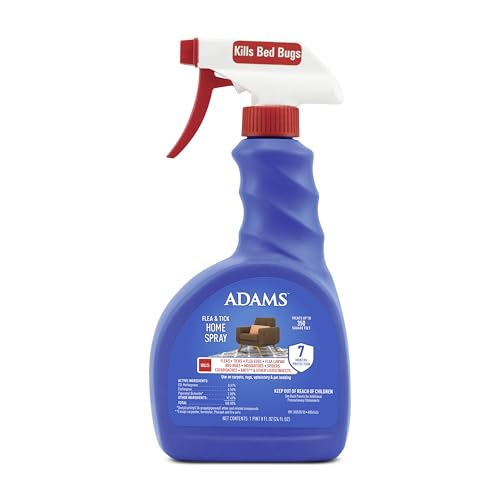
EFFECTIVE FLEA & TICK HOME TREATMENT: Kills fleas, ticks, bed bugs, spiders cockroaches, mosquitoes and other listed insects; Helps control uninvited pests in your home; Begins killing fleas within 5 minutes

BREAK THE LIFE CYCLE: Nixlo IGR Concentrate contains 10% pyriproxyfen; the same active ingredient as NyGuard IGR Concentrate. Pyriproxyfen halts the reproduction cycle by altering pests in the immature stages of life.

Flea Control System: Advanced flea insecticide with pyriproxyfen insect growth regulator plus pyrethrins for immediate adult kill; Prevents flea development for months
Chemical Solutions
Chemical treatments provide a potent option for managing flea infestations. Look for products containing insect growth regulators (IGRs) like methoprene or pyriproxyfen, which disrupt flea development. Use flea sprays, foggers, or powders suitable for indoor and outdoor environments. Always follow the manufacturer’s instructions to ensure safe application. Additionally, consider using topical treatments or flea collars for your pets, which also help eliminate adult fleas. Treating both your home and pets is crucial for comprehensive control.
Natural Remedies
Natural remedies can complement traditional methods, adding another layer of protection against fleas. Consider using essential oils such as lavender, cedarwood, or peppermint, which may repel fleas. Mix a few drops with water in a spray bottle and apply to pet bedding and carpets. Diatomaceous earth is another option; sprinkle food-grade diatomaceous earth in areas where fleas are prevalent. This natural insecticide dehydrates fleas on contact. Always introduce natural methods cautiously and monitor your pets for any allergic reactions.
Conclusion
Vacuuming plays a crucial role in tackling flea infestations. By following the right techniques and maintaining a consistent routine you can significantly reduce the flea population in your home. Remember to focus on those hotspots and keep your vacuum clean to maximize effectiveness.
While vacuuming is a powerful tool don’t forget to combine it with other methods for a comprehensive approach. Whether you opt for chemical solutions or natural remedies it’s all about creating a multi-faceted strategy. Stay vigilant and adjust your methods as needed to keep those pesky fleas at bay. With a little effort you can create a flea-free environment for you and your furry friends.
Frequently Asked Questions
What is the best way to vacuum for flea control?
To effectively manage flea infestations, use a high-quality vacuum with strong suction and a HEPA filter. Focus on flea hotspots, vacuum in all directions, and empty the vacuum immediately after use to remove fleas and eggs.
How often should I vacuum during a flea infestation?
During a flea infestation, vacuum daily for at least two weeks. After that, you can reduce the frequency to twice a week. Adjust the schedule based on pet activity to maintain effective flea control.
Should I wash my pet’s bedding during a flea infestation?
Yes, washing your pet’s bedding weekly is crucial during a flea infestation. It helps remove fleas, eggs, and larvae, contributing to overall control efforts and providing a clean space for your pet.
What additional methods can I use for flea control?
In addition to vacuuming, consider using chemical solutions with insect growth regulators, topical treatments, and flea collars for pets. Natural remedies like essential oils and diatomaceous earth can also be effective when used carefully.
Are there natural remedies for fleas?
Yes, natural remedies such as essential oils and diatomaceous earth can help repel and eliminate fleas. Introduce them cautiously and monitor for any allergic reactions in your pets to ensure their safety.
