
Have you ever pressed your brake pedal and felt it sink farther than usual? That could be a sign of a problem with your brake booster. Testing the brake booster vacuum is a simple yet crucial step in ensuring your vehicle stops safely and effectively.
Key Takeaways
- Function of Brake Boosters: Brake boosters use engine vacuum to amplify brake pedal force, enhancing vehicle braking performance and safety.
- Significance of Testing: Regular testing of brake booster vacuum is crucial for maintaining optimal braking efficiency and preventing potential failures.
- Common Symptoms: Signs of a failing brake booster include a hard brake pedal, longer stopping distances, hissing noises during braking, and activation of the brake warning light.
- Testing Process: Utilize a vacuum gauge to assess booster performance by checking readings while the engine is idle, during brake application, and after the engine is turned off.
- Consequences of Ignoring Issues: Neglecting brake booster problems can lead to increased accident risk, costly repairs, compromised vehicle control, and sudden braking system failures.
- Essential Tools: Required tools for testing include a vacuum gauge, basic hand tools, hose clamps, and eye protection; these are critical for accurate assessments and repairs.
Understanding Brake Boosters
Brake boosters enhance your vehicle’s braking performance. They’re typically vacuum-operated devices stationed between the brake pedal and the master cylinder. When you press the brake pedal, the booster multiplies your force, making it easier to stop your vehicle.
How Brake Boosters Work
Brake boosters function by using engine vacuum. Your engine generates a vacuum as it operates. The booster utilizes this vacuum to create a pressure difference that amplifies your pedal input. When you press the pedal, the diaphragm inside the booster moves, allowing more force to be transferred to the master cylinder. This action leads to stronger braking with less effort on your part.
Types of Brake Boosters
- Vacuum Brake Boosters
Vacuum brake boosters rely on engine vacuum. They’re common in most vehicles due to their simplicity and effectiveness. - Hydraulic Brake Boosters
Hydraulic brake boosters use hydraulic pressure instead of vacuum. They’re often found in vehicles without sufficient engine vacuum, such as diesel engines. - Electric Brake Boosters
Electric brake boosters utilize electric motors. These are less common but are gaining popularity in hybrid and electric vehicles due to their efficiency.
Common Symptoms of a Failing Brake Booster
- Brake Pedal Issues
You may notice a hard brake pedal or a brake pedal that sinks farther than usual when the engine is off. - Increased Stopping Distance
If your vehicle takes longer to stop, this could indicate a booster issue. - Hissing Noise
A hissing sound when pressing the brake pedal may suggest a vacuum leak in the booster.
Importance of Regular Testing
Regular testing of your brake booster vacuum ensures your braking system functions optimally. It enhances safety and prevents longer-term issues. For practical testing, you can perform a simple vacuum check using a vacuum gauge. Connect the gauge to the booster and observe the readings. A reading outside the normal range indicates a problem that needs addressing.
Understanding your brake booster and its function in your vehicle’s braking system enhances road safety and driving confidence.
Importance Of Testing Brake Booster Vacuum
Testing the brake booster vacuum plays a crucial role in maintaining the safety and efficiency of your vehicle’s braking system. A properly functioning brake booster significantly enhances stopping power, ensuring you can make quick, controlled stops.
Recommended Products

Premium Quality: The metal parts of the brake bleeder hand vacuum pump kit are constructed from quality aluminum alloy covered in black oxide for years of strong corrosion-proof performance, with high durability and sealing. The tubes are made from premium PVC for high resilience, heat resistance, and maximum sealing performance,durable and sturdy.

Complete Package Contents: This package contains 2 check valves matched with 2 rubber grommets, compatible with part numbers #179-1266 and 18022219

EFFICIENT UNIVERSAL BLEEDING KIT: This Brake Bleeder Kit allows you to bleed each wheel in a short period of time by one person.The Brake Bleeder Kit includes a compression tester and a set of adapters that will work with virtually any vehicle's system.
Signs Of A Failing Brake Booster
Recognizing signs of a failing brake booster helps you address issues before they escalate. Look for these key indicators:
- Hard Brake Pedal: If you notice increased difficulty in pressing the brake pedal, your brake booster may not be functioning correctly.
- Longer Stopping Distances: An increase in the distance required to stop your vehicle can indicate a weakened brake booster.
- Hissing Noise: A noticeable hissing sound while pressing the brake pedal often signals a vacuum leak in the brake booster.
- Brake Warning Light: If your dashboard displays a brake warning light, it might point to a brake system issue, including problems with the booster.
Consequences Of Ignoring The Issue
Ignoring brake booster vacuum issues can lead to severe consequences. Here are some potential risks:
- Increased Accident Risk: Reduced braking effectiveness heightens the likelihood of accidents.
- Additional Repairs: Delaying repairs can lead to more extensive (and expensive) damage to the braking system.
- Compromised Vehicle Control: A faulty brake booster affects overall vehicle handling, increasing the risk of skidding or losing control in emergencies.
- Unexpected Failures: Braking system failures can occur suddenly, resulting in dangerous situations on the road.
Keep an eye out for these signs and address any brake booster issues promptly to ensure your vehicle remains safe and reliable.
Tools Required For Testing
For testing the brake booster vacuum, you’ll need a few essential tools. Having the right equipment ensures accurate readings and efficient troubleshooting.
Recommended Products
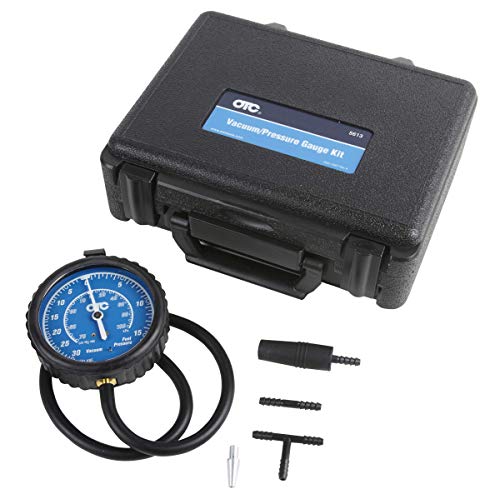
Ideal kit for testing vacuum lines and components
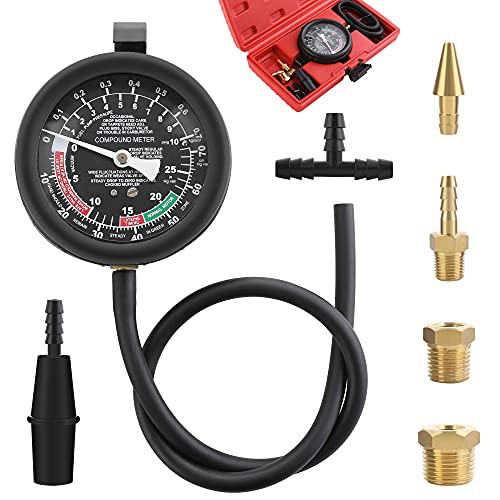
FUEL PUMP - This pressure gauge set can be used to test fuel pump pressure, emission control devices, leaky, stuck open or burnt valves. Clogged muffler, turbo or exhaust system. Helps to locate leaks in the gas line, valve timing, worn out rings and seals, heating and air conditioning components.

Professional Fuel Pump Pressure & Vacuum Tester Kit: This comprehensive kit is designed for testing fuel delivery pressure to the engine, making it an essential tool for diagnosing worn or defective parts. It is also highly effective in diagnosing various engine issues such as leaking valves, incorrect timing, leaky intake manifolds, and clogged mufflers.
Vacuum Gauge
A vacuum gauge is the primary tool for testing brake booster vacuum. This device measures the vacuum level in inches of mercury (Hg). You connect the vacuum gauge to the brake booster’s vacuum port to get a reading. Look for a reading between 18 and 20 inches of mercury at idle. If the reading is below this range, it indicates a potential issue with the brake booster or associated vacuum lines.
Other Necessary Tools
In addition to a vacuum gauge, keep these tools handy:
- Basic Hand Tools: You’ll need a wrench set and screwdrivers for removing components.
- Hose Clamps: Use these to secure hoses after testing or repairs.
- Stopwatch: A stopwatch helps measure pedal travel time for further diagnostics.
- Safety Glasses: Protect your eyes while working on your vehicle.
- Shop Manual: Reference your vehicle’s service manual for specific procedures and specifications.
These tools simplify the testing process, enabling you to maintain your brake system effectively.
Step-By-Step Guide On How To Test Brake Booster Vacuum
Testing the brake booster vacuum is essential for ensuring your vehicle’s braking system works effectively. Follow these steps for a successful test.
Recommended Products

UNIVERSAL BLEEDING KIT: Orion Motor Tech's brake bleeding vacuum pump with an adapter set works with nearly any vehicle's system and lets you bleed your brakes, clutch, or any other vehicular hydraulic system in under 5 minutes all by yourself
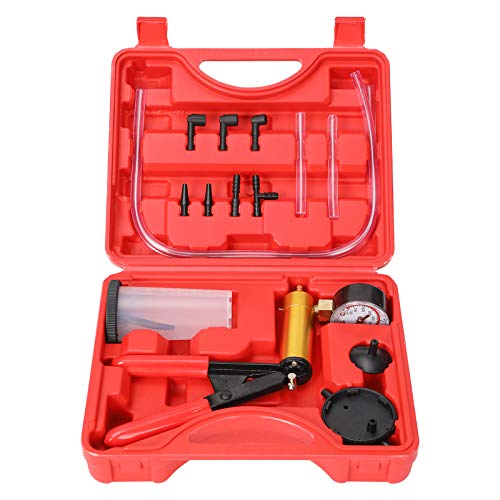
Multi-Functional Professional Testing Kit:The handheld vacuum pump kit with a vacuum pressure gauge enables precise pressure readings, covering a measurement range of 0-30 inches Hg (0-760 mmHg). Equipped with accessories for brake bleeding and automotive diagnostics, it is suitable for testing and diagnosing components and systems of bikes, motorcycles, trucks, pickups, and various vehicles, meeting professional needs in multiple scenarios.
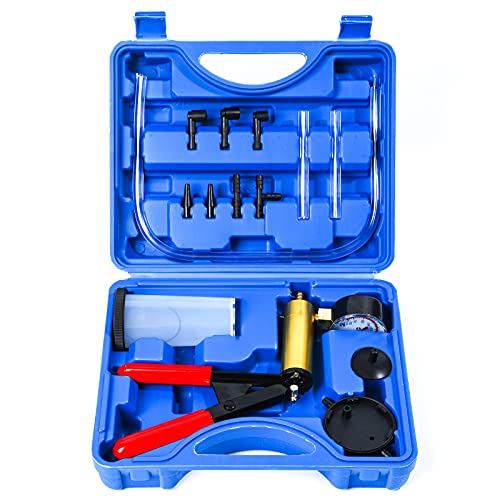
Versatile: Brake bleeder kit comes with a vacuum gauge to help you take accurate readings. Pressure range: 0-30 inches Hg, 0-760 mmHg. It includes accessories for brake bleeding and automotive diagnostics.
Engine Preparation
- Park Your Vehicle: Select a flat, safe area to park. This helps prevent any hazards during testing.
- Turn Off the Engine: Leave the engine off for a few minutes. This allows you to ensure the system is not under any pressure.
- Pop the Hood: Open the hood to access the brake booster and vacuum lines. Use safety glasses to protect your eyes while working.
- Inspect for Damage: Check the vacuum lines for cracks or wear. Look for loose connections around the brake booster.
Testing Process
- Connect the Vacuum Gauge: Attach the vacuum gauge to the brake booster vacuum line. Ensure you secure it tightly to prevent air leaks.
- Start the Engine: Start your vehicle and let it idle. Observe the vacuum gauge reading. A healthy brake booster usually shows between 18 inHg and 22 inHg.
- Apply the Brake Pedal: Press the brake pedal multiple times while monitoring the gauge. It should show a stable reading. A significant drop indicates potential issues with the booster.
- Shut Off the Engine: Turn off the engine and observe the gauge again. The reading should hold steady for a few minutes. If it drops quickly, there’s a leak in the system.
- Normal Readings: If your gauge shows readings within 18 to 22 inHg and maintains a stable level after tests, your brake booster functions well.
- Low Readings: Readings below 18 inHg may indicate a weak vacuum, suggesting a potential issue needing further investigation.
- Fluctuating Readings: Fluctuations during pedal application can point to a brake booster leak or a failing diaphragm.
- Rapid Drop: A quick drop in reading after engine shutdown suggests a potential air leak in the booster or vacuum lines.
Understanding these results helps diagnose any issues with your brake boosting system accurately. Always consult your shop manual for specific details related to your vehicle model.
Conclusion
Testing your brake booster vacuum is a vital step in maintaining your vehicle’s braking system. By following the steps outlined you can easily diagnose any issues that may arise. Keeping an eye on those gauge readings will give you peace of mind knowing your brakes are functioning properly.
Don’t forget to refer to your shop manual for vehicle-specific details. Regular checks can save you from bigger problems down the road. So grab your tools and get started on ensuring your brakes are in top shape. Safe driving starts with reliable brakes!
Frequently Asked Questions
What is a brake booster vacuum test?
A brake booster vacuum test checks the vacuum pressure in your vehicle’s brake booster. It ensures that the braking system operates efficiently, providing optimal stopping power.
Why is testing brake booster vacuum important?
Testing the brake booster vacuum is essential for safe driving. A faulty vacuum can lead to decreased braking performance, which can increase the risk of accidents.
How do I prepare my engine for a brake booster vacuum test?
Prepare your engine by parking on a flat surface, inspecting it for any visible damage, and connecting a vacuum gauge to the brake booster.
What steps are involved in testing the brake booster vacuum?
Start the engine and monitor the vacuum gauge readings. Apply the brake pedal while watching for stable readings, which indicates proper function.
What do the gauge readings mean during the test?
Normal readings indicate a good brake booster, while low, fluctuating, or rapid drop readings suggest potential issues that need further investigation.
Where can I find specific details for my vehicle’s brake booster system?
Always consult your vehicle’s shop manual for specific details on testing and diagnosing issues related to the brake booster system.
