
Have you ever noticed your engine running hotter than usual? It can be frustrating and worrying, especially if you rely on your vehicle every day. One often overlooked culprit could be a vacuum leak.
When air escapes from the intake system, it can throw off your engine’s balance, leading to all sorts of issues, including overheating. Understanding this connection is crucial for keeping your car in top shape.
Key Takeaways
- Vacuum leaks can disrupt the air-to-fuel ratio in your engine, leading to overheating and reduced performance.
- Common causes of vacuum leaks include cracked hoses, faulty gaskets, dirty throttle bodies, and malfunctioning PCV valves.
- Symptoms of overheating related to vacuum leaks include a rising temperature gauge, engine misfires, illuminated check engine light, and increased fuel consumption.
- Diagnosing vacuum leaks effectively involves observing specific signs and using tools like smoke testers, vacuum gauges, and soapy water.
- Timely repairs can prevent overheating; temporary fixes like duct tape and silicone sealant provide short-term relief, while long-term solutions include thorough inspections and component replacements.
- Regular maintenance is crucial for preventing vacuum leaks and ensuring optimal engine health.
Understanding Vacuum Leaks
Vacuum leaks occur when there’s an unintended gap in the engine’s intake system, allowing air to escape. This situation can disrupt the air-to-fuel ratio, leading to various engine issues, including overheating.
What Is a Vacuum Leak?
A vacuum leak refers to any opening that allows air to enter the engine without passing through the mass air flow sensor. This excess air causes the engine to run lean, meaning it gets too much air and not enough fuel. Symptoms of a vacuum leak include rough idling, increased fuel consumption, and a check engine light. It’s crucial to address vacuum leaks promptly to maintain optimal engine performance.
Common Causes of Vacuum Leaks
Vacuum leaks can stem from multiple sources. Here are some common causes:
- Hoses: Cracked or disconnected vacuum hoses can leak air. Inspect hoses regularly for wear or damage.
- Gaskets: Faulty intake manifold gaskets can create gaps, leading to leaks. Look for signs of oil or coolant leaks around the intake.
- Throttle Body: A dirty or improperly sealed throttle body can also cause leaks. Clean it regularly to ensure a tight seal.
- PCV Valve: A malfunctioning positive crankcase ventilation valve can lead to air escaping. Replace it if it shows signs of failure.
Identifying and fixing these leaks helps maintain engine temperature and performance.
The Relationship Between Vacuum Leaks and Overheating
Vacuum leaks can significantly impact engine performance and contribute to overheating. Understanding how these leaks affect your engine is essential for preventing potential damage.
Recommended Products

Smoke Machine for Automotive Repairs:This smoke machine provides an efficient leak detection solution, essential for automotive repair shops. It helps mechanics quickly identify leaks, ensuring accurate diagnostics. Ideal for car repair shops

HIGH PERFORMANCE, PREMIUM BUILD: Made in the USA. Solid Thick Metal Construction for durability. Equipped with our brand new AutoLine Pro Ceramic Smoke Coil and Top Rated Smoke Fluid that outputs LOTS OF SMOKE and last a Lifetime.
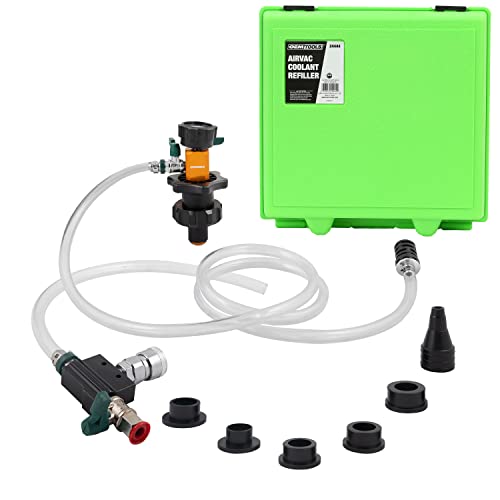
Efficient Cooling System Refill: The OEMTOOLS 24444 cooling system pressure tester kit quickly refills your vehicle's cooling system while eliminating trapped air, preventing engine damage.
How Vacuum Leaks Affect Engine Performance
Vacuum leaks disrupt the air-to-fuel ratio in your engine. This disruption causes the engine to run lean, leading to inefficient combustion. As a result, you may experience reduced power and acceleration. Over time, prolonged running of a lean mixture can overheat engine components and cause stress on vital systems. Increased air entering the intake can also lead to rough idling and unstable engine behavior.
Indicators of Overheating Due to Vacuum Leaks
You can observe several indicators that suggest overheating might stem from a vacuum leak. These include:
- Rising Temperature Gauge: A consistently elevated temperature gauge often indicates an overheating engine. If this accompanies other symptoms, a vacuum leak might be the cause.
- Engine Misfire: You may notice a rough-running engine or misfires due to improper air-fuel mixing from a vacuum leak.
- Check Engine Light: An illuminated check engine light frequently signals engine trouble. Codes related to lean conditions often indicate a vacuum leak issue.
- Increased Fuel Consumption: Running lean can cause the engine to compensate by using more fuel. Monitoring your fuel consumption can help identify underlying problems.
Addressing these symptoms quickly can help maintain your engine’s health and prevent costly repairs.
Diagnosing a Vacuum Leak
Diagnosing a vacuum leak is key to maintaining engine performance and preventing overheating. By being aware of signs and using the right tools, you can identify issues promptly.
Signs to Look For
- Temperature Gauge: Watch for a rising temperature gauge while driving. Consistent overheating can signal a vacuum leak.
- Engine Misfires: Noticeable misfires during acceleration may indicate a lean fuel mixture due to insufficient air.
- Check Engine Light: If the check engine light illuminates, it could point to various issues, including a vacuum leak.
- Increased Fuel Consumption: Higher-than-normal fuel usage often accompanies vacuum leaks as the engine compensates for lost air.
- Smoke Tester: Use a smoke tester to introduce smoke into the intake system. If smoke escapes, it confirms a leak.
- Vacuum Gauge: Connect a vacuum gauge to the engine to measure the vacuum. A lower reading can indicate a leak.
- Soapy Water: Spray soapy water on suspected areas, such as hoses and gaskets. Bubbling indicates escaping air.
- Propane Torch: Pass a propane torch near suspected leaks. If the engine RPM changes, it signals a leak.
By recognizing these signs and utilizing detection tools, you can effectively diagnose and address potential vacuum leaks before they lead to engine damage.
Solutions and Repairs for Vacuum Leaks
Prompt repairs for vacuum leaks maintain engine efficiency and prevent overheating. Identifying the right strategies ensures your vehicle runs smoothly.
Recommended Products
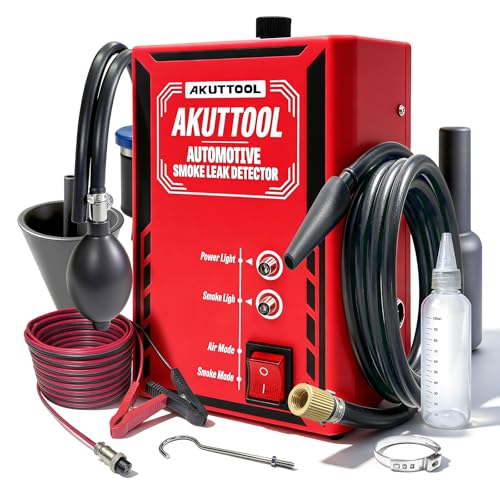
Compact & Easy to Operate: Start smoke leak detection in just three steps—1. Pour in smoke fluid, 2. Connect to power, and 3. Begin smoke diagnostics. This smoke machine is compact, easy to store, and highly portable, making it perfect for both car owners and professional shops.

【Wide Compatibility】Designed for comprehensive leak detection across multiple systems. This smoke leak tester connects to any standard 12V automotive battery to accurately identify leaks in throttle bodies, intake and exhaust manifolds, EVAP systems, fuel tanks, turbochargers, EGR valves, and engine cooling systems.

HyperSmoke Technology – Creates Thick Visible Smoke for Easy Leak Testing. Adjustable Pressure. Infinite Smoke. Instant Warmup. Built-In Air Compressor Motor. OEM Approved Smoke Fluid. Designed and Engineered by AutoLine Pro USA, an American Team of Individuals bringing the latest innovation to you.
Temporary Fixes
Temporary fixes offer quick relief until you can implement a permanent solution. Consider these options:
- Duct Tape: Use duct tape to seal cracked hoses. Ensure the surface is clean for better adherence.
- Silicone Sealant: Apply silicone sealant on small gaps or cracks in gaskets to minimize air intake issues.
- Basic Hose Replacement: If a hose shows visible wear, you can replace it with a new one from an auto parts store. This solution provides immediate benefits while you plan for more thorough repairs.
Long-Term Solutions
Long-term solutions involve a complete repair strategy to eliminate vacuum leaks. Follow these steps:
- Comprehensive Inspection: Inspect all hoses, gaskets, and connections for wear. Look for signs of damage or deterioration.
- Professional Diagnosis: Get a professional to use advanced diagnostic tools like a smoke tester to locate and assess leaks accurately.
- Replace Faulty Components: Replace any damaged hoses or gaskets. Ensure you use high-quality parts that meet OEM specifications.
- Regular Maintenance: Schedule regular engine inspections to catch potential leaks early. This proactive approach helps prevent future overheating and engine damage.
Implementing these solutions ensures a smoother-running engine and prevents complications arising from vacuum leaks.
Conclusion
Addressing vacuum leaks is crucial for keeping your engine running smoothly. Ignoring these leaks can lead to overheating and other serious issues that can put a strain on your vehicle. By staying vigilant for symptoms and using the right tools for detection, you can catch problems early.
Whether you opt for temporary fixes or seek professional help, taking action can save you from costly repairs down the line. Regular maintenance and inspections will go a long way in ensuring your engine performs at its best. Keep an eye on those gauges and trust your instincts to keep your ride in top shape.
Frequently Asked Questions
What are vacuum leaks in an engine?
Vacuum leaks occur when air enters the engine’s intake system unintentionally, disrupting the air-to-fuel ratio. This can lead to engine performance issues, including rough idling and overheating.
How do vacuum leaks affect engine performance?
Vacuum leaks can cause an unstable air-to-fuel mixture, resulting in symptoms like rough idling, misfires, and increased fuel consumption. Over time, this can damage engine components.
What are common causes of vacuum leaks?
Common causes of vacuum leaks include cracked or damaged hoses, faulty gaskets, and loose connections in the intake system, which can lead to performance issues.
What symptoms indicate a vacuum leak?
Signs of a vacuum leak include a rising temperature gauge, engine misfires, rough idling, and an increase in fuel consumption. If you notice these, diagnosing the issue is essential.
How can I detect a vacuum leak?
You can detect a vacuum leak using tools like a smoke tester, which reveals escaping air, and a vacuum gauge to test the intake manifold’s pressure. These tools help pinpoint leaks.
What are temporary fixes for vacuum leaks?
Temporary fixes for vacuum leaks include using duct tape or silicone sealant to cover cracks in hoses or gaskets. However, these solutions should be followed by a permanent repair.
What are long-term solutions for vacuum leaks?
Long-term solutions involve comprehensive inspections to locate leaks, professional diagnosis, replacing damaged components, and regular maintenance to ensure optimal engine performance and prevent future leaks.
