
Do you ever wonder how often you should vacuum your aquarium gravel? Keeping your fish tank clean can feel overwhelming, especially with all the different tasks involved in maintaining a healthy environment. You might notice debris settling in the gravel or even a buildup of waste that could harm your aquatic friends.
Key Takeaways
- Regular Vacuuming is Essential: Aim to vacuum aquarium gravel every 1-2 weeks to maintain a clean environment and ensure the health of fish and plants.
- Frequency Varies by Tank Size: Smaller tanks (under 20 gallons) may require weekly vacuuming, while larger tanks (over 55 gallons) can typically be vacuumed every 3-4 weeks.
- Consider Bioload and Fish Types: Higher bioloads and herbivorous fish produce more waste, necessitating more frequent vacuuming. Adjust your schedule based on your tank’s specific needs.
- Utilize Proper Tools: Use a gravel vacuum, siphon hose, and a clean bucket for effective debris removal, and combine vacuuming with water changes for optimal results.
- Observe Aquarium Conditions: Adjust your vacuuming routine based on water clarity, waste accumulation, and seasonal changes in fish activity to promote a healthy aquarium ecosystem.
Understanding Aquarium Gravel
Aquarium gravel serves as both a substrate and a habitat for beneficial bacteria. Proper maintenance, including regular vacuuming, ensures a healthy environment for your aquatic life.
Recommended Products
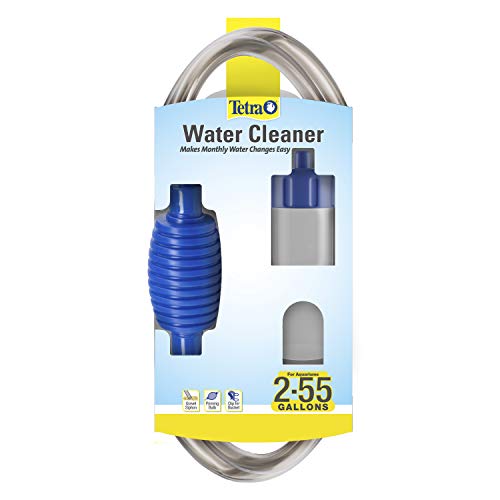
TETRA WATER CLEANER: Gravel siphon used to easily clean aquariums.
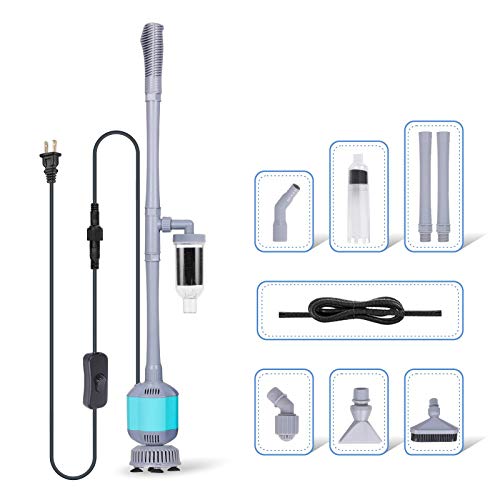
CLEANING FUNCTION: Our sand cleaner have four spliced rigid tubes, which can be extended from 11.4 inches to 40.5 inches according to the tank. With brush heads, each corner of the fish tank can be cleaned. Aquarium gravel cleaner can also be used with the duckbill suction port to suck dirt from the corner of the fish tank, and the dung can be easily sucked away

FUNCTION --- Easy to control, convenient to siphon fish faeces, impurities, turbid water out of fish tank.
Types of Aquarium Gravel
- Natural Gravel: This type comprises small stones and minerals. It’s often available in a variety of colors, making it visually appealing. Natural gravel supports beneficial bacteria crucial for maintaining the nitrogen cycle.
- Colored Gravel: This option features dyed stones. While aesthetically pleasing, colored gravel may not support bacteria as effectively as natural options. Always ensure dyes are safe for aquatic life.
- Sand: Fine sand can be ideal for certain species, especially those that like to dig or burrow. Sand requires careful handling during vacuuming to prevent disturbance to the substrate.
Importance of Vacuuming
Regular vacuuming prevents debris and waste accumulation. It keeps the water clean, enhancing the health of fish and plants. Ideally, aim to vacuum the gravel every 2-4 weeks, depending on the tank’s bioload. A tank with heavy feeding or multiple fish needs more frequent vacuuming.
- Removes Debris: Vacuuming helps remove uneaten food, dead plant matter, and fish waste, reducing harmful ammonia and nitrite levels in the water.
- Maintains Water Quality: Clean gravel supports the entire ecosystem. Regular maintenance leads to stable pH levels and clearer water, creating a thriving environment for your fish.
- Supports Beneficial Bacteria: Vacuuming encourages the growth of beneficial bacteria while preventing harmful bacteria buildup that can result from excess waste.
Implementing a consistent vacuuming routine protects your aquarium’s ecosystem and promotes the well-being of its inhabitants.
Factors Influencing Vacuuming Frequency
Vacuuming frequency isn’t one-size-fits-all. Several factors influence how often you should vacuum aquarium gravel, ensuring your aquatic environment remains healthy.
Size of the Aquarium
Larger aquariums often require less frequent vacuuming due to the volume of water. For tanks over 55 gallons, vacuuming every 3-4 weeks works well. Smaller tanks, especially those under 20 gallons, typically need vacuuming every 1-2 weeks. The smaller water volume accumulates waste and debris more quickly, impacting water quality.
Type of Fish and Plants
Fish diets directly affect waste levels. For example, herbivorous fish produce more plant debris, increasing the need for vacuuming. Additionally, if your aquarium has heavily planted areas, be cautious. These plants can trap debris, often requiring more frequent gravel cleaning to maintain water clarity and plant health. Observe your tank regularly; if you notice decay or excessive waste, adjust your vacuuming schedule accordingly.
Bioload Considerations
Bioload refers to the amount of organic waste produced by fish and plants. Higher bioloads necessitate more frequent vacuuming. For instance, tanks with multiple adult fish or aggressive feeders generate more waste, requiring vacuuming at least once a week. Conversely, smaller bioloads from fewer fish might only require biweekly vacuuming. Always assess the waste levels and adjust cleaning routines based on the specific demands of your aquarium’s inhabitants.
Recommended Vacuuming Schedule
Regular vacuuming of aquarium gravel ensures a clean and healthy environment for your aquatic life. Follow the guidelines below to establish an effective vacuuming routine.
Recommended Products
![QZQ Aquarium Gravel Cleaner [2026 Edition] Vacuum Fish Tank Vacuum Cleaner Tools for Aquarium Water Changer with Aquarium Thermometers Fish Net kit Use for Fish Tank Cleaning Gravel and Sand](https://m.media-amazon.com/images/I/51S+2N20RtL._SL500_.jpg)
Mufti-functional cleaning kit: Aquarium gravel vacuum cleaner kit is a mufti-functional aquarium cleaner that uses (adopts)the siphon design principle, which includes the aquarium, aquarium sand washing, algae scraping, fish excrement cleaning, aquarium residual debris, and aquarium water changing. Quick water change gives fish (provides)a clean and comfortable aquarium living environment.

FUNCTION --- Easy to control, convenient to siphon fish faeces, impurities, turbid water out of fish tank.
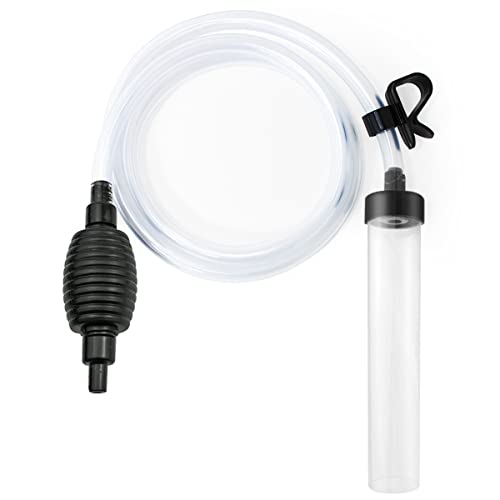
FUNCTION --- Easy to control, convenient to siphon fish faeces, impurities, turbid water out of fish tank.
General Guidelines
Vacuuming once every 1-2 weeks suits most aquariums. Consider these factors:
- Tank Size: Smaller tanks often collect waste faster, requiring weekly vacuuming. Larger tanks can typically go longer between cleanings.
- Fish Type: Herbivorous fish produce more waste, increasing the need for frequent vacuuming. Carnivorous fish typically create less detritus.
- Plant Coverage: Heavily planted tanks may require less frequent vacuuming, as plants help absorb nutrients and limit waste buildup.
Adjusting Based on Conditions
Evaluate your specific aquarium conditions to adjust your vacuuming schedule:
- Bioload: Higher bioloads from multiple fish or large fish means more waste. Increase cleaning frequency in these cases.
- Cloudy Water: If you notice cloudy water or uneaten food accumulating in the substrate, it’s time to vacuum, regardless of your regular schedule.
- Seasonal Changes: Certain fish may spawn during specific seasons, creating excess debris. Adjust your frequency during these times to manage waste.
Stick to these guidelines for a thriving aquatic environment. Regular maintenance promotes clean water, healthy fish, and stable water parameters.
Best Vacuuming Practices
Using proper vacuuming practices helps maintain a clean and healthy aquarium environment. Here are some tools and techniques to consider, along with tips for effective vacuuming.
Recommended Products

Perfect for Regular Water Changes: No messy drips, and a sturdy one way valve to improve suction. You can clear 30L in about 5 minutes with our aquarium siphon

Use for aquarium draining and filling water

Upgrade Metal Brass Sink Connector: build to last long term use. hygger Bucket-Free Water Change Kit makes aquarium maintenance work a breeze, saving lots of time and energy on cleaning the mess caused by carrying bucket back and forth, easy to assemble and use
Tools and Techniques
- Gravel Vacuum: Choose a gravel vacuum designed specifically for aquariums. This tool effectively siphons debris from the bottom while minimizing disruption to the substrate.
- Siphon Hose: A siphon hose, often included with gravel vacuums, allows for easy suction of waste and water. Make sure it’s durable and the right size for your tank.
- Bucket: Use a clean bucket to collect dirty water. A clear bucket lets you see debris and monitor waste levels.
- Water Conditioner: Always have a water conditioner on hand to treat new water before adding it back to the tank. This helps remove harmful chemicals and chlorine.
- Cleaning Brush: A small cleaning brush can assist in gently scrubbing algae or debris off decorations and surfaces.
- Vacuum Regularly: Stick to a routine, vacuuming every 1-2 weeks for most tanks. Adjust this based on tank size, fish types, and waste levels.
- Test the Water: Check water parameters like ammonia and nitrate levels before vacuuming. This ensures you’re aware of your tank’s needs.
- Target Debris: Focus on high-waste areas, like under decorations and along the substrate. Move slowly to allow the vacuum time to capture debris.
- Change Water: Combine vacuuming with routine water changes. Replace about 10-20% of the water to reduce toxins while vacuuming.
- Avoid Over-Vacuuming: Too much vacuuming can remove beneficial bacteria. Aim to vacuum thoroughly but infrequently to preserve these essential organisms.
- Know Your Fish: Observe how your fish react during the vacuuming process. Some species may hide or become stressed. Maintain a calm environment.
- Turn Off Equipment: Temporarily turn off filter and heater while vacuuming. This prevents debris from re-entering the tank and ensures safe cleaning.
Implementing these practices enhances your aquarium’s cleanliness and promotes a stable environment for your aquatic life.
Conclusion
Regularly vacuuming your aquarium gravel is key to keeping your aquatic environment healthy. By following the best practices and being mindful of your setup you can create a thriving habitat for your fish. Remember to observe your tank’s specific needs and adjust your routine accordingly.
With a little effort you’ll enjoy clearer water and happier fish. So grab your gravel vacuum and make it a part of your aquarium maintenance routine. Your underwater friends will thank you for it!
Frequently Asked Questions
What is the importance of vacuuming aquarium gravel?
Vacuuming aquarium gravel is crucial for maintaining a clean and healthy aquatic environment. It removes uneaten food, waste, and debris, which can harm water quality and fish health. Regular vacuuming helps prevent bacterial growth and promotes a balanced ecosystem in the aquarium.
How often should I vacuum my aquarium gravel?
The vacuuming frequency depends on your aquarium’s size and fish population. Typically, it’s recommended to vacuum every 1-2 weeks. However, monitoring water quality and fish behavior can help you determine when vacuuming is needed.
What tools do I need for vacuuming aquarium gravel?
You will need specific tools such as a gravel vacuum, siphon hose, buckets for water collection, water conditioners to treat any changes, and cleaning brushes for thorough maintenance. These tools help make the vacuuming process efficient and effective.
Can vacuuming disturb beneficial bacteria in my aquarium?
Yes, vacuuming can disturb beneficial bacteria that reside in the substrate. To minimize this impact, avoid over-vacuuming and focus on the top layer of gravel, where most debris accumulates without disturbing the beneficial bacteria significantly.
How can I tell if my aquarium needs vacuuming?
Signs that your aquarium needs vacuuming include visible debris on the substrate, cloudy water, and changes in fish behavior like lethargy or gasping for air. Regularly testing water parameters can also indicate when it’s time to vacuum.
Should I turn off equipment while vacuuming my aquarium?
Yes, it is advisable to turn off filters, heaters, and other equipment while vacuuming. This prevents debris from being circulated back into the tank and allows for better cleaning efficiency.
What should I do after vacuuming my aquarium?
After vacuuming, test your water parameters to ensure they are within safe levels. Replace the water you removed with conditioned water, and monitor the fish closely for any signs of stress or changes in behavior post-cleaning.
