
Ever wondered if you’re changing your vacuum bag often enough? It’s a common oversight that can affect your vacuum’s performance and your home’s cleanliness. If you’ve noticed your vacuum isn’t picking up dirt like it used to, it might be time to check that bag.
Key Takeaways
- Understand Bag Types: Familiarize yourself with different vacuum bag types (paper, cloth, HEPA) to choose the best option for your cleaning needs and to determine replacement frequency.
- Change Frequency: Replace vacuum bags every 2-4 weeks for high-traffic households or every 4-8 weeks for lower-traffic areas; factors like household size and flooring type affect this timeline.
- Monitor Performance: Look for signs like loss of suction, unpleasant odors, visible fill indicators, noise changes, and frequent clogs to know when it’s time to change the bag.
- Proper Maintenance: Use vacuum bags properly by avoiding overfilling, securing them correctly, and maintaining vacuum attachments to ensure optimal performance and longevity.
- Store Bags Correctly: Keep vacuum bags dry, avoid harsh chemicals, and protect them from direct sunlight to prevent damage and ensure effective use when needed.
Understanding Vacuum Bags
Vacuum bags play a crucial role in your cleaning routine. Knowing the types available and the significance of regular replacement helps maintain your vacuum’s performance.
Recommended Products
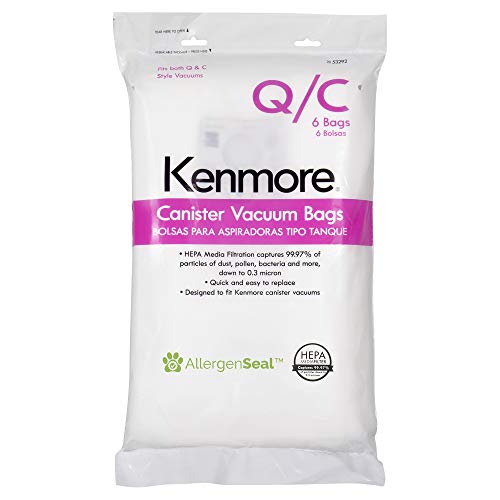
Fits Kenmore canister vacuum cleaners that use type Q replacement bags

9 EnviroCare Replacement Micro Filtration Vacuum Bags to fit Eureka Mighty Mite 3670 and 3680 Series Canisters
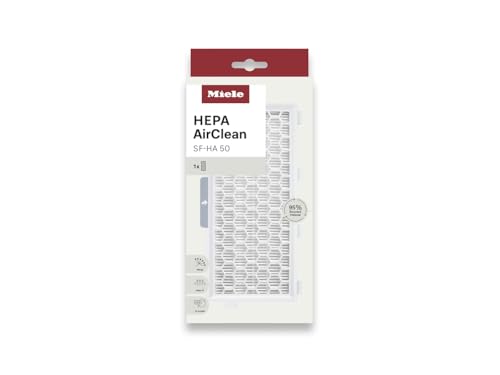
Use: Miele's SF-HA 50 HEPA AirClean Filter is compatible with Miele Guard M1 and L1, Complete C2 and C3, Compact C1 and C2 vacuum cleaners
Types of Vacuum Bags
- Paper Bags: These disposable bags capture dust and debris effectively. They’re widely used and usually inexpensive.
- Cloth Bags: Cloth bags can be washed and reused. They allow for better airflow and can hold larger amounts of dirt.
- Self-Emptying Bags: Designed for convenience, these bags automatically dispose of contents into a larger container. This feature reduces your contact with dust.
- HEPA Bags: High-Efficiency Particulate Air (HEPA) bags filter out tiny particles, making them ideal for allergy sufferers. They effectively trap pollen, dust mites, and pet dander.
Importance of Changing Vacuum Bags
Changing vacuum bags regularly ensures optimal suction power. Full bags can clog your vacuum, leading to reduced performance and increased wear on the motor. Aim to check your bag after every few uses, or at least once a month. If you notice reduced suction or increased noise levels, a bag change might be necessary.
Using a full bag can also lead to odors in your home. Dust and debris build-up create an unpleasant smell that lingers while you vacuum. Keeping your bag fresh helps maintain a clean scent in your environment. Regularly changing your vacuum bag keeps your cleaning efforts efficient and effective.
Factors Influencing Frequency
Changing your vacuum bag relies on several factors, each affecting how often you’ll need to make the switch. Understanding these factors optimizes your vacuum’s performance and ensures your home stays clean.
Type of Vacuum Cleaner
Bag types influence how often you should replace them. HEPA bags, designed to trap allergens, may need changing less frequently than standard paper bags. Self-emptying models often require fewer replacements than traditional vacuums because they deposit dirt into a separate container. Check the manufacturer’s recommendations for specific guidance.
Household Size and Activity Level
Larger households with pets or kids create more dirt and debris. In such cases, you might change the bag every 2-4 weeks. If your home experiences minimal foot traffic, a longer interval, around 4-8 weeks, could suffice. Frequent vacuuming removes pet hair and other particles, necessitating quicker bag changes.
Type of Flooring
Different floor types collect dust and debris at varying rates. Carpets trap more dirt than hard surfaces, leading to quicker bag fill-ups. If you primarily vacuum carpeted areas, plan to check your bag every month. For homes with mostly hardwood or tile, you might only need to replace it every couple of months.
Recommended Change Frequency
Changing your vacuum bag regularly plays a crucial role in maintaining suction power and overall cleanliness. Here’s a breakdown of recommended frequency based on various factors.
General Guidelines
Change your vacuum bag every 2-4 weeks for larger households, especially those with pets or children. For homes with light foot traffic, you might stretch changes to every 4-8 weeks. Check your bag monthly if you have carpeted floors, as they tend to fill bags faster. Hardwood and tile surfaces require less frequent changes; a bag can last longer in these conditions.
Signs You Need to Change the Bag
Monitor for these key indicators that signal it’s time for a bag change:
- Loss of Suction: If you notice reduced suction power, it might be due to a full bag.
- Unpleasant Odors: Foul smells may indicate that the bag is filled with dust and debris.
- Visible Bag Fill: Check the bag indicator if your vacuum has one. A full indicator means you need to change the bag.
- Noise Changes: Increased motor noise can suggest a clogged bag affecting performance.
- Frequent Clogs: If your vacuum is clogging frequently, it could be time to replace the bag.
By keeping an eye on these signs and adhering to the guidelines, you can ensure your vacuum remains effective and retains optimal performance.
Tips for Maintaining Vacuum Bags
Maintaining vacuum bags ensures they work efficiently and prolongs their lifespan. Use the following tips to enhance your vacuum’s performance.
Recommended Products

DUSTPROOF OXFORD FABRIC - Made of 420D with PVC coating, Enhanced dust-proof and waterproof effect, Keep the vacuum cleaner intact.

【Quality Fabric】 Upgraded 420D Oxford+PU Coating Material - Double High-grade Waterproof Performance: The Outer Layer use 420D dense fibers oxford material withstand more than 10,000 water . With higher strength and tear resistance, weather-resistant,dust-proof.

5-pack of Large size vacuum storage compression bags for storing off-season clothes, towels, linens, and more
Proper Usage Techniques
- Align the Bag Properly: Always secure the bag snugly to avoid air leaks.
- Avoid Overfilling: Change the bag when it reaches two-thirds full to maintain suction.
- Use Appropriate Settings: Adjust the vacuum settings based on surface type; this prevents excessive debris from clogging the bag.
- Clean Attachments Regularly: Clear brushes and filters to improve airflow, protecting the bag from early wear.
- Monitor Performance: If you notice decreased suction, check the bag immediately, as this may indicate it’s time for a change.
- Store in a Dry Place: Keep bags away from moisture to prevent mold and mildew growth.
- Avoid Harsh Chemicals: Don’t use aggressive cleaners that can degrade the bag’s material.
- Keep Away from Direct Sunlight: Prolong exposure to sun can weaken plastic or paper materials.
- Seal Properly: Once the bag is full, seal it tightly before disposal to prevent dust and allergens from escaping.
- Inspect Stock: Regularly check storage bags for damage or wear, ensuring optimal performance when needed.
Conclusion
Taking care of your vacuum bags is key to keeping your home clean and your vacuum running smoothly. By changing them regularly based on your household’s needs and following some simple maintenance tips, you can ensure optimal performance. Remember to keep an eye on your vacuum’s suction and adjust your bag-changing routine as necessary. A little attention goes a long way in making your cleaning efforts more effective and efficient. Happy vacuuming!
Frequently Asked Questions
How often should I change vacuum bags?
Changing vacuum bags every 1 to 3 months is generally recommended, but this can vary based on household size, activity level, and flooring type. Fewer changes may be needed with HEPA or self-emptying models.
What are the benefits of using HEPA vacuum bags?
HEPA vacuum bags filter out allergens and fine particles, improving indoor air quality. They are particularly beneficial for households with asthma or allergies, as they trap dust, pollen, and pet dander.
How can I tell when my vacuum bag needs changing?
Most bags have a fill line or indicator. Additionally, if you notice reduced suction power or increased noise, it’s a good sign that your vacuum bag may be full and needs changing.
What storage tips help maintain vacuum bags?
Store vacuum bags in a dry, cool place to prevent damage and reduce moisture. Keep them sealed and protected from sunlight to prolong their lifespan and maintain performance.
Can I reuse vacuum bags?
Generally, reusable vacuum bags are designed for flexibility. However, most disposable bags should not be reused as they can cause clogs and can compromise the vacuum’s performance.
What maintenance tips can help improve vacuum bag lifespan?
To enhance lifespan, align the bag correctly, avoid overfilling, use appropriate settings, and routinely inspect for damage. Regularly storing bags properly also ensures optimal performance.
