
Do you ever wonder how to keep your pool sparkling clean, especially when it has two skimmers? It can feel overwhelming, but maintaining a clean pool doesn’t have to be a chore. With the right techniques, you can tackle debris and dirt efficiently, ensuring your pool is always ready for a swim.
Key Takeaways
- Importance of Regular Vacuuming: Vacuuming your pool is essential for maintaining cleanliness, preventing algae growth, and ensuring a pleasant swimming experience.
- Types of Pool Vacuums: Familiarize yourself with different vacuum types—manual, automatic, and robotic—each serving unique cleaning needs and budget considerations.
- Preparation Essentials: Gather necessary equipment like a vacuum head, hose, and telescopic pole, and ensure skimmers and the pump are clear of debris before starting.
- Effective Vacuuming Technique: Vacuum slowly in sections, overlap movements for thorough coverage, and switch skimmers to maintain suction as debris accumulates.
- Addressing Common Issues: Monitor for clogs in the skimmer and use proper techniques to maximize vacuuming effectiveness for optimal pool cleaning results.
- Post-Vacuum Maintenance: Clean skimmers after each session and integrate regular pool care activities to maintain water quality and equipment efficiency.
Understanding Pool Vacuuming
Vacuuming your pool plays a vital role in maintaining its cleanliness and hygiene. Regular vacuuming helps keep the water clear, reduces chemical usage, and enhances the swimming experience.
Importance of Vacuuming Your Pool
Vacuuming removes debris, dirt, and contaminants that settle on the pool floor. Failing to vacuum can lead to algae growth, cloudy water, and other water quality issues. When you vacuum, you not only keep your pool inviting but also extend the life of your equipment. Consistent vacuuming also minimizes strain on your filtering system, resulting in lower maintenance costs over time.
Types of Pool Vacuums
Various types of pool vacuums exist, each designed to meet specific needs. Here are the main types:
- Manual Pool Vacuums
Manual vacuums require you to guide them around the pool. They are cost-effective and allow for precise cleaning but demand more effort on your part. - Automatic Pool Vacuums
Automatic vacuums operate independently. They save time and energy but may come with a higher upfront cost. Choose between suction-side, pressure-side, and robotic options based on your pool type and budget. - Robotic Pool Cleaners
Robotic cleaners navigate the pool autonomously, providing thorough cleaning for walls and floors. They are energy-efficient and require minimal maintenance, making them a popular choice among pool owners. - Skimmer Vacuums
Skimmer vacuums attach to your existing skimmer system. They help clear surface debris effectively and work well in conjunction with your two skimmers.
Understanding the importance and types of pool vacuums allows you to make informed decisions about maintaining a clean pool. Regularly vacuuming keeps your pool healthy and enjoyable.
Preparation for Vacuuming
Preparation plays a crucial role in effective pool vacuuming. By gathering the right equipment and ensuring your skimmer and pump are in optimal condition, you set the stage for a successful cleaning session.
Recommended Products

Pool Vacuum for Inground Pools with Hose package included: 1 * 1.5”x 24ft flexible pool hose, 1 * see-Thru weighted triangular pool vacuum head. Perfect for above ground and small inground pools.

For Manual Pool Cleaning Only – This swimming pool vacuum hose is designed for use with a manual vacuum head and standard telescopic pool pole (sold separately). NOT compatible with automatic or robotic pool cleaners.

{DEEP CLEAN}: This Hydrotools vacuum head is perfect for deep cleaning of all pool types. Featuring an extra-large rectangular cleaning area designed for optimal suction, this vac head picks up dirt quicker & more efficiently than the average cleaner
Gathering Necessary Equipment
You’ll need a few essential tools before vacuuming. Collect the following items:
- Pool Vacuum Head: Choose a vacuum head compatible with your pool type, whether it’s a manual or automatic model.
- Vacuum Hose: Use a suitably long hose to reach all areas of the pool. Ensure it’s free of kinks.
- Telescopic Pole: Attach the vacuum head to a telescopic pole for easy maneuverability.
- Cleaning Skimmer Net: A skimmer net helps remove larger debris before vacuuming.
- Bucket: Keep a bucket handy for hose and equipment storage.
- Water Hose (if needed): Fill the vacuum hose with water to prime it, preventing air locks.
Checking the Skimmer and Pump
You must inspect the skimmer and pump to ensure they function smoothly. Follow these steps:
- Empty the Skimmers: Clear any debris from both skimmers to allow optimal water flow. Check the skimmer baskets and remove leaves, twigs, or other materials.
- Ensure Proper Water Level: Maintain a water level that’s mid-ways up the skimmer opening. This prevents the pump from sucking air and losing suction power.
- Inspect the Pump: Check if the pump’s strainer basket is clean and free of debris. Clear blockages for efficient operation.
- Turn on the Pump: Ensure the pump runs without unusual sounds. If it’s making strange noises, consult a professional to avoid damage.
By preparing thoroughly, you’ll make your vacuuming process quicker and more effective, leading to a clean and inviting pool.
How to Vacuum a Pool with 2 Skimmers
Using two skimmers can enhance pool cleaning efficiency. To achieve the best results when vacuuming your pool, follow these detailed steps and tips.
Recommended Products

【Compatibility】ChangTa sp1106 skim vacuum plate adapter compatible with Hayward pool skimmer models SP1082, SP1084, SP1085, and SP1075 pool in-ground skim vac
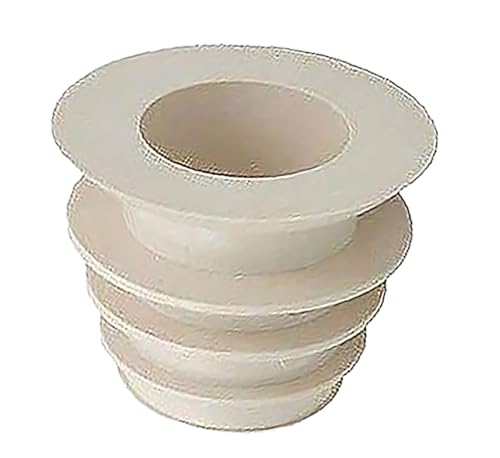
***Buyers BEWARE: This cone adapter ONLY fits 2" suction port of pool skimmer. It DOES NOT fit 1.5" suction port of pool skimmer. Most above-ground pools and lot of older pools have 1.5" suction port which will not fit this cone adapter. Please measure the diameter of pool skimmer suction port for compatibility before you purchase this item.

*** This 1.5 inch male/male hose coupling/connector is NOT SWIVEABLE. It can be used as a inside coupling to connect two 1.5" female pool hoses together.
Step-by-Step Process
- Gather Equipment
Collect all necessary tools: vacuum head, vacuum hose, telescopic pole, skimmer net, and bucket. - Prepare Skimmers
Remove skimmer baskets from both skimmers. Clean them thoroughly to prevent clogging. - Connect the Vacuum
Attach the vacuum head to the telescopic pole. Connect the hose to the vacuum head and ensure it’s secure. - Prime the Hose
Submerge the vacuum head to fill the hose with water. This step prevents air pockets, which can disrupt the vacuuming process. Hold the other end of the hose over one of the skimmers until water flows out. - Start Vacuuming
Place the vacuum head in the pool. Move slowly and methodically across the pool floor, overlapping slightly to ensure complete coverage. - Switch Skimmers
If debris accumulates in one skimmer, switch to the other skimmer as needed. This approach improves suction and maintains cleaning effectiveness. - Monitor Debris Buildup
Periodically check both skimmer baskets for debris. Empty them as necessary to keep water flowing smoothly. - Finishing Up
Once vacuuming is complete, remove the vacuum head and hose. Clean the equipment and store it properly.
- Work in Sections
Divide the pool into smaller sections for a thorough clean. This method helps focus on high-traffic areas where debris gathers. - Clean during Calm Weather
Choose a day with little wind. Wind can blow leaves and debris back into the pool while you clean. - Use Proper Technique
Vacuum slowly to avoid stirring up settled debris. Smooth, deliberate movements ensure effective cleaning. - Check Water Level
Ensure the water level is between the skimmer’s minimum and maximum lines. Low water levels can result in inefficient vacuuming. - Regular Maintenance
Maintain a consistent vacuuming schedule, such as once a week. Regular vacuuming reduces buildup and keeps your pool pristine.
Common Issues and Solutions
Pool vacuuming can present common issues that may interrupt the cleaning process. Recognizing these problems and implementing immediate solutions ensures a smooth vacuuming experience.
Clogs in the Skimmer
Clogs in the skimmer can occur, especially with heavy debris. Inspect the skimmer basket regularly to ensure it’s clear of leaves, twigs, and dirt. If you notice reduced suction, check for blockages. To resolve a clog, follow these steps:
- Turn off the pool pump for safety.
- Remove the skimmer lid and pull out the skimmer basket.
- Clean out any debris stuck in the basket and the skimmer throat.
- Rinse the basket with clean water.
- Replace the basket and skimmer lid, then restart the pump.
If clogs persist, ensure the main drain isn’t obstructed, as this can reduce water flow, affecting vacuuming efficiency.
Ineffective Vacuuming Techniques
Using improper techniques can lead to ineffective vacuuming. To maximize cleaning capabilities, utilize these strategies:
- Work in sections: Divide the pool into manageable areas, vacuuming one section at a time. This ensures thorough coverage.
- Slow, steady movements: Move the vacuum slowly to allow debris to be effectively captured. Quick movements can leave dirt behind.
- Brush before vacuuming: Brushing the walls and floor helps dislodge debris, making vacuuming more effective.
- Check hose air leaks: Ensure the vacuum hose is free from cracks or air leaks, which can diminish suction power.
- Maintain a consistent angle: Keep the vacuum at a consistent angle to engage the suction effectively and help pick up debris.
By addressing clogs and perfecting your vacuuming techniques, you can maintain a cleaner and healthier pool environment with ease.
Maintenance After Vacuuming
Proper maintenance after vacuuming keeps your pool clean and healthy. Follow these steps to ensure optimal performance and longevity of your pool skimmers.
Cleaning the Skimmers
Cleaning the skimmers is essential after vacuuming. Remove the skimmer lids and check the baskets. Empty any debris collected during vacuuming. Rinse the baskets with water to eliminate fine particles. Replace the baskets securely. Regularly clean skimmers to maintain water circulation, which helps prevent future clogs.
Regular Pool Care Tips
Incorporate regular pool care to enhance your maintenance routine.
- Test Water Chemistry: Check pH and chlorine levels bi-weekly for balanced water.
- Brush Walls and Steps: Brush surfaces weekly to prevent algae growth and debris accumulation.
- Run the Pump: Run your pool pump for at least 8-12 hours daily to circulate water and filter out contaminants.
- Inspect Equipment: Inspect pool equipment monthly for signs of wear or damage that could affect performance.
- Empty the Filter: Clean the filter regularly, depending on usage, ensuring efficient filtering.
By following these steps, you create a cleaner and healthier pool environment, making swimming more enjoyable.
Conclusion
Keeping your pool clean is key to enjoying those sunny days. By mastering the art of vacuuming with two skimmers you’re not just removing debris but also promoting a healthier swimming environment.
Remember to stay on top of your post-vacuuming tasks like cleaning those skimmers and checking your water chemistry. Regular maintenance will save you time and effort in the long run.
So grab your vacuum and get started. Your pool will thank you with crystal-clear water ready for a refreshing dip. Happy swimming!
Frequently Asked Questions
How often should I vacuum my pool with two skimmers?
Vacuuming your pool should generally be done once a week. However, you may need to vacuum more frequently if your pool is used often or if debris accumulates quickly. Regular maintenance helps keep your pool clean and enjoyable.
What equipment do I need to vacuum a pool effectively?
To vacuum a pool effectively, you’ll need a compatible vacuum head, a telescopic pole, a hose, and a skimmer. Ensure all equipment is in good condition for optimal performance, and consider a vacuum with adjustable settings for better control.
How do I prepare my pool for vacuuming?
Before vacuuming, skim the surface of the water to remove floating debris. Adjust the water level if necessary, and ensure the vacuum equipment is properly connected and functioning. This preparation makes the vacuuming process quicker and more efficient.
What technique should I use when vacuuming?
When vacuuming, move the vacuum head slowly across the pool bottom in straight lines, overlapping slightly to ensure all areas are cleaned. Avoid rapid movements, as this can stir up debris instead of capturing it.
What should I do after vacuuming my pool?
After vacuuming, check and clean the skimmer baskets and filter to ensure debris doesn’t clog the system. It’s also wise to test water chemistry and perform regular pool maintenance to keep the water clean and safe for swimming.
How can I maintain my pool beyond vacuuming?
Beyond vacuuming, maintain your pool by brushing surfaces weekly, running the pump daily, testing water chemistry regularly, inspecting equipment monthly, and cleaning the filter as needed. These steps help ensure a healthy swimming environment.
Why is it important to keep my pool clean?
A clean pool is essential for safety, comfort, and enjoyment. Regular maintenance prevents the growth of harmful bacteria, keeps water clear, and enhances the swimming experience, making it inviting and pleasant for users.
