
Ever wondered how to keep your HEPA filter vacuum running at its best? You’re not alone. Many people struggle with maintaining their vacuum, leading to reduced suction power and less effective cleaning.
Key Takeaways
- Understand HEPA Filters: HEPA filters are essential for trapping tiny particles, including allergens, which enhances your vacuum’s cleaning ability and air quality.
- Regular Maintenance is Key: Consistent cleaning and replacement of HEPA filters sustain performance, improve suction power, and prolong the vacuum’s lifespan.
- Proper Cleaning Techniques: Use a soft brush and mild detergent to clean the filter, ensuring thorough rinsing to prevent mold growth.
- Schedule Maintenance: Clean or replace your HEPA filter based on usage frequency, typically every 3-6 months for regular use.
- Recognize Replacement Signs: Be aware of loss of suction, visible damage, or persistent odors as indicators that it’s time to replace the filter.
- Additional Care Tips: Regularly check and empty the vacuum bag, inspect brushes and belts, and store the vacuum appropriately to maintain efficiency.
Understanding HEPA Filters
HEPA filters play a crucial role in the performance of your vacuum, impacting its ability to capture allergens and dust. Proper understanding of these filters enhances your cleaning routine.
What Is a HEPA Filter?
HEPA stands for High-Efficiency Particulate Air. A HEPA filter traps particles as small as 0.3 microns, including dust, pollen, and pet dander. These filters undergo rigorous testing to meet specific efficiency standards. For optimal effectiveness, ensure that your vacuum uses a genuine HEPA filter, as not all filters labeled as HEPA meet the required specifications.
Importance of Regular Maintenance
Regular maintenance of your HEPA filter is vital for several reasons:
- Sustained Performance: A clean filter maintains suction power, ensuring efficient cleaning.
- Allergen Reduction: A well-maintained HEPA filter captures more allergens, promoting better indoor air quality.
- Longevity: Routine cleaning prevents clogging, extending the lifespan of your vacuum.
Schedule filter maintenance based on your vacuum usage. If you vacuum frequently, clean or replace the filter every 3-6 months. For less frequent use, a longer interval might suffice. Always refer to the manufacturer’s guidelines for specific maintenance recommendations.
Preparing to Wash Your HEPA Filter
Cleaning your HEPA filter involves several important steps to ensure maximum efficiency. Start by gathering the necessary supplies and observing safety precautions.
Recommended Products

💪【Perfect Compatibility】Only compatible with AFNOP Acevac11 vacuum cleaner. Please check the Brand, Model and dimension carefully before purchase.

High-Efficiency HEPA Filtration: Engineered with advanced filter paper and durable plastic, these washable HEPA filters effectively capture fine dust, pollen, and debris—maintaining strong suction and cleaner air output for a healthier home environment.
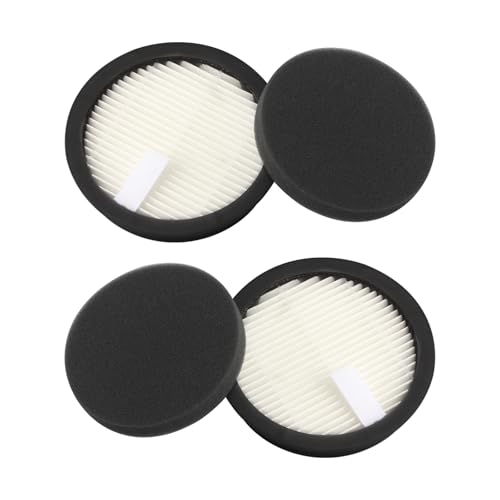
✅ PERFECT FITMENT: Specifically engineered to be fully compatible with the AceVac 11 Cordless Stick Vacuum Cleaner. These replacement filters are manufactured to precise dimensions, ensuring an airtight seal in your dirt cup to maintain maximum suction power.
Needed Supplies
- Soft Brush: Use a soft brush to gently remove dust and debris from the filter surface.
- Bucket: Fill a bucket with warm, soapy water for rinsing.
- Mild Detergent: Choose a mild detergent that won’t harm the filter material.
- Towel: Select a clean, dry towel to dry the filter.
- Water Source: Access a water source for rinsing the filter thoroughly.
- Unplug the Vacuum: Always disconnect your vacuum from the power source before starting the cleaning process to prevent accidents.
- Let the Filter Dry: Ensure the filter dries completely before reinserting it into the vacuum to avoid mold growth.
- Avoid Harsh Chemicals: Stay away from bleach or strong solvents that can damage the filter material.
- Wear Gloves: Consider wearing gloves to protect your hands from any dust or allergens that may remain on the filter.
By preparing effectively and following these steps, you’ll maintain your HEPA filter’s performance, ensuring it captures allergens and dust efficiently.
Step-by-Step Guide on How to Wash HEPA Filter Vacuum
Cleaning your HEPA filter vacuum helps maintain its efficiency and performance. Follow these steps for effective cleaning.
Removing the HEPA Filter
- Unplug the Vacuum: Safety first. Always unplug the vacuum before starting the cleaning process.
- Locate the Filter: Check your vacuum’s manual to find the HEPA filter. It’s usually located near the dust container or at the back of the vacuum.
- Remove the Filter: Gently twist or pull the filter out of its compartment. Take care not to damage any clips or latches.
Washing Techniques
- Use a Soft Brush: Lightly brush the filter to remove loose dust and debris. This step helps in loosening dirt without damaging the filter material.
- Wash with Mild Detergent: Rinse the filter under lukewarm water. Use a mild detergent if necessary. Avoid any harsh chemicals that could affect the filter’s integrity.
- Rinse Thoroughly: Make sure to rinse away all soap residue. Soap left on the filter can lead to mold growth.
- Shake Off Excess Water: After rinsing, gently shake the filter to remove any excess water.
- Air Dry Completely: Place the filter in a well-ventilated area or near a fan. Ensure it dries completely for at least 24 hours before reinserting it. Never use heat sources like hair dryers, as they can damage the filter.
- Reinsert the Filter: Once dry, place the filter back into its original compartment. Ensure it fits snugly to maintain optimal performance.
By following these steps, you can prolong the life and efficiency of your HEPA filter vacuum, ensuring it captures allergens and dust effectively.
Tips for Proper Maintenance
Maintaining your HEPA filter vacuum ensures optimal performance and a healthier environment. Regular checks and cleaning can prolong its lifespan and improve efficiency.
When to Replace the Filter
Replace the HEPA filter every 6-12 months. Signs that indicate filter replacement include:
- Loss of suction: If you notice a significant drop in suction power, it’s time for a new filter.
- Visible damage: Check for tears or holes that could disrupt filtration.
- Odors: Persistent odors during vacuuming suggest the filter might be saturated with dirt or allergens.
Refer to your vacuum’s manual for specific replacement guidelines as recommendations can vary by model.
Additional Cleaning Considerations
Consider these tips for effective HEPA filter vacuum maintenance:
- Check the vacuum bag or bin regularly: Empty it when full to maintain suction power.
- Inspect brushes and belts: Remove hair and debris that can impede performance.
- Store properly: Keep the vacuum in a dry, clean place to avoid dust accumulation.
Implement these practices to enhance your vacuum’s efficiency and prolong its life.
Conclusion
Taking care of your HEPA filter vacuum doesn’t have to be a chore. By washing the filter regularly and keeping an eye on its condition you’ll help it run smoothly and efficiently. Remember to check for signs of wear and tear and replace parts when necessary.
With a little effort your vacuum will not only last longer but also keep your home cleaner and healthier. So go ahead and give your vacuum the love it deserves. You’ll notice the difference in no time.
Frequently Asked Questions
What is a HEPA filter vacuum?
A HEPA filter vacuum is designed to capture small particles, allergens, and dust efficiently. It uses a High-Efficiency Particulate Air (HEPA) filter, which traps at least 99.97% of particles as small as 0.3 microns, making it ideal for allergy sufferers and promoting a cleaner environment.
How often should I maintain my HEPA filter vacuum?
You should maintain your HEPA filter vacuum every 3-6 months. Regular maintenance includes cleaning the filter, checking vacuum bags, and inspecting brushes and belts to ensure optimal performance and longevity.
How do I wash the HEPA filter?
To wash the HEPA filter, first, remove it from the vacuum. Rinse it gently under cold water without using any detergents, and let it air dry completely before reinserting it into the vacuum. Ensure that it is completely dry to prevent mold growth.
When should I replace my HEPA filter?
Replace your HEPA filter if you notice a significant loss of suction, visible damage, or bad odors emanating from the vacuum. Depending on usage, filters may need replacement every 6-12 months.
What should I check for during regular maintenance?
During regular maintenance, check the vacuum bags for fullness, inspect the brushes for hair or debris buildup, and examine the belts for any signs of wear. Proper care of these components helps maintain your vacuum’s efficiency.
How can I enhance my HEPA filter vacuum’s lifespan?
Enhance your vacuum’s lifespan by regularly cleaning the filter, checking bags, and inspecting brushes and belts. Proper storage away from damp areas and avoiding overuse will also contribute to better performance and durability.
