
Ever found yourself staring at a stubborn stain on your carpet, wondering how to tackle it? You’re not alone. Many people struggle with keeping their carpets clean, especially when spills happen. A wet and dry vacuum cleaner can be a game changer, making it easier to handle those tricky messes.
Key Takeaways
- Versatile Cleaning: Wet and dry vacuum cleaners can handle various tasks, including dry debris removal and liquid spills, simplifying your cleaning routine.
- Effective Stain Removal: Utilize powerful suction and wet cleaning modes to effectively extract deep stains, reducing drying time and preventing mold growth.
- Preparation Matters: Gather necessary supplies and assess your carpet’s fiber type, colorfastness, and durability to ensure effective cleaning without damage.
- Step-by-Step Operation: Follow a structured cleaning process including initial vacuuming, preparation, cleaning, rinsing, and drying for optimal results.
- Ongoing Maintenance: Regularly check filters, empty tanks, and clean hoses to maintain your vacuum cleaner’s performance and extend its lifespan.
Benefits Of Using Wet And Dry Vacuum Cleaners
Wet and dry vacuum cleaners offer unique advantages for maintaining carpet cleanliness. They simplify the cleaning process, making it more efficient when tackling various messes.
Versatility In Cleaning
Versatility defines wet and dry vacuum cleaners. You can use them for a variety of tasks, including:
- Dry Debris Removal: Safely suck up dust, dirt, and pet hair from your carpet.
- Liquid Spills: Quickly handle spills like water, coffee, or juice without damaging the carpet.
- Multi-Surface Capability: Clean carpets, hard floors, and upholstery with one machine.
This versatility eliminates the need for multiple cleaning devices, saving time and storage space.
Effective Stain Removal
Effective stain removal becomes easier with wet and dry vacuum cleaners. They utilize powerful suction to extract deep-set stains. Here’s how they work:
- Wet Cleaning Mode: Apply cleaning solutions directly to the carpet, loosening stains like red wine or ink.
- Extraction Process: The vacuum extracts the solution along with the contaminants, significantly reducing residue.
- Quick Drying: Using a vacuum reduces drying time, minimizing the risk of mold or mildew.
By addressing stains promptly and efficiently, you’ll maintain a cleaner, fresher carpet for longer.
Preparing For Carpet Cleaning
Before diving into carpet cleaning, it’s crucial to prepare adequately. Having the right supplies and understanding your carpet type contribute to effective cleaning.
Recommended Products

CORE ADVANTAGE. Vacuum wet/dry messes AND mop tough stains simultaneously—no pre-sweeping! Clean pet-messy floors faster and more efficiently.

EVERY PURCHASE SAVES PETS. Every purchase makes it possible for BISSELL to continue our support of BISSELL Pet Foundation and its mission of saving pets in need.
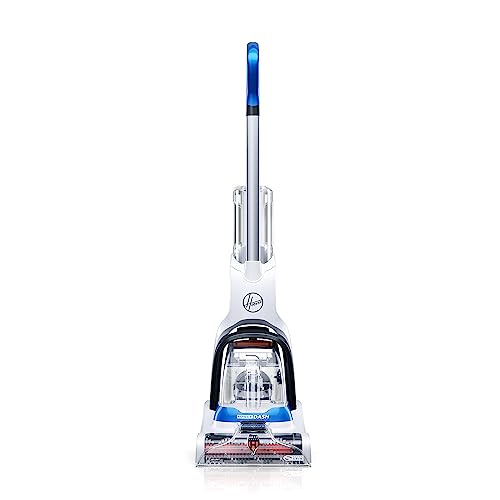
DEEP CLEAN PET MESSES IN MINUTES: Get more cleaning power with the Hoover Powerdash Pet, designed to eliminate stubborn pet stains, odors, and everyday spills from carpets and upholstery - perfect for pet owners and busy families.
Gather Necessary Supplies
- Wet and Dry Vacuum Cleaner: Select a model that efficiently handles both liquids and dry debris.
- Carpet Cleaning Solution: Use a solution compatible with your carpet’s fiber type to avoid damage.
- Measuring Cup or Scoop: Accurately measure the cleaner according to the manufacturer’s instructions.
- Soft Brush or Scrub Pad: For stubborn stains, a soft-bristled brush aids in loosening dirt.
- Microfiber Cloths: Keep cloths handy for wiping up spills and cleaning equipment.
- Water: Fill the vacuum’s tank with clean, warm water to optimize cleaning power.
- Identify Fiber Type: Determine if your carpet is made of wool, nylon, polyester, or another fiber, as this affects cleaning methods.
- Check for Colorfastness: Test a small, inconspicuous area first. Apply a bit of the cleaning solution and blot with a white cloth. If the color doesn’t transfer, it’s generally safe to clean.
- Evaluate Durability: Consider if your carpet can withstand moisture. Low-pile carpets usually handle wet cleaning well, while high-pile options may require caution.
- Inspect for Stains: Look for set-in stains or areas of heavy soiling. This examination helps you focus your efforts effectively.
Step-By-Step Guide On Using Wet And Dry Vacuum Cleaner For Carpet
Using a wet and dry vacuum cleaner effectively can transform your carpet cleaning routine. Follow these steps to ensure optimal results.
Initial Vacuuming
Start by vacuuming the carpet thoroughly. Remove loose dirt, dust, and debris to prepare for deeper cleaning. Choose the right vacuum attachment to reach corners and edges. Focus on high-traffic areas where dirt accumulates more. For large carpets, work in sections to ensure complete coverage.
Preparing The Vacuum Cleaner
Next, prepare your vacuum cleaner. Check the water tank to ensure it’s clean and empty. Fill it with the recommended carpet cleaning solution, following the manufacturer’s instructions for the right mixture. Attach the appropriate nozzle designed for carpets. Ensure all cords are in good condition and check for any clogs in the hoses.
Cleaning Process
Begin the cleaning process by applying the vacuum cleaner on the carpet surface. Start slowly to allow the machine to extract dirt and grime effectively. Use a back-and-forth motion for even coverage. For tough stains, press the solution button to apply extra cleaner directly onto the stain. Let it sit for a few moments before vacuuming again to enhance stain removal.
Rinsing And Drying
After cleaning, rinse the carpet with clean water to remove any leftover cleaning solution. Use the vacuum’s rinse feature or manually extract excess water. Follow up by running the vacuum over the carpet to aid in drying. Open windows and turn on fans to speed up the drying process. Avoid walking on the carpet until it’s completely dry to prevent new dirt from settling.
Tips For Maintaining Your Wet And Dry Vacuum Cleaner
Maintaining your wet and dry vacuum cleaner keeps it efficient and extends its lifespan. Regular checks and proper storage play critical roles in ensuring optimal performance.
Regular Maintenance Checks
- Inspect Filters: Check filters monthly for dirt buildup. Clean or replace filters as needed to maintain strong suction.
- Empty the Tank: Empty the collection tank after each use. Leaving debris can cause clogs and odors.
- Examine Hoses: Look for cracks or blockages in hoses. Clear any obstructions quickly to prevent reduced airflow.
- Test the Motor: Run the vacuum to listen for unusual sounds. If you hear grinding or excessive noise, consult a technician.
- Clean Brushes and Nozzles: Remove hair and debris from brushes and nozzles weekly. Clogged attachments can hinder performance.
- Store in a Dry Area: Keep your vacuum in a dry, cool space to prevent mold and deterioration.
- Use a Protective Cover: If possible, drape a cover over your vacuum. This protects it from dust and environmental factors.
- Avoid Tight Spaces: Store the vacuum upright and in a spacious area. Preventing pressure on hoses and tubing ensures longevity.
- Check Electrical Cords: Loosely coil the electrical cords. Avoid tight wraps, which can cause fraying or damage.
- Keep Accessories Organized: Use a storage container for attachments and accessories. This prevents loss and keeps everything in one place.
Conclusion
Using a wet and dry vacuum cleaner can transform your carpet cleaning routine. You’ll find it not only tackles tough stains but also keeps your carpets looking fresh and clean. By following the steps outlined and maintaining your vacuum properly you can enjoy a cleaner home with less effort.
Remember to take your time and be thorough during the cleaning process. With a bit of practice you’ll become a pro at using your vacuum for all kinds of carpet challenges. So go ahead and give it a try—your carpets will thank you!
Frequently Asked Questions
What are the benefits of using wet and dry vacuum cleaners on carpets?
Wet and dry vacuum cleaners are versatile tools that effectively manage and clean carpets, especially for tough stains. They combine both wet and dry cleaning capabilities, making them ideal for various cleaning tasks. Their powerful suction helps in deep cleaning, ensuring a thorough removal of dirt and stains, leading to fresher and cleaner carpets.
How do I use a wet and dry vacuum cleaner on my carpet?
Start by vacuuming the carpet to remove loose dirt. Prepare the wet and dry vacuum with a suitable cleaning solution. Focus on tough stains using the appropriate technique. After cleaning, rinse the carpet with plain water using the vacuum, and finally, dry it properly to avoid mold growth.
What maintenance tips should I follow for my wet and dry vacuum cleaner?
Regular maintenance includes inspecting and cleaning filters, emptying the tank after use, checking hoses for blockages, testing the motor’s efficiency, and cleaning brushes and nozzles. Store the vacuum in a dry place with a protective cover, keep it away from tight spaces, and organize accessories for optimal performance.
Can wet and dry vacuum cleaners handle all types of stains?
Wet and dry vacuum cleaners are effective on many stains, including spills, dirt, and grime. However, the effectiveness may vary based on the stain type, cleaning solution used, and how soon the stain is treated. For best results, address tough stains as soon as they occur.
How can I ensure my wet and dry vacuum lasts longer?
To prolong the lifespan of your wet and dry vacuum, perform regular maintenance checks, keep it clean, and avoid using it for inappropriate tasks. Store it properly, organize accessories to prevent misplacement, and handle it carefully. Regularly testing and replacing worn parts also helps maintain performance.
