
Key Takeaways
- Bleach as a Disinfectant: Bleach is effective at killing 99.9% of germs but must be diluted properly to avoid damage to surfaces and ensure safety.
- Surface Suitability: Only use bleach on non-porous surfaces like stainless steel and laminate; avoid using it on materials like wood, granite, or marble.
- Health Risks: Improper use of bleach can cause respiratory issues and skin irritation, emphasizing the importance of proper ventilation and protective gear.
- Effective Alternatives: Natural cleaners like vinegar, hydrogen peroxide, and lemon juice provide safe and effective cleaning options without harsh chemicals.
- Testing and Preparation: Always test any cleaner on a small, inconspicuous area of your counter before broader application to prevent unwanted damage.
- Eco-friendly Options: Consider using eco-friendly commercial cleaners for effective disinfection that are safe for kitchen use.
Have you ever wondered if bleach is a safe option for cleaning your kitchen counters? You’re not alone. Many people face the same dilemma when trying to keep their kitchen surfaces spotless and germ-free. With so many cleaning products out there, it’s easy to feel overwhelmed.
Using bleach can seem like a quick fix, but is it really the best choice? This article will help you understand the pros and cons of using bleach on your kitchen counters. You’ll learn about effective alternatives and best practices for maintaining a clean and safe kitchen. By the end, you’ll feel confident in your cleaning choices and know how to keep your kitchen sparkling without compromising your health.
Overview of Cleaning Products
Cleaning products play a vital role in maintaining a safe and hygienic kitchen. Here’s a breakdown of common options available for cleaning counters, including bleach and its alternatives.
Recommended Products

HYDROGEN PEROXIDE WIPES: These Clorox Healthcare wipes are registered to kill C. auris, 13 antibiotic resistant pathogens and multiple strains of MRSA; Package may vary
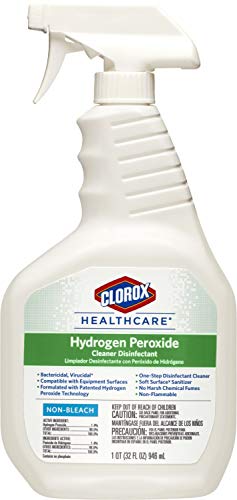
HYDROGEN PEROXIDE DISINFECTANT: Clorox Healthcare Hydrogen Peroxide Cleaner Disinfectant delivers great surface compatibility, low residue and fast kill times (1); pack may vary

One 16-fluid ounce bottle of first aid antiseptic
Bleach
- Disinfectant: Bleach is known for its strong disinfectant properties. It effectively kills bacteria and viruses.
- Dilution Required: Always dilute bleach with water for safe use. A common ratio is 1 tablespoon of bleach per gallon of water.
- Surface Considerations: Use bleach on non-porous surfaces like stainless steel or laminate. Avoid using it on wood or natural stone, as it can cause damage.
Other Disinfectants
- Hydrogen Peroxide: This is an effective alternative that disinfects as well as cleans. It’s safe for most surfaces and breaks down into water and oxygen.
- Vinegar: Vinegar is a natural cleaner that can effectively remove grime and disinfect. It’s not as potent as bleach but is safer for a wide range of surfaces.
- Commercial Cleaners: There are many eco-friendly, commercially available cleaners. Look for those labeled as disinfectants for effective results.
Practical Tips for Cleaning Counters
- Test Surface First: Always test any cleaning product on a small, inconspicuous area before broader application.
- Use the Right Tools: Microfiber cloths and non-abrasive sponges work best for cleaning without scratching surfaces.
- Follow Instructions: Read and follow any manufacturer’s instructions for specific cleaning products to ensure safe, effective use.
Considerations for Safety
- Ventilation: Ensure proper ventilation when using bleach or strong chemical cleaners. Open windows or turn on vents to dissipate fumes.
- Personal Protective Equipment: Wear gloves while cleaning with bleach to protect your skin. Consider a mask if you’re sensitive to strong odors.
This overview provides the necessary information to make informed decisions about cleaning kitchen counters. With the right products and practices, you can maintain a clean, safe kitchen environment.
Benefits of Using Bleach
Using bleach for cleaning kitchen counters offers unique advantages. It’s crucial, however, to use it safely and effectively.
Disinfectant Properties
Bleach serves as a powerful disinfectant. It kills 99.9% of germs, including bacteria and viruses. In a kitchen, this ensures food safety. When diluted appropriately, bleach eliminates harmful pathogens on surfaces. Always check for specific guidelines on diluting bleach for the best results.
Stain Removal Capabilities
Bleach excels at removing tough stains. It lightens and eliminates discoloration from various surfaces. For example, it effectively tackles stains from coffee or fruit juice. Apply diluted bleach directly on the stain, let it sit for a few minutes, then wipe it away. Always rinse the area thoroughly with water afterward to prevent residue buildup and ensure safety.
Risks of Using Bleach on Kitchen Counters
Using bleach on kitchen counters poses certain risks that you should consider before cleaning. Understanding these risks helps ensure your kitchen remains safe and healthy.
Surface Damage Potential
Bleach can cause damage to various counter materials. If your counters are made of granite, marble, or laminate, using undiluted bleach may result in discoloration or degradation. Explore these specific issues:
- Granite Countertops: Harsh bleach can dull the surface, making it less shiny over time.
- Marble Countertops: Acidic properties in bleach may etch the surface, leading to permanent damage.
- Laminate Surfaces: Prolonged exposure to bleach can weaken the adhesive, making the laminate peel or bubble.
Always test a small, inconspicuous area before applying bleach to the entire surface.
Health Considerations
Health risks arise from bleach’s strong chemical properties. When used improperly, bleach can create harmful fumes and irritate the skin. Pay attention to these health factors:
- Respiratory Irritation: Breathing in bleach fumes can cause coughing, throat irritation, or shortness of breath. Ensure proper ventilation when using bleach.
- Skin Contact: Direct contact with bleach may lead to burns or skin irritation. Always wear gloves during use.
- Toxicity with Other Chemicals: Mixing bleach with ammonia or other cleaners can produce toxic gases. Avoid combining cleaners to prevent dangerous reactions.
Safeguard your health by using bleach cautiously and opting for safer cleaning alternatives when possible.
Alternative Cleaning Solutions
When considering alternatives to bleach for cleaning kitchen counters, you have several effective options that maintain cleanliness without the associated risks.
Recommended Products

BACK TO SCHOOL ESSENTIAL: The Teachers' #1 Wipe (1), Clorox Disinfecting Wipes clean 2X more than the other guys (2) to help make back to school cleaning an easy decision

BACK TO SCHOOL ESSENTIAL: The Teachers' #1 Wipe (1), Clorox Disinfecting Wipes clean 2X more than the other guys (2) to help make back to school cleaning an easy decision

DISINFECTING WIPES: Clorox Disinfecting Wipes are proven to kill COVID 19 Virus* in 15 seconds; cleans and kills 99.9% of viruses and bacteria with powerful, 5x cleaning power* wipe; Package may vary
Natural Cleaners
Natural cleaners can safely disinfect and clean without harsh chemicals. Here are some effective options:
- Vinegar: Vinegar acts as a natural disinfectant. Mix equal parts of vinegar and water in a spray bottle. Spray the solution on the counter, let it sit for a few minutes, then wipe with a clean cloth.
- Baking Soda: Baking soda serves as a gentle abrasive cleaner. Make a paste with water, apply it to stubborn stains, scrub gently, and rinse thoroughly.
- Hydrogen Peroxide: Hydrogen peroxide disinfects surfaces and eliminates stains. Use a 3% solution, spray it onto the counter, let it sit for about 5-10 minutes, then wipe it clean.
- Lemon Juice: Lemon juice has natural antibacterial properties and helps remove odors. Squeeze fresh lemon juice onto the counter, let it sit for a few minutes, and wipe it away to leave a fresh scent.
Commercial Options
Many commercial cleaning products are designed for kitchen use and provide effective cleaning without bleach. Consider these options:
- Multi-surface Cleaners: Look for products labeled as safe for food contact surfaces. These often contain non-toxic ingredients that effectively clean and disinfect.
- Disinfectant Wipes: Choose wipes that specify they kill germs and are safe for kitchen use. They offer convenience and immediate cleanup.
- Eco-friendly Cleaners: Many brands offer sustainable options made from plant-based ingredients. Check the packaging for certifications like green seal or eco-friendly labels.
- Microwave and Oven Cleaner: These specialized products tackle tough stains and grease without the need for bleach. Follow the manufacturer’s instructions for safe use.
Always follow the product instructions and test in an inconspicuous area before full application. These alternatives ensure your kitchen counters stay clean and safe for food preparation.
Conclusion
Cleaning your kitchen counters is essential for maintaining a safe and healthy cooking environment. While bleach can be an effective disinfectant, it’s important to weigh its benefits against the potential risks.
You’ve got plenty of alternatives that can keep your counters spotless without the harsh effects of bleach. Natural options like vinegar and baking soda offer great cleaning power with fewer health concerns.
Ultimately, it’s all about finding what works best for you and your kitchen surfaces. With the right approach and a bit of caution, you can keep your counters clean and safe for your family.
Frequently Asked Questions
Is bleach safe for cleaning kitchen counters?
Bleach can be safe for cleaning kitchen counters when used properly. It’s a strong disinfectant that can kill 99.9% of germs. However, it must be diluted before use to minimize risks, and you should always test surfaces for compatibility first.
What are the risks of using bleach on kitchen counters?
Using bleach may damage certain counter materials like granite, marble, and laminate, causing discoloration or degradation. It can also irritate skin and respiratory passages, especially if proper ventilation and personal protective equipment are not used.
Are there effective alternatives to bleach for cleaning?
Yes, several effective alternatives to bleach include vinegar, hydrogen peroxide, baking soda, and lemon juice. These natural cleaners can disinfect and remove stains without the risks associated with bleach, making them safer choices for kitchen counters.
How should I properly use bleach for cleaning?
When using bleach, dilute it according to product instructions, usually with water. Always wear gloves and ensure good ventilation. Apply it to the surface, let it sit briefly, then rinse thoroughly with water to remove any residue.
What precautions should I take while using bleach?
Always wear gloves and, if possible, goggles to protect your skin and eyes. Work in a well-ventilated area to avoid fumes, and never mix bleach with other cleaners, especially ammonia, as this can produce dangerous gases.
