
Key Takeaways
- Steam Mops Are Effective for Grout Cleaning: They penetrate grout lines with high-temperature steam, effectively loosening and removing stubborn dirt and stains.
- Chemical-Free and Quick Drying: Steam cleaning sanitizes surfaces without harsh chemicals and evaporates quickly, reducing drying time and risk of water damage.
- Versatile Application: Suitable for various sealed surfaces beyond grout, including tile, linoleum, and some sealed hardwood floors.
- Key Features to Consider: Look for steam mops that reach at least 212°F, have adjustable steam settings, lightweight design, and specialized grout cleaning attachments for optimal performance.
- Best Practices Enhance Results: Prepare the area by clearing obstacles, pre-soaking tough stains, and using grout-specific tools while gliding the mop slowly for deeper cleaning.
- Regular Maintenance Ensures Longevity: Following manufacturer guidelines for use and upkeep will enhance the effectiveness and lifespan of your steam mop.
Have you ever stared at your tile floors and wondered how to tackle that stubborn, dirty grout? You’re not alone. Many people face the same challenge, and it can feel overwhelming to find an effective solution.
Overview Of Steam Mops
Steam mops provide a convenient solution for cleaning various surfaces, including tile floors. They utilize heated water to produce steam, which effectively loosens dirt and grime. Features may vary, but most steam mops include adjustable steam settings, washable pads, and lightweight designs. You can use them on sealed floors, laminate surfaces, and ceramic tiles.
Key Components
- Water Tank: Houses water, heating it to create steam.
- Steam Nozzle: Releases steam onto surfaces, targeting tough spots.
- Cleaning Pads: Replaceable pads that trap dirt and can be washed.
How They Work
Steam mops generate steam that penetrates surfaces. As steam contacts stubborn dirt, it breaks down tough stains without harsh chemicals. You don’t need to scrub hard; the steam does most of the work.
Benefits
- Chemical-free Cleaning: Ideal for those wanting to avoid harmful cleaners.
- Fast Drying: Steam evaporates quickly, leaving floors almost dry.
- Versatile Use: Suitable for multiple floor types and even some surfaces like countertops.
Limitations
- Not for All Surfaces: Avoid using steam mops on unsealed wood or laminate.
- Prep Work Needed: Clear areas and ensure surfaces are safe for steam cleaning.
Using a steam mop effectively depends on following manufacturer instructions. This ensures optimal cleaning and maintains the lifespan of your mop.
How Steam Mops Work
Steam mops operate using heated water to create steam that cleans and sanitizes surfaces effectively. The steam penetrates dirt and grime, making it easier to wipe away even the toughest stains.
The Science Behind Steam Cleaning
Steam cleaning works by raising water temperature to 212°F (100°C), which produces steam that expands and loosens debris. As steam travels through the mop head, it penetrates porous surfaces like grout, where traditional mops struggle. This high-temperature steam kills bacteria, germs, and allergens without harsh chemicals, promoting a healthier home environment.
Benefits Of Using Steam Mops
- Chemical-Free Cleaning: Steam mops clean surfaces without detergents, making them an eco-friendly option.
- Fast Drying Times: Steam evaporates quickly, leaving surfaces dry in minutes, reducing the risk of water damage.
- Versatility: Steam mops work on multiple surfaces. You can use them on tile, linoleum, and some sealed hardwood floors.
- Deep Cleaning: High-pressure steam reaches deep into grout lines, helping lift deep-set stains that other cleaners miss.
- Time-Saving: The efficiency of steam cleaning cuts down cleaning time, making it quicker to maintain floors.
By understanding how steam mops operate and their myriad benefits, you can decide if this tool suits your cleaning needs, especially for tackling pesky grout stains.
Do Steam Mops Clean Grout?
Steam mops effectively clean grout, making them a popular choice for maintaining tile floors. Heated steam penetrates grout lines, loosening dirt and stains that regular cleaning methods struggle to remove.
Recommended Products

SANITIZE WITH STEAM, NOT CHEMICALS. KILLS 99.9% OF GERMS, BACTERIA, & VIRUSES WHEN USED AS DIRECTED. Peace of mind for a cleaner home.

Powerful Steam Mop Cleaner: Steam cleaner is your reliable assistant for home cleaning or Christmas gift; Utilizing high-pressure steam effectively, heating up in just 10 seconds, reaching temperatures of up to 248°F to swiftly convert water into steam, equipped with 2 adjustable steam modes, effortlessly eliminating dirt, grease, and tough stains on various indoor and outdoor surfaces

Powerful Steam Mop Cleaner:Steam cleaner is your reliable assistant for home cleaning; Utilizing high-pressure steam effectively, heating up in just 10 seconds, reaching temperatures of up to 248°F to swiftly convert water into steam, equipped with 2 adjustable steam modes, effortlessly eliminating dirt, grease, and tough stains on various indoor and outdoor surfaces
Evidence And Research Findings
Research indicates that steam cleaning can eliminate up to 99% of bacteria and pathogens on surfaces. A study by the National Sanitation Foundation found that steam-cleaned grout becomes visibly cleaner and more hygienic. Users reported a significant reduction in grime and stains after steam mopping, with many seeing immediate results.
Comparison With Traditional Cleaning Methods
Traditional cleaning methods, like scrubbing with brushes and chemical cleaners, may require more effort and time. Steam mops offer several advantages over these methods:
- Efficiency: Steam mops clean grout faster than manual scrubbing.
- Chemical-Free: Steam cleaning removes dirt without harmful chemicals.
- Deep Cleaning: The high temperature of steam penetrates deeper than surface scrubbing.
Using a steam mop typically results in less physical labor and greater effectiveness, especially for tough grout stains.
For optimal results, maintain the steam mop regularly and follow manufacturer guidelines on usage and maintenance. This practice ensures longevity and performance when tackling those tricky grout areas.
Choosing The Right Steam Mop For Grout
Selecting the right steam mop helps ensure effective grout cleaning. Consider these essential features and product recommendations.
Features To Look For
- High Steam Temperature
Look for mops that reach at least 212°F (100°C). This temperature effectively breaks down tough stains in grout.
- Adjustable Steam Settings
Choose models with adjustable settings. Different surfaces or grout conditions require varying steam intensities for optimal cleaning.
- Specialized Attachments
Ensure the steam mop includes grout cleaning attachments, like brushes or nozzles. These tools focus steam pressure on grout lines, enhancing cleaning efficiency.
- Lightweight Design
Opt for lightweight mops for easy maneuverability. A lighter mop lets you clean longer without fatigue.
- Quick Heat-Up Time
Find a steam mop that heats water quickly. Rapid heat-up saves time when you’re ready to clean.
- Long Power Cord
Select a mop with a long power cord for better reach. This feature minimizes the need to find multiple outlets while cleaning.
Recommended Products
- Bissell PowerFresh Steam Mop
This popular mop offers adjustable steam, a lightweight design, and a mop pad specifically designed for grout cleaning. It heats up in 30 seconds, providing fast access to steam for those busy days.
- Shark Genius Hard Floor Cleaning System
This versatile cleaner features a dual-sided mop head and a steam blaster for tough stains. Its washable mop pads contribute to sustainability while keeping your grout clean.
- O-Cedar Microfiber Steam Mop
This model excels in effectiveness with its 99% bacteria elimination rate. It features a 20-foot power cord, allowing you to clean larger areas without unplugging.
- Dupray Neat Steam Cleaner
For deeper cleaning needs, this powerful steam cleaner offers a high steam temperature and comes with various attachments for scrubbing grout. It’s an excellent choice for those who frequently tackle stubborn stains.
Best Practices For Cleaning Grout With Steam Mops
Cleaning grout effectively requires preparation and the right techniques. Following these best practices enhances results and ensures a deeper clean.
Recommended Products
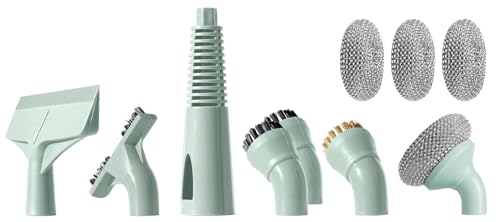
Replacement only fit for Newbealer all-in-1 steam mop & detachable handheld cleaner. Part Number is NB602N. You can also search B0DBHMVCPX or B0C2TTMVQM to find our steam mop

【Powerful & Fast Heating Steam Mop】With the 1200W steam mop that transforms water into high-pressure steam in just 12 seconds.Equipped with 2 adjustable steam modes, low setting for daily cleaning and delicate surfaces, or switch to the high setting for deep cleaning and sanitizing tough stains.It doesn't leave water stains and dries faster than a traditional mop

10-Second Heat-Up for Instant Cleaning: Say goodbye to long waits! Steam Mop heats up in just 10 seconds, releasing powerful 248°F (120°C) steam to soften stubborn stains. Perfect for busy households, this feature ensures quick and efficient cleaning without the hassle— making it the ideal choice for effortlessly refreshing your home before Christmas gatherings and ready for the New Year.
Preparation Steps
- Clear the Area: Remove furniture, rugs, and obstacles from the tiled space. A clear area allows for easier movement and thorough cleaning.
- Sweep or Vacuum: Eliminate loose dirt and debris before using the steam mop. This prevents particles from scratching the tile and enhances steam penetration.
- Pre-soak Stains: For tough stains, dampen the grout with water or a mild cleaner beforehand. Let it sit for about 10 minutes to loosen embedded dirt.
- Check the Steam Mop: Ensure your steam mop has a full tank of water and is set to the appropriate steam setting based on manufacturer guidelines. High heat operates best around 212°F (100°C).
Techniques For Effective Cleaning
- Use the Grout Tool: Attach any specific grout cleaning tool that came with your steam mop. These tools concentrate steam for better dirt removal.
- Move Slowly: Glide the steam mop slowly over grout lines. This allows steam to penetrate and dissolve grime effectively.
- Focus on Problem Areas: Work in sections, paying extra attention to heavily soiled grout lines. Repeat this process as necessary until the stains disappear.
- Wipe Away Residue: After steam cleaning, use a microfiber cloth to wipe away loosened dirt and moisture. This step prevents any remaining residue from settling back into the grout.
- Rinse with Water: Lightly mist the cleaned areas with clean water if residue remains. This further cleans the surface and enhances appearance.
Incorporating these steps and techniques into your grout cleaning routine maximizes the effectiveness of your steam mop, leading to brighter and cleaner tile floors.
Conclusion
Using a steam mop can be a game changer for cleaning grout. The combination of high-temperature steam and efficient design makes it easier than ever to tackle stubborn stains and grime. You’ll not only see immediate results but also enjoy a healthier home environment without the need for harsh chemicals.
By following the best practices outlined, you can maximize your steam mop’s effectiveness and keep your tile floors looking bright and fresh. With the right steam mop in hand and a little prep work, you can say goodbye to dirty grout and hello to a cleaner, more inviting space. Happy cleaning!
Frequently Asked Questions
What is the main benefit of using a steam mop on grout?
Steam mops effectively remove dirt and stains from grout lines by using high-temperature steam that penetrates surfaces. This method can eliminate up to 99% of bacteria and pathogens, providing a deep clean without harsh chemicals.
How do steam mops work?
Steam mops heat water to 212°F (100°C) to create steam. This steam expands and loosens grime, allowing for efficient cleaning and sanitizing of surfaces, including tile floors and grout.
Are steam mops safe for all floor types?
No, steam mops are not suitable for unsealed wood or laminate surfaces. It’s essential to check manufacturer guidelines to ensure compatibility with your flooring type.
How often should I clean my grout with a steam mop?
For best results, consider steam cleaning your grout every few weeks, or as needed based on its appearance and level of dirt. Regular maintenance helps keep grout looking fresh.
What features should I look for in a steam mop for cleaning grout?
When selecting a steam mop, look for high steam temperatures (at least 212°F), adjustable steam settings, specialized grout attachments, lightweight design, quick heat-up time, and a long power cord.
Can I use chemicals with a steam mop?
No, one of the key advantages of a steam mop is its ability to clean effectively without the use of chemical cleaners, making it a safer option for homes, especially with children and pets.
What preparation is needed before using a steam mop?
Prior to using a steam mop, clear the area of furniture, sweep or vacuum to remove loose dirt, and pre-soak tough stains to enhance cleaning effectiveness.
How do I maintain my steam mop?
To maintain your steam mop, regularly clean the water tank, wash or replace the cleaning pads, and follow manufacturer instructions for upkeep. This ensures optimal performance and longevity of the device.

