
Key Takeaways
- Importance of Kitchen Cleaning: Regular cleaning enhances health, reduces foodborne illness risks, boosts kitchen efficiency, and creates a welcoming atmosphere for family and guests.
- Essential Supplies: Use the right cleaning agents like all-purpose cleaner, dish soap, and natural options like vinegar and baking soda, along with necessary tools such as microfiber cloths and scrub brushes.
- Step-by-Step Guide: Begin with decluttering, followed by surface cleaning, appliance maintenance, and floor care, ensuring a systematic approach for better results.
- Avoid Common Mistakes: Sidestep issues like skipping decluttering, using wrong cleaning products, and neglecting high-touch areas to achieve effective cleaning outcomes.
- Routine Maintenance: Establish a regular cleaning schedule to prevent large messes and maintain a hygienic kitchen, making cleaning a manageable task rather than an overwhelming one.
Ever looked at your kitchen and wondered where to start with the mess? You’re not alone. It’s easy for clutter to pile up and grease to build up, making the heart of your home feel chaotic.
Why Cleaning Your Kitchen Is Important
Cleaning your kitchen enhances overall health. Clean surfaces reduce the risk of foodborne illnesses by eliminating bacteria. Regularly disinfecting countertops, cutting boards, and utensils helps maintain food safety.
Clutter impacts kitchen efficiency. A tidy kitchen allows for smoother meal preparation and quicker access to tools. When everything’s in its place, cooking becomes more enjoyable and less stressful.
Cleaner kitchens improve the aesthetic appeal. A sparkling kitchen is more inviting for family and guests. It fosters a positive atmosphere that encourages communal cooking and dining experiences.
Routine cleaning saves time in the long run. A well-maintained kitchen prevents major messes from accumulating. Instead of spending hours cleaning, you can dedicate that time to cooking or relaxing.
Minimizing allergens is another key benefit. Dust, mold, and other irritants can accumulate in neglected areas. Regular cleaning helps create a healthier environment, especially for those with allergies or respiratory issues.
Lastly, maintaining a clean kitchen contributes to a sense of pride in your home. A spotless kitchen reflects your care and attention to your living space, creating a welcoming environment for everyone.
Essential Cleaning Supplies
A clean kitchen requires the right supplies. Gather these essential items to make your cleaning routine efficient and effective.
Cleaning Agents
- All-Purpose Cleaner: Suitable for most surfaces, including countertops and stovetops. Look for non-toxic options for safety.
- Dish Soap: Effective for cutting grease and cleaning dishes. Use it for pots, pans, and kitchen gadgets.
- Baking Soda: Natural abrasive that tackles stains and odors. Mix it with water for a paste to scrub away tough grime.
- Vinegar: Great for disinfecting and deodorizing. Use it on glass surfaces for a streak-free shine.
- Bleach: Use cautiously for sanitizing surfaces like cutting boards or sinks. Always dilute it according to instructions.
Tools and Equipment
- Microfiber Cloths: Soft and absorbent, ideal for dusting and wiping surfaces without scratching.
- Scrub Brush: Use for tough stains on pots, pans, and surfaces. Choose one with durable bristles.
- Sponges: Plan to have different types, like non-scratch for delicate surfaces and heavy-duty for tougher tasks.
- Mop and Bucket: Essential for cleaning floors. Choose a mop designed to reach corners and tight spaces.
- Vacuum or Broom: Needed for sweeping up food particles and debris. A handheld vacuum can be useful for quick cleanups.
Equipping your kitchen with these supplies simplifies the cleaning process. You’ll tackle messes effectively, keeping your space inviting and hygienic.
Step-by-Step Kitchen Cleaning Guide
Cleaning your kitchen doesn’t have to feel overwhelming. You can tackle it effectively by following these organized steps.
Recommended Products

ALL PURPOSE CLEANER KILLS 99.9% OF VIRUSES and BACTERIA: Lysol All Purpose disinfectant spray kills 99.9% of viruses and bacteria including the COVID-19 virus to help keep your family protected

ALL PURPOSE CLEANER KILLS 99.9% OF VIRUSES and BACTERIA: Lysol All Purpose disinfectant spray kills 99.9% of viruses and bacteria including the COVID-19 virus to help keep your family protected
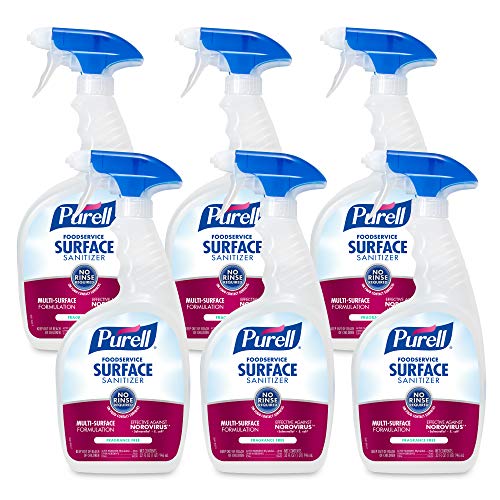
One-step sanitizer offers powerful germ-kill without harsh chemicals to provide a better overall experience for guests
Decluttering and Organizing
- Start with Surfaces: Clear countertops of non-essential items. Put away appliances and utensils.
- Sort Items: Check drawers and cabinets. Discard expired products and donate items you no longer use.
- Group Similar Items: Keep food items and kitchen tools together. This arrangement boosts efficiency during cooking and cleaning.
- Label Containers: Use labels for pantry items. Labels make it easier to find what you need during meal prep.
Surface Cleaning Techniques
- Choose the Right Cleaner: Use an all-purpose cleaner for counters, and a specialized cleaner for wood or stone surfaces.
- Wipe Down Surfaces: Start at the top and work your way down. This method prevents dirt from falling onto already cleaned areas.
- Pay Attention to Grime: For stubborn stains, apply baking soda or vinegar. Let them sit for a few minutes before scrubbing.
- Finish with Disinfection: Use a disinfectant spray on high-touch areas like faucet handles and light switches.
Appliance Cleaning Tips
- Refrigerator: Remove expired items first. Wipe shelves with warm, soapy water. Don’t forget the door seals.
- Oven: For built-up grease, use a commercial oven cleaner or a baking soda paste. Let it sit before wiping clean.
- Microwave: Place a bowl of water with lemon in the microwave. Heat for several minutes to loosen grime, then wipe down with a cloth.
- Dishwasher: Empty and clean the filter. Run a cycle with vinegar to remove odors and buildup.
Floor Care and Maintenance
- Sweep First: Clear crumbs and debris by sweeping the floor. This step preps the surface for deeper cleaning.
- Mop Regularly: Using a suitable floor cleaner, mop the floor. Focus on corners and under appliances where dirt often hides.
- Spot Clean Stains: For specific stains, use an appropriate spot cleaner. For instance, a mix of vinegar and water works well for sticky spots.
- Maintain with Rugs: Use washable rugs in high-traffic areas. These can catch spills and dirt, making regular cleaning easier.
By following these detailed steps, you can achieve a clean and organized kitchen that enhances both your cooking experience and the overall look of your home.
Common Mistakes to Avoid
Cleaning your kitchen efficiently requires avoiding common pitfalls. Here are several key mistakes to steer clear of to ensure your cleaning efforts yield the best results.
Skipping the Decluttering
Starting with cluttered surfaces makes cleaning tougher. Remove items from countertops, tables, and sinks first. This step provides a clean slate for effective cleaning.
Using the Wrong Cleaning Products
Using inappropriate cleaning products often leads to ineffective results. Choose products specifically designed for kitchen surfaces. For instance, use glass cleaner for windows and stainless steel cleaner for appliances. Avoid mixing chemicals, as it can create harmful reactions.
Neglecting High-Touch Areas
Ignoring high-touch areas can leave germs behind. Don’t forget to clean surfaces like cabinet handles, door knobs, and light switches. Use disinfecting wipes or sprays to tackle these spots regularly.
Failing to Plan the Process
Cleaning without a plan can waste time. Break down tasks into manageable sections. Focus on one area at a time, such as the countertops, followed by appliances, and then the floors.
Rushing Through Tasks
Rushing through cleaning tasks often leads to missed spots. Take your time to thoroughly clean surfaces. Pay attention to details, particularly in corners and behind appliances.
Not Sanitizing the Sponge
Using a dirty sponge can spread germs. After each cleaning session, sanitize sponges by soaking them in a mixture of bleach and water or microwaving them for a minute. Replace sponges regularly to maintain hygiene.
Forgetting About the Floors
Overlooking floors can allow dirt to accumulate. Sweep or vacuum before mopping to ensure a deep clean. Additionally, prioritize mopping areas that gather grease and spills.
Ignoring the Fridge Cleaning
Neglecting fridge upkeep means bacteria may thrive. Clean the inside every few weeks by removing expired items and wiping down shelves. Use a mixture of water and baking soda for an easy clean.
Skimping on Routine Maintenance
Establishing a routine cleaning schedule prevents major messes from piling up. Daily or weekly quick cleans maintain cleanliness without significant effort. Schedule deep cleaning every month for thorough maintenance.
By avoiding these common mistakes, you can maximize your kitchen cleaning efforts, leading to a cleaner, healthier space.
Conclusion
A clean kitchen can truly transform your home and make cooking a joy. By following the steps outlined in this guide you can create a space that’s not just tidy but also inviting. Remember to keep your cleaning supplies handy and tackle tasks regularly to prevent overwhelming messes.
Don’t forget to establish a routine that works for you. With a little effort and consistency you’ll find that maintaining a clean kitchen becomes second nature. Embrace the satisfaction that comes from a sparkling kitchen and enjoy the positive impact it has on your cooking and gatherings. Happy cleaning!
Frequently Asked Questions
Why is cleaning my kitchen important?
Cleaning your kitchen is essential for maintaining health, efficiency, and aesthetics. A clean kitchen reduces the risk of foodborne illnesses, makes meal prep smoother, and creates a welcoming atmosphere. Regular cleaning also minimizes allergens and fosters a sense of pride in your home.
What supplies do I need for cleaning my kitchen?
You’ll need essential cleaning supplies such as all-purpose cleaner, dish soap, baking soda, vinegar, and bleach. Additionally, have tools like microfiber cloths, scrub brushes, sponges, mops, and vacuums on hand to tackle different messes effectively.
What is the best way to declutter my kitchen?
Start by removing everything from surfaces and sorting items into categories. Group similar items together, decide which to keep or discard, and label containers for better organization. This process will create a more efficient space for cooking and cleaning.
How should I clean kitchen appliances?
For appliances like the refrigerator, oven, microwave, and dishwasher, use appropriate cleaners and methods. Wipe surfaces with all-purpose cleaner, clear out expired items from the fridge, and follow manufacturer instructions for deep cleaning the oven and dishwasher.
What common mistakes should I avoid when cleaning my kitchen?
Avoid skipping decluttering, using incorrect cleaning products, neglecting high-touch areas, and rushing through tasks. It’s also important to remember to sanitize sponges and maintain your fridge regularly to prevent messes from accumulating.
How often should I clean my kitchen?
Establishing a routine cleaning schedule is key. Daily tasks like wiping surfaces and washing dishes can prevent messes from piling up. Deeper cleaning tasks should be done weekly or bi-weekly to maintain a hygienic and organized kitchen space.
