
Key Takeaways
- Regular Maintenance is Essential: Keep your pocket knife in optimal condition through consistent cleaning to maintain its sharpness and prevent rust.
- Avoid Common Mistakes: Steer clear of using abrasive materials, neglecting the drying process, and improper storage to protect your knife’s integrity.
- Know the Cleaning Process: Familiarize yourself with the steps for cleaning, including disassembling, washing, and drying your knife properly.
- Utilize the Right Supplies: Use warm, soapy water, a soft brush, and mineral oil for effective cleaning and lubrication of your pocket knife.
- Establish a Cleaning Routine: Develop a regular schedule for cleaning, especially after heavy use, to prevent buildup and ensure smooth operation.
Do you ever find yourself wondering how to keep your pocket knife in top shape? Whether you use it for everyday tasks or outdoor adventures, a dirty knife can dull its edge and affect its performance.
Imagine reaching for your trusty pocket knife only to discover it’s caked in dirt or sticky residue. Not the best situation, right? Cleaning your knife doesn’t have to be a hassle.
Understanding Pocket Knife Maintenance
Maintaining your pocket knife is essential for its durability and performance. Regular cleaning prevents damage from dirt and residue, ensuring optimal function.
Importance of Cleaning Your Pocket Knife
Cleaning your pocket knife protects the blade’s sharpness and prevents rust. A clean knife operates smoothly and safely. Regular maintenance reduces the risk of injury caused by erratic movement due to grime. Additionally, a clean knife enhances its appearance, making it more enjoyable to use.
Common Uses of Pocket Knives
Pocket knives serve various purposes. Here are some common uses:
- Everyday Tasks: Use your knife for opening packages, cutting rope, or slicing fruit.
- Outdoor Activities: Rely on a pocket knife for camping tasks like preparing food or making kindling.
- Hobbies: Utilize it for woodworking, model building, or other crafts.
- Emergency Situations: Keep it handy for unforeseen scenarios, such as first aid or repairs.
Understanding these uses emphasizes the importance of keeping your knife clean and functional.
Steps for Cleaning a Pocket Knife
Cleaning a pocket knife doesn’t require advanced skills. Follow these steps to keep your knife in top condition.
Recommended Products
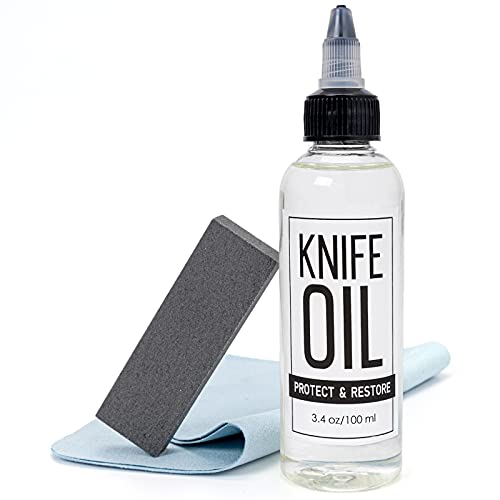
Professional Maintenance Oil: Specifically designed to maintain steel and carbon steel kitchen knives from rust and wear. Our blade oil works wonders on any type of blade, providing superior protection for your knife blades. A perfect kitchen knife oil for kitchen knives and a perfect knife oil lubricant for pocket knives, gardening equipment, and more.

3oz OF PROFESSIONAL BLADE OIL - 9x the volume of leading knife oils at a fraction of the cost. Covers your full knife collection. Pocket knives, fixed blades, multi-tools, and more. Also works beautifully as a honing oil and blade maintenance solution.
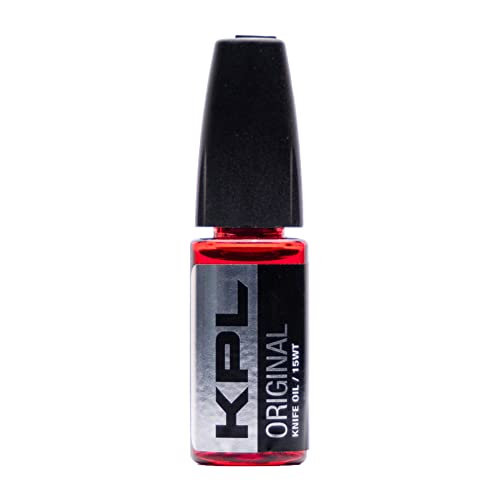
💧 KEEP YOUR EXPENSIVE KNIVES SMOOTH AND CLEAN: Our professional honing blade oil is the easiest, safest way to protect your knives from dirt, grit, and lint. Our knife lubricating oil prevents rust and keeps the moving parts of folding knives lubricated.
Gathering Necessary Supplies
- Warm water: Fill a bowl with warm, soapy water.
- Soft cloth: Use a clean, lint-free cloth to dry the knife.
- Toothbrush or soft brush: A brush helps remove dirt from crevices.
- Mineral oil or knife oil: Apply oil to protect and lubricate the blade.
- Rubbing alcohol: Sanitize components with alcohol if needed.
Disassembling the Knife (If Applicable)
- Check for screws: Use a screwdriver to remove screws holding the knife together.
- Separate components: Keep track of all parts, such as the blade, handle, and springs.
- Follow instructions: Refer to the manufacturer’s guidelines if you’re unsure about disassembly.
Cleaning the Blade
- Soak the blade: Submerge it in warm, soapy water for a few minutes.
- Scrub gently: Use a toothbrush or soft brush to clean the blade’s surface.
- Rinse thoroughly: Remove all soap residue with clean water.
- Dry immediately: Wipe the blade with a soft cloth to prevent rust.
Cleaning the Handle
- Wipe down the handle: Dampen a cloth with warm, soapy water and clean the surface.
- Inspect for buildup: Remove any dirt or residue, especially in grooves.
- Sanitize if necessary: Dab a cloth in rubbing alcohol to disinfect the handle.
- Dry completely: Ensure the handle is fully dry before reassembling the knife.
Drying and Reassembly
After cleaning, drying your pocket knife is crucial for preventing rust and maintaining its longevity. A proper drying technique ensures that all moisture is eliminated before reassembly.
Proper Drying Techniques
- Use a Soft Cloth: Pat the blade and handle dry with a soft cloth. This absorbs most moisture effectively.
- Air Dry: Allow the knife to air dry completely on a clean, dry surface for about 15-30 minutes. Ensure there is good ventilation to help evaporate any remaining moisture.
- Avoid Heat Sources: Never use a heat source, like a hairdryer or radiator, to speed up the drying process. Excessive heat can damage the handle and the blade’s material.
Reassembling the Knife
- Check for Moisture: Before reassembly, ensure all parts are completely dry. Any trapped moisture can cause rust.
- Align Components: Carefully align the blade and handle according to the manufacturer’s specifications to ensure proper fit.
- Insert Fasteners: If your knife uses screws or pins, insert them back into place. Use a small screwdriver or appropriate tool to tighten screws gently, avoiding overtightening.
- Test Functionality: Once reassembled, test the mechanism to ensure smooth operation. Open and close the knife several times to confirm everything moves correctly.
These steps help restore your pocket knife to optimal condition, ready for your next adventure or daily task.
Tips for Maintaining a Pocket Knife
Maintaining your pocket knife enhances its lifespan and performance. Here are some essential tips to keep it in top shape.
Regular Cleaning Schedule
Establish a routine for cleaning your pocket knife. Clean it after every use, especially if you’ve cut through sticky substances or food. For heavier use, a weekly or bi-weekly schedule works well. Regular cleaning prevents buildup, ensuring the blade remains sharp and the mechanism functions smoothly. Set reminders on your phone or add it to your calendar to stay consistent.
Avoiding Common Mistakes
Avoid these common pitfalls that can compromise your knife’s condition:
- Using Abrasive Cleaners: Don’t use steel wool or harsh chemicals. These can scratch and damage the blade.
- Skipping the Drying Step: After washing, dry your knife thoroughly. Moisture can lead to rust. Use a soft cloth and ensure no water remains in crevices.
- Neglecting the Pivot: Don’t overlook the pivot area. This is where dirt accumulates most. Clean it carefully for smooth operation.
- Improper Storage: Avoid storing your knife in damp environments. A dry, cool place prevents rust and corrosion.
By following these tips, you enhance both the functionality and longevity of your pocket knife.
Conclusion
Taking the time to clean your pocket knife is a small effort that pays off big in the long run. A well-maintained knife not only performs better but also lasts longer. By following the steps outlined and incorporating regular cleaning into your routine you’ll keep your knife in top shape for whatever tasks come your way.
Remember to treat your knife with care and avoid common pitfalls like using harsh chemicals or skipping the drying process. With just a bit of attention you can ensure your pocket knife remains a reliable companion for years to come. Enjoy the satisfaction of using a clean and functional tool every time you reach for it. Happy cleaning!
Frequently Asked Questions
Why is it important to clean my pocket knife regularly?
Cleaning your pocket knife regularly is crucial to maintain its performance and longevity. Dirt and sticky residue can dull the blade and lead to rust. A clean knife operates smoothly and safely and enhances its appearance, making it more enjoyable to use.
What supplies do I need to clean my pocket knife?
To clean your pocket knife, gather warm, soapy water, a soft cloth, a toothbrush, mineral oil, and rubbing alcohol. These supplies help you effectively scrub the blade and sanitize the handle for optimal performance.
How can I properly clean the blade of my pocket knife?
To clean the blade, disassemble the knife if applicable, then soak it in warm, soapy water. Use a toothbrush to scrub off any residue, ensuring to clean all edges. Rinse and dry thoroughly before reassembling.
What are some common uses for pocket knives?
Pocket knives are versatile tools commonly used for everyday tasks like opening packages, outdoor activities such as camping, hobbies like woodworking, and emergency situations. Understanding these uses emphasizes the need for regular maintenance.
How do I dry my pocket knife after cleaning?
To dry your pocket knife, use a soft cloth to wipe it down, ensuring all areas are dry. Allow it to air dry completely, and avoid heat sources that might damage any components of the knife.
What steps should I follow to reassemble my pocket knife?
When reassembling your pocket knife, ensure all components are moisture-free. Align the parts correctly and securely fasten any screws. Finally, test the knife’s functionality to confirm it’s working properly before use.
How often should I clean my pocket knife?
Establish a regular cleaning schedule based on usage. For knives used daily, cleaning once a week is ideal. For less frequently used knives, a monthly cleaning is recommended to maintain their performance and prevent rust.
What common mistakes should I avoid while cleaning my pocket knife?
Avoid using abrasive cleaners that can scratch surfaces, neglecting the drying step, or skipping the disassembly process if applicable. These mistakes can lead to damage and reduced functionality of your pocket knife.
How can I store my pocket knife to ensure its longevity?
Store your pocket knife in a dry environment, away from moisture and direct sunlight. A protective case or sheath can prevent scratches and keep the knife in optimal condition, enhancing its lifespan and performance.
