
Key Takeaways
- Understanding Coils: Electric stove coils are essential components that provide direct heat to cookware, requiring regular maintenance for optimal performance.
- Benefits of Cleaning: Regular cleaning improves cooking efficiency, enhances flavor, ensures safety by reducing fire risks, and increases the coils’ lifespan.
- Essential Cleaning Tools: Gather baking soda, vinegar, dish soap, soft cloths, scrub brushes, plastic scrapers, a bucket, and gloves for an effective cleaning process.
- Step-by-Step Cleaning Process: Properly clean coils by soaking, scrubbing, rinsing, and inspecting before reassembling them to ensure they function efficiently.
- Maintenance Tips: Incorporate daily wiping, weekly inspections, and gentle cleaning solutions to prevent residue buildup and damage to the coils.
- Avoid Common Mistakes: Do not use abrasive materials, soak coils, or resort to harsh chemicals, and ensure coils are completely cool before cleaning to maintain their integrity.
Have you ever looked at your electric stove coils and wondered how to get them clean? You’re not alone. Many people face the challenge of keeping these essential kitchen components spotless, especially after a few cooking mishaps.
Understanding Electric Stove Coils
Electric stove coils play a crucial role in cooking. They heat up quickly and provide direct heat to pots and pans. Knowing their function helps with proper maintenance and cleaning.
What Are Electric Stove Coils?
Electric stove coils are metallic heating elements found on many stoves. They consist of a coiled wire that heats when electricity passes through it. Many models utilize a simple design that’s easy to replace. The coils come in various sizes, typically small for simmering and larger for boiling.
Benefits of Cleaning Electric Stove Coils
Cleaning electric stove coils offers several advantages:
- Improved Efficiency: Clean coils heat your cookware more effectively, reducing cooking time.
- Better Flavor: Cleaner coils prevent old food particles from affecting the taste of your dishes.
- Safety: Regular cleaning minimizes the risk of smoke or fire hazards from built-up grease.
- Longevity: Maintenance extends the life of your coils, saving you money on replacements.
Regular cleaning of electric stove coils ensures optimal performance and a safe cooking environment.
Tools and Materials Required
Cleaning electric stove coils requires specific tools and materials to make the process efficient and effective. Gathering these items ahead of time helps streamline your cleaning routine.
Cleaning Solutions
- Baking Soda: Acts as a gentle abrasive, effectively removing grime without scratching the surface.
- Vinegar: Cuts through grease and mineral deposits, enhancing the cleaning power of baking soda.
- Dish Soap: A mild detergent that helps break down stubborn stains and dirt.
Essential Tools
- Soft Cloths or Sponges: Non-abrasive cloths gently scrub the coils without causing damage.
- Scrub Brush: Use a soft-bristled brush for tough spots that require extra scrubbing power.
- Plastic Scraper: Handy for removing any baked-on food debris without scratching the coils.
- Bucket: Holds your cleaning solutions, keeping everything organized while you work.
- Gloves: Protects your hands from harsh cleaning solutions and hot coils.
Having these tools and materials ready makes cleaning electric stove coils easier and ensures optimal results.
Step-by-Step Guide to Cleaning Electric Stove Coils
Cleaning electric stove coils doesn’t have to be complicated. Follow these simple steps to maintain your stovetop and ensure it functions efficiently.
Preparing the Stovetop
- Turn Off the Stove: Before starting, ensure that the stove is off and completely cool. This prevents burns and allows for safer cleaning.
- Remove Coils: Gently lift the coils from their sockets. If needed, refer to the manufacturer’s guidelines for removal procedures.
- Clear the Surface: Wipe down the stovetop with a damp cloth to remove loose debris. This preparation sets the stage for more effective cleaning.
Cleaning the Coils
- Soak the Coils: Fill a bucket with warm water and add a few drops of dish soap. Submerge the coils and let them soak for 10-15 minutes to loosen grime.
- Scrub the Surface: Use a soft-bristled scrub brush to scrub each coil. Focus on stubborn spots and avoid using abrasive materials that could scratch the surface.
- Use Baking Soda: For tough stains, create a paste with baking soda and water. Apply it to the affected areas and let it sit for a few minutes before scrubbing again.
- Rinse and Dry: Rinse the coils with clean water to remove soap and debris. Dry thoroughly with a soft cloth to prevent any residue.
Reassembling the Stove
- Inspect the Coils: Check the coils for any signs of wear or damage. If everything looks good, proceed with reassembly.
- Reattach the Coils: Line up the coils with the sockets and gently press them back into place. Ensure they are securely seated.
- Final Wipe Down: Wipe the stovetop once more with a damp cloth to remove any remaining cleaner or dust.
Following these steps keeps your electric stove coils clean and working efficiently, enhancing your cooking experience.
Tips for Maintaining Clean Electric Stove Coils
Keeping electric stove coils clean ensures effective cooking and extends their lifespan. Follow these practical tips for regular maintenance:
Recommended Products

MATERIAL: Black drip pans made from durability stick-free porcelain, electric stove burner drip pans provides a non-stick and non-staining surface, catch the food/oil water that drips during cooking, stove drip pans set of 4 easy to clean. Electric range burner elements made of non-metallic material with large resistivity, small temperature coefficient of resistance, low deformation at high temperature and not easy to embrittle, heats up quickly and the effect is stable

Large Canning Element & Heavy Duty Chrome Drip Bowl for Electric Ranges
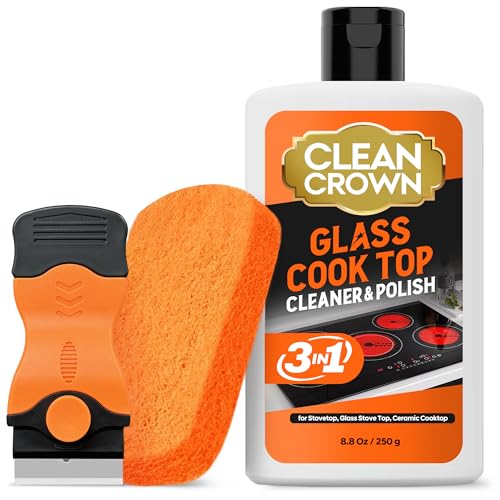
Effortless Stain Removal: Easily tackle tough, baked-on stains with our highly effective CleanCrown Cooktop Cleaner. Its powerful formula is specially designed to cut through grease, grime, and stubborn residues, making your stovetop gleam like new without scratching the surface.
Regular Maintenance Practices
- Wipe Daily: After each use, wipe the coils with a damp cloth to remove spills and food particles. This simple task prevents buildup.
- Inspect Weekly: Check for signs of damage or residue. Catching issues early saves time and effort later.
- Clean Grates: Frequently clean the stove grates as well, as accumulated grease can transfer to the coils.
- Use Appropriate Cleaners: Stick to gentle, non-abrasive cleaners to avoid scratches and damage. Baking soda and vinegar are safe choices.
- Store Coil Covers: If you use coil covers, clean and store them properly to maintain their condition.
Avoiding Common Mistakes
- Don’t Use Steel Wool: Steel wool can scratch coils, damaging their surface. Opt for a soft-bristled brush instead.
- Avoid Soaking Coils: Submerging coils in water can lead to electrical issues. Clean with damp cloths and a sponge.
- Skip Harsh Chemicals: Strong chemicals may corrode the metal. Stick to gentle ingredients for cleaning.
- Don’t Ignore the Stovetop: Clean the stovetop regularly to prevent spills from impacting the coils. It promotes better cooking performance.
- Always Cool First: Never attempt to clean coils while they’re hot. Allow them to cool completely to prevent burns.
Implementing these maintenance practices and avoiding common mistakes makes cleaning electric stove coils simpler and more effective, keeping your kitchen efficient and safe.
Conclusion
Keeping your electric stove coils clean doesn’t have to be a daunting task. By following the right steps and using simple household items, you can maintain their efficiency and ensure a safer cooking environment.
Remember that a little regular upkeep goes a long way in preventing stubborn stains and buildup. With just a few minutes of your time after each use, you can keep those coils shining and ready for your next culinary adventure.
So grab your cleaning supplies and get started. You’ll not only enjoy a cleaner stove but also enhance your cooking experience. Happy cleaning!
Frequently Asked Questions
How do electric stove coils work?
Electric stove coils are metallic heating elements that heat quickly and provide direct heat to cookware. When turned on, they generate heat that transfers directly to pots and pans, allowing for efficient cooking.
Why is it important to clean electric stove coils?
Cleaning electric stove coils helps improve their efficiency and cooking performance, enhances the flavor of dishes, reduces fire hazards, and prolongs their lifespan, ensuring a safer and more enjoyable cooking experience.
What materials do I need to clean electric stove coils?
To clean electric stove coils, you’ll need baking soda, vinegar, dish soap, soft cloths or sponges, a soft-bristled scrub brush, a plastic scraper, a bucket, and gloves to protect your hands during the process.
What is the best way to clean electric stove coils?
Start by turning off the stove and ensuring it’s cool. Remove the coils, soak them in soapy water, scrub with a soft brush, apply a baking soda paste for tough stains, rinse, dry, and inspect for damage before reattaching.
How can I maintain clean electric stove coils?
To maintain clean coils, wipe them after each use, inspect for damage weekly, and clean stove grates regularly. Use gentle cleaners and avoid soaking coils to keep them in optimal condition.
What mistakes should I avoid when cleaning electric stove coils?
Avoid using steel wool, harsh chemicals, or soaking the coils. Always wait for the coils to cool before cleaning, and ensure you wipe down the stovetop to prevent grease transfer to the coils.

