
Key Takeaways
- Importance of Cleaning: Regularly cleaning your Weber grill grates enhances food flavor, reduces health risks, extends the grill’s lifespan, and promotes even heat distribution.
- Essential Tools: Use a sturdy metal grill brush, scraper, heat-resistant gloves, damp sponge, and a bucket for effective cleaning.
- Cleaning Solutions: Mild dish soap, vinegar-water mixtures, baking soda pastes, and commercial grill cleaners are effective for breaking down grease and grime.
- Step-by-Step Process: Follow a structured approach: gather supplies, pre-clean, scrape, brush, soak, wipe, rinse, and dry to maintain clean grates.
- Maintenance Tips: Clean grates after each use, avoid neglecting cleaning, and perform deep cleaning every 1-2 months for optimal performance.
- Safety Precautions: Always let the grill cool before cleaning and use the right tools for your specific type of grates to prevent burns and damage.
Do you dread cleaning your Weber grill grates after a weekend barbecue? You’re not alone. Many grill enthusiasts find themselves staring at those charred, greasy grates, wondering where to start. A clean grill not only looks better but also ensures your food tastes great and lasts longer.
Importance Of Cleaning Weber Grill Grates
Cleaning Weber grill grates plays a vital role in maintaining your grilling experience. When you keep your grates clean, you enhance the overall flavor of your food. Residue from previous cookouts can transfer unwanted tastes to fresh meals.
Grill grates also impact health. Food debris can promote bacterial growth, leading to potential foodborne illnesses. Regularly cleaning grates reduces this risk and keeps everyone safe during barbecues.
Longevity of your grill is another crucial factor. Built-up grease and food particles can damage the grates over time. By cleaning them consistently, you preserve their integrity and extend your grill’s life.
Additionally, a clean grill promotes better heat distribution. When grates are free of obstruction, they heat evenly, reducing the chances of uneven cooking. This results in perfectly cooked food every time.
Lastly, maintaining cleanliness can enhance your grilling enjoyment. A clean grill looks inviting and reflects your dedication as a grill master. Taking the time to clean your grates boosts your pride in serving friends and family delicious meals.
Tools And Materials Needed
Cleaning Weber grill grates requires a few essential tools and materials. Gather the items below to make the process efficient and effective.
Recommended Products

Designed for heavy-duty grill cleaning
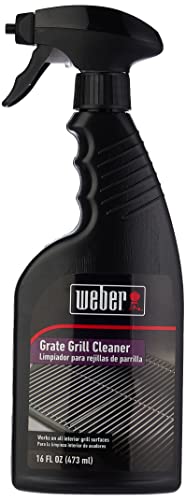
This 16 oz spray bottle of Weber Grill Grate Cleaner was engineered for use on cooking grate surfaces, including stainless steel and porcelain-enameled, cast-iron grates
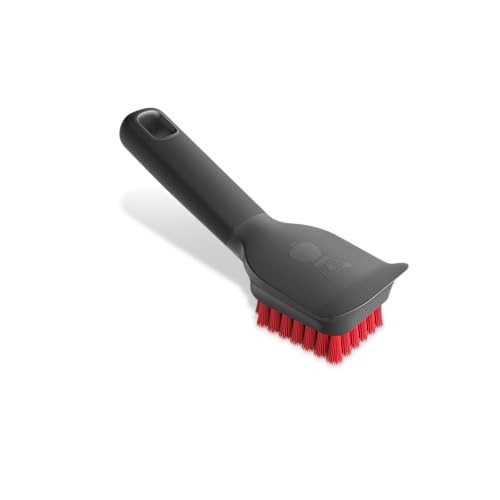
Multipurpose tool for grates, cookboxes, burners and more
Recommended Cleaning Tools
- Grill Brush: A sturdy, metal grill brush with nylon bristles works well on stainless steel grates. Use it after preheating the grill to loosen residues.
- Scraper: A putty knife or metal scraper helps remove stubborn residue. Choose one that fits between the grates for easy access.
- Gloves: Wear heat-resistant gloves to protect your hands from grease and heat while cleaning.
- Sponge or Cloth: A damp sponge or cloth assists in wiping down the grates after scrubbing. Ensure it’s suitable for heat resistance.
- Bucket: Use a bucket to hold soapy water or cleaning solutions for easier cleanup.
Cleaning Solutions
- Dish Soap: Mild dish soap mixed with warm water provides a safe and effective cleaning solution. It cuts through grease effectively.
- Vinegar: A mixture of equal parts water and white vinegar serves as a natural disinfectant. Vinegar breaks down grime and eliminates odors.
- Baking Soda: Creating a paste with baking soda and water offers an abrasive cleaner. Apply it directly to stubborn spots for better results.
- Commercial Grill Cleaner: For optimal results, consider using a commercial grill cleaner. Ensure it’s safe for the type of grates you’re cleaning. Follow the product instructions for best practices.
Having these tools and solutions on hand makes cleaning your Weber grill grates a straightforward task, enhancing your grilling experience each time you fire up the grill.
Step-By-Step Guide To Clean Weber Grill Grates
Cleaning Weber grill grates is essential for maintaining their performance and flavor. Follow this structured guide for effective cleaning.
Pre-Cleaning Preparation
- Gather Your Supplies: Collect a sturdy metal grill brush, a scraper, heat-resistant gloves, a damp sponge or cloth, and a bucket for soapy water.
- Turn Off and Cool Down: Ensure the grill is completely turned off and has cooled down for at least 30 minutes to prevent burns.
- Remove the Grates: Carefully lift the grates from the grill and place them on a flat surface to prepare for cleaning.
Cleaning Techniques
- Scrape Off Residue: Use a scraper to remove large chunks of food or grease stuck to the grates.
- Brush with Steel Brush: With the grill brush, scrub the grates thoroughly. Apply firm pressure and work in a back-and-forth motion to dislodge any remaining debris.
- Soak in Soapy Water: Fill the bucket with warm, soapy water and let the grates soak for 10-15 minutes. This step further loosens stubborn residue.
- Wipe Down with Sponge: After soaking, use a damp sponge to wipe the grates thoroughly. For extra cleaning power, dip the sponge in a vinegar-water mixture or a baking soda paste.
- Rinse and Dry: Rinse the grates under fresh water to remove any soap or cleaner. Dry them completely using a cloth to prevent rusting before reassembling them on the grill.
By following these steps, you ensure your Weber grill grates remain clean, enhancing your grilling experience and the flavors of your food.
Tips For Maintaining Clean Grates
Keeping your Weber grill grates clean ensures better grilling experiences and flavorful food. Here are some practical tips to help maintain those grates effectively.
Avoiding Common Mistakes
- Neglecting After-Use Cleaning: Clean your grates right after grilling. This prevents residue from hardening, making the next cleaning session easier.
- Using the Wrong Tools: Avoid wire brushes with bristles that can break off and end up in food. Opt for brushes designed for your type of grates, like stainless steel or nylon brushes.
- Overlooking Hot Grates: Always let the grill cool down before cleaning to avoid burns or injury. A cool surface is safer and easier to clean.
- Skipping Soaking: Don’t skip soaking grates in soapy water. It helps loosen stubborn grime and food particles, saving you time and effort.
- Forgetting to Rinse: Rinse off any cleaning solution thoroughly. Residues can affect the taste of your food during grilling.
Frequency Of Cleaning
- Pre-Grill Maintenance: Brush the grates before each use. This quick action removes debris and enhances food flavor.
- Post-Grill Cleaning: Clean the grates after each use to keep them in optimal condition. This practice prevents buildup and promotes even heat distribution.
- Deep Cleaning: Perform a deep clean every 1-2 months, depending on usage. Soak grates, scrub them carefully, and ensure they’re free from rust or damage.
- Seasonal Checks: At the start of grilling season, inspect grates for wear and tear. Replace any damaged brushes or tools to maintain optimal cleaning efficiency.
Conclusion
Cleaning your Weber grill grates might seem daunting but it’s a rewarding task that pays off in flavor and grilling enjoyment. By keeping your grates clean you not only enhance the taste of your food but also ensure a healthier cooking environment.
With the right tools and techniques at your fingertips you can make this process quick and easy. Regular maintenance will keep your grill in top shape and ready for your next barbecue.
So grab your grill brush and get to work. Your taste buds and your guests will thank you for it!
Frequently Asked Questions
How often should I clean my Weber grill grates?
It’s recommended to brush your grates before each use and perform a deep cleaning every 1-2 months. Post-grill cleaning after each use keeps your grill in top shape and prevents residue buildup.
What tools do I need to clean my grill grates?
Essential tools include a sturdy metal grill brush, a scraper for stubborn residue, heat-resistant gloves, a damp sponge or cloth, and a bucket for soapy water or cleaning solutions. These tools make the cleaning process effective and efficient.
What cleaning solutions work best for grill grates?
You can use mild dish soap, a vinegar-water mixture, a baking soda paste, or commercial grill cleaners. These solutions effectively remove grease and residue, ensuring clean and safe grates for grilling.
Why is it important to clean grill grates?
Cleaning grill grates prevents unwanted flavors from residues, reduces health risks from bacteria, and maintains the integrity of the grill. It also promotes better heat distribution for even cooking, enhancing your overall grilling experience.
What are common mistakes to avoid when cleaning grill grates?
Avoid neglecting after-use cleaning, using incorrect tools, skipping soaking, and forgetting to rinse cleaning solutions. Consistent maintenance ensures better performance and prolongs the life of your grill grates.
