
Key Takeaways
- Regular Cleaning is Essential: Frequent cleaning of your kitchen sink is crucial for maintaining hygiene and preventing bacterial growth, ensuring a safe cooking environment.
- Adapt Frequency to Usage: The cleaning frequency should be adjusted based on sink material and daily usage patterns; for example, daily meal prep requires more regular cleaning than occasional use.
- Daily and Weekly Routines: Implement daily rinsing and mild detergent usage, alongside a comprehensive weekly deep cleaning routine for disinfecting and checking for stains and buildup.
- Signs Your Sink Needs Attention: Look out for visible food particles, unpleasant odors, stains, grease buildup, and slow draining as indicators that it’s time to clean your sink.
- Importance of Drain Maintenance: Regular sink cleaning helps maintain drainage health, preventing clogs caused by food debris and ensuring smooth water flow.
- Enhancing Aesthetics and Safety: A clean sink not only improves the look of your kitchen but also minimizes risks, such as slips and falls, associated with dirty surfaces.
How often do you think about cleaning your kitchen sink? If you’re like most people, it might not be at the top of your to-do list. Yet, this often-overlooked task plays a crucial role in keeping your kitchen hygienic and your family healthy.
Importance Of Cleaning Your Kitchen Sink
Cleaning your kitchen sink plays a crucial role in maintaining overall kitchen hygiene. Sinks gather food particles, grease, and bacteria, making them a breeding ground for germs. Neglecting sink cleanliness can lead to various health issues.
Preventing Bacterial Growth
Bacteria thrive in damp environments. Regular cleaning removes food debris and buildup, which helps limit bacterial growth. You can use a mixture of soap and water or a 10% bleach solution to disinfect the surface effectively.
Enhancing Kitchen Safety
Dirty sinks can cause slips and falls due to greasy residues. Ensuring your sink stays clean reduces this risk, making your kitchen safer to navigate. Spot-check for spills and promptly address them.
Improving Aesthetics
A clean sink enhances the overall look of your kitchen. It creates a more inviting atmosphere for cooking and entertaining. Regularly scrub your sink with a gentle cleaner to keep it shiny.
Extending Lifespan of Fixtures
Cleaning your sink helps prevent stains and buildup that can damage fixtures over time. Minerals in hard water can corrode materials if left unattended. Rinse your sink and faucets regularly to ensure they maintain their functionality.
Maintaining Drain Health
Food particles left in your sink can clog drains. Regular cleaning prevents buildups that lead to drainage issues. Use a mixture of vinegar and baking soda once a month to keep your drains clear.
Prioritizing sink cleanliness not only ensures a hygienic cooking space but also fosters overall health and safety in your home.
Factors Influencing Cleaning Frequency
Cleaning your kitchen sink frequently depends on several key factors. Understanding these can help you establish an effective cleaning schedule.
Type Of Sink Material
Different materials require varied cleaning routines.
- Stainless Steel: Clean often to avoid water spots. Rinse after each use; deep-clean weekly.
- Porcelain: Wash regularly to prevent stains. Use gentle cleaners to avoid scratching.
- Composite: Clean as needed, but avoid harsh chemicals. A soft cloth works well for regular maintenance.
- Cast Iron: Rinse daily to prevent rust. Deep clean with a mild solution once a week.
Usage Patterns
Your sink’s usage directly impacts how often you should clean it.
- Daily Meal Prep: Clean after each use. Food particles and bacteria accumulate quickly.
- Frequent Cooking: Wipe down after cooking sessions. Use disinfectant wipes for added cleanliness.
- Occasional Use: Clean weekly. Even with less use, bacteria can settle, so don’t skip this step.
- Multiple Users: Increase cleaning frequency. If several people use the sink, germs spread faster, requiring more attention.
Adapting your cleaning schedule based on these factors helps maintain a hygienic kitchen environment.
Recommended Cleaning Frequency
Cleaning your kitchen sink regularly is crucial for hygiene. Here’s how often to clean based on daily and weekly routines.
Recommended Products

ALL PURPOSE CLEANER KILLS 99.9% OF VIRUSES and BACTERIA: Lysol All Purpose disinfectant spray kills 99.9% of viruses and bacteria including the COVID-19 virus to help keep your family protected

ALL PURPOSE CLEANER KILLS 99.9% OF VIRUSES and BACTERIA: Lysol All Purpose disinfectant spray kills 99.9% of viruses and bacteria including the COVID-19 virus to help keep your family protected
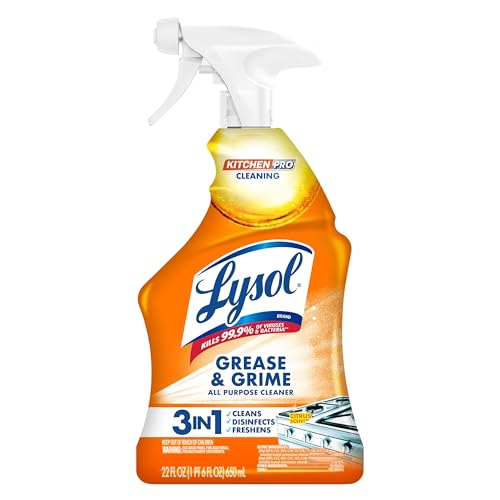
ELIMINATES 99.9% OF KITCHEN VIRUSES AND BACTERIA INCLUDNG SALMONELLA AND E.COLI: Lysol Pro Kitchen Cleaner is tested and proven to eliminate 99.9% of viruses and bacteria* (when used as directed). EPA Reg #777-91.
Daily Cleaning Tips
- Rinse after each use: Quickly rinse the sink with hot water to remove food particles and residue.
- Use a mild detergent: Apply a gentle dish soap with a sponge or cloth. Scrub all surfaces, including the faucet, handles, and surrounding areas.
- Dry the sink: Wipe the sink dry to prevent water spots and discourage bacterial growth.
- Spot check: Look for stains or buildup. Address them immediately to avoid them setting in.
Weekly Deep Cleaning Tips
- Disinfect the sink: Use a mixture of equal parts water and white vinegar as a natural disinfectant. Let it sit for about 10 minutes before rinsing.
- Clean drains: Pour baking soda followed by vinegar down the drain. This helps remove odors and loosen debris.
- Check for stains: Use a soft scrubber and a paste made from baking soda and water to tackle stubborn stains on stainless steel and porcelain sinks.
- Inspect fixtures: Look for signs of wear or buildup on faucet aerators and handles. Clean them as necessary to maintain functionality and appearance.
Following these guidelines ensures a clean, safe kitchen environment. Regular maintenance not only keeps your sink looking good but also contributes to overall kitchen hygiene.
Signs Your Sink Needs Cleaning
You can identify when your kitchen sink needs cleaning by watching for several signs.
Recommended Products

DURABLE AND RELIABLE: SetSail dish brush is made of durable hard bristles, which are wear-resistant, anti-flattening and not easy to deform. After use, it can be easily cleaned with soap without leaving any food residue and grease.

Powerful Cleaning: This cleaner helps eliminate build-up and smells in kitchen sinks and drains.

Fruit and Vegetable Cleaning Brush Set. Find immense joy in washing vegetables & dishes with our kitchen cleaning brush kit. It includes a large bottle brush, a long handle brush for dishes, a vegetable palm scrubber brush and 3 straw tube brushes. With a variety of kitchen brushes, you'll easily take on everyday dish cleaning removing even the most stubborn dirt.
Visible Food Particles
Look for leftover food debris. Food particles can collect in the basin, leading to unpleasant odors and attracting pests.
Unpleasant Odors
Notice any foul smells? A lingering odor often indicates bacteria buildup. Cleaning promptly can eliminate this issue and freshen the kitchen.
Stains and Discoloration
Check for stains from food, grease, or hard water. Stains can make the sink look unappealing. Regular cleaning helps prevent these marks.
Grease Buildup
Inspect the sink for a greasy film. Grease accumulates from food preparation. Clean the sink to remove this residue and maintain hygiene.
Slow Draining
Monitor how quickly water drains. A slow drain can signal buildup in the pipes, often caused by food debris. Clean your sink to help prevent clogs.
Change in Water Quality
If you notice changes in water clarity or taste, your sink might collect contaminants. Regular washing prevents such issues.
Frequent Usage
Pay attention to how often you use your sink. Increased use, especially during meal prep, elevates the need for more frequent cleanings. Clean after daily use to keep it fresh.
By keeping these signs in mind, you can ensure your kitchen sink remains clean and hygienic. Regular maintenance contributes to a healthier cooking environment.
Conclusion
Keeping your kitchen sink clean is more than just a chore; it’s a crucial step toward a healthier home. By adapting your cleaning routine based on your sink’s material and your usage patterns, you can ensure a sparkling and safe environment for food preparation.
Remember to pay attention to signs that indicate when it’s time for a good scrub. With a little effort each day and a more thorough clean weekly, you’ll not only enhance the look of your kitchen but also protect your family’s health. So grab that sponge and make sink cleaning a part of your routine; your kitchen will thank you!
Frequently Asked Questions
How often should I clean my kitchen sink?
You should clean your kitchen sink daily, especially if it’s used for meal prep. Rinse it after each use, and perform a thorough cleaning weekly to maintain hygiene and prevent buildup.
What materials require different cleaning methods?
Stainless steel sinks need frequent cleaning to avoid water spots, while porcelain sinks require regular washing to prevent stains. Adjust your cleaning routine based on the sink material for optimal care.
What are the signs that my sink needs cleaning?
Look for visible food particles, unpleasant odors, stains, grease buildup, slow draining, changes in water quality, and frequent usage as indicators that it’s time to clean your sink.
How can I clean my kitchen sink effectively?
For daily cleaning, rinse with water and use mild detergent. For a weekly deep clean, disinfect with a vinegar solution, clean drains with baking soda and vinegar, and address stubborn stains with baking soda paste.
Why is it important to clean my kitchen sink regularly?
Regular sink cleaning prevents bacterial growth, enhances safety by reducing slip hazards, improves the kitchen’s appearance, extends fixture lifespan, and promotes overall health in your home.
