
Key Takeaways
- Regular Maintenance is Crucial: Cleaning kitchen exhaust hood filters is essential for ensuring safety, efficiency, and compliance with health regulations.
- Follow Manufacturer Guidelines: Always adhere to the specific cleaning recommendations from your exhaust hood’s manufacturer for optimal performance.
- Adjust Cleaning Frequency Based on Cooking Habits: Monthly cleaning is recommended for heavy users, while moderate and light users can follow bi-monthly or quarterly schedules, respectively.
- Look for Signs of Needed Cleaning: Visible grease buildup and unpleasant odors are clear indicators that filters need immediate attention.
- Utilize Effective Cleaning Methods: Use DIY solutions for routine cleanings, but consider professional services for deeper cleanings or heavy grease buildup.
- Health and Safety Benefits: Regular filter cleanings improve air quality, reduce fire risks, and extend the lifespan of your kitchen equipment.
Do you ever wonder how clean your kitchen exhaust hood filters really are? If you’ve noticed a buildup of grease or a funky smell while cooking, it might be time to take a closer look. Neglecting these filters can lead to poor air quality and even fire hazards, making regular maintenance essential.
Importance Of Cleaning Kitchen Exhaust Hood Filters
Cleaning kitchen exhaust hood filters regularly ensures a safe and efficient cooking environment. Neglecting this task can lead to serious issues, affecting air quality and safety.
Benefits Of Regular Cleaning
- Improved Air Quality: Clean filters trap smoke, grease, and odors, ensuring you breathe fresh air while cooking.
- Enhanced Efficiency: Well-maintained filters allow exhaust systems to work effectively, preventing strain on the system and reducing energy costs.
- Safety Assurance: Regular cleaning minimizes flammable grease buildup, lowering the risk of kitchen fires.
- Longer Equipment Life: Proper maintenance extends the lifespan of your exhaust system, saving you money on replacements.
- Better Compliance: Meeting health and safety standards keeps your kitchen compliant with local regulations.
Consequences Of Neglecting Cleaning
- Grease Accumulation: Over time, filters can become clogged with grease, leading to reduced airflow and potential fire hazards.
- Odors and Contamination: Unclean filters can emit unpleasant odors, contaminating food and affecting your dining experience.
- Increased Fire Risk: Accumulated grease presents a serious fire threat, with potential catastrophic consequences.
- Higher Maintenance Costs: Ignoring regular cleaning can result in costly repairs or replacements due to lack of care.
- Poor Kitchen Environment: Neglected filters contribute to an overall unhealthy kitchen atmosphere, reducing your cooking enjoyment.
How Often To Clean Kitchen Exhaust Hood Filters
Cleaning kitchen exhaust hood filters maintains a safe and efficient cooking environment. Regular maintenance prevents grease buildup and enhances air quality.
Recommended Products

Universal OEM Range Hood Filter: Compatible with the vast majority of stove vent hoods, our premium aluminum filter is easy to install & maintain. A perfect replacement for models such as Whirlpool 833149, Rangeaire 610046, and RLP1102. Works with additional models including 883093, 883103, 1017892, 8190232, 14210156, C-6259, Broan R610045, R610050, SR610045, HD Supply 246838, and Rangeaire 610045, 610050. Broan BP57 SR610050
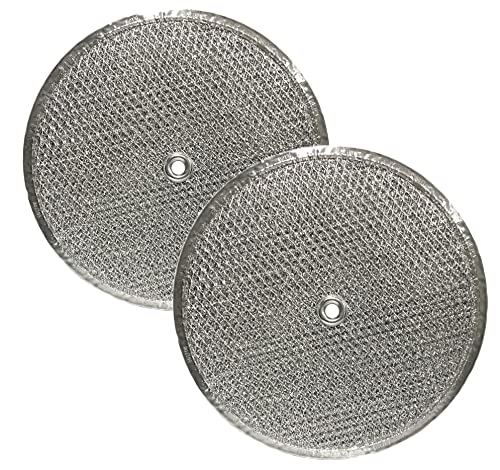
PART NUMBER: 9-1/2 Round x 3/32 With Center Hole Flat Range Hood Aluminum Grease Filter Replacement For Range Hood. Package Contains 2-Filters For Easy And Convenient Replacement.

GREASE CHARCOAL FILTER COMBO: This charcoal grease filter combo will protect your hood from grease while at the same time filtering out odors through its activated charcoal layer.
Manufacturer Recommendations
Check the manufacturer’s guidelines for your specific exhaust hood to determine the best cleaning schedule. Most manufacturers recommend cleaning filters every month, especially if you cook frequently. Some may suggest a bi-monthly or quarterly schedule for less intensive users. Following these guidelines ensures optimal performance and prolongs the life of the exhaust system.
Common Guidelines
Adhere to these common cleaning practices for kitchen exhaust hood filters:
- Monthly Cleaning: For heavy users, like those who cook daily or fry foods, clean filters at least once a month.
- Bi-Monthly Cleaning: For moderate users, you might clean every two months to control grease buildup effectively.
- Quarterly Cleaning: For light users, consider cleaning every three months, but stay vigilant for any noticeable grease accumulation or odors.
- Visual Checks: Inspect filters regularly. If you see grease buildup, clean them immediately regardless of the schedule.
By following these guidelines, you maintain efficiency and safety in your kitchen, ensuring a pleasant cooking experience.
Signs That It’s Time For A Cleaning
Several indicators suggest when it’s time to clean your kitchen exhaust hood filters. Staying alert to these signs helps maintain a safe cooking environment.
Visible Grease Buildup
Noticeable grease buildup on the filters signals a cleaning is necessary. If the filters appear dark or sticky, grease has accumulated. Regularly inspect filters for any residue, especially after cooking sessions with high oil content. A quick visual check shows whether it’s time to act.
Unpleasant Odors
Lingering unpleasant odors in your kitchen indicate it’s time for a cleaning. If the smell of cooked food or grease hangs in the air, the exhaust system may struggle to eliminate odors efficiently. Clean filters improve air quality and freshness. If odors persist despite cooking practices, check the filters immediately.
Cleaning Methods And Best Practices
Maintaining your kitchen exhaust hood filters involves adopting effective cleaning methods. This section outlines both DIY cleaning solutions and professional cleaning services.
DIY Cleaning Solutions
Cleaning your exhaust hood filters can happen at home with simple materials. Use the following steps for effective cleaning:
- Gather Supplies: You’ll need hot water, dish soap, and a brush or sponge.
- Remove Filters: Take the filters out of the hood. Check for any specific removal instructions in the manufacturer’s guidelines.
- Soak Filters: Submerge the filters in a mixture of hot water and dish soap. Let them soak for 15-30 minutes.
- Scrub Filters: Use a brush or sponge to scrub away grease and residue. Pay special attention to corners and crevices.
- Rinse and Dry: Rinse the filters thoroughly under running water. Let them dry completely before reinstalling.
- Inspect Regularly: Check the filters visually every month to ensure they’re clean and grease-free.
Professional Cleaning Services
For extensive grease buildup or hard-to-clean areas, consider hiring professional cleaning services. Here’s what to expect:
- Assessment: Professionals assess the condition of your exhaust system and filters.
- Deep Cleaning: They use specialized equipment and solutions to deep clean all parts of the system, including inaccessible areas.
- Compliance: Professional services follow health and safety regulations, ensuring a thorough and compliant cleaning process.
- Frequency: Schedule professional cleaning every 6 to 12 months, depending on usage and grease accumulation.
Choosing the right cleaning method for your exhaust hood filters enhances efficiency and maintains a safe cooking environment.
Conclusion
Keeping your kitchen exhaust hood filters clean is essential for a safe and pleasant cooking environment. By sticking to a regular cleaning schedule based on your cooking habits you can prevent grease buildup and maintain good air quality. Remember to keep an eye out for any signs that indicate it’s time to clean. Whether you choose to do it yourself or hire a professional, staying proactive about maintenance will not only enhance your kitchen’s efficiency but also ensure a healthier space for you and your loved ones. So grab those cleaning supplies and make filter maintenance a part of your kitchen routine.
Frequently Asked Questions
Why are kitchen exhaust hood filters important?
Kitchen exhaust hood filters are crucial for trapping grease and smoke during cooking. Maintaining them prevents grease buildup, which can lead to fire hazards, unpleasant odors, and poor air quality. Regular cleaning ensures a safe and efficient cooking environment.
How often should I clean my kitchen exhaust hood filters?
Cleaning frequency depends on usage: heavy users should clean monthly, moderate users bi-monthly, and light users quarterly. Always refer to the manufacturer’s guidelines and perform visual inspections regularly to catch any grease buildup early.
What are the signs that my exhaust hood filters need cleaning?
Signs that your exhaust hood filters need cleaning include visible grease buildup, lingering unpleasant odors in the kitchen, and reduced airflow from the exhaust system. Address these issues promptly to maintain efficiency and safety.
Can I clean kitchen exhaust hood filters myself?
Yes, you can clean your kitchen exhaust hood filters yourself. Gather supplies like dish soap, hot water, a scrub brush, and follow a step-by-step guide to soak, scrub, rinse, and dry the filters. Regular visual inspections are also recommended.
When should I hire a professional to clean my exhaust hood filters?
Hire a professional if there’s extensive grease buildup or if you want a thorough assessment of your exhaust system. It’s recommended to schedule professional cleanings every 6 to 12 months based on usage for compliance with health and safety regulations.
