
Key Takeaways
- Regular Cleaning: Always clean your carbon steel knife immediately after use to prevent food residue build-up and rust formation.
- Thorough Drying: Ensure your knife is completely dry before storage to minimize moisture exposure, which can lead to rust.
- Proper Storage: Use a knife block, magnetic strip, or blade guard for safe storage and to avoid scratches and damage.
- Regular Maintenance: Hone your knife monthly and apply food-safe oil periodically to maintain sharpness and protect against oxidation.
- Use Gentle Materials: Clean your knife with mild dish soap and a non-abrasive sponge to preserve the blade’s finish.
- Prioritize Food Safety: Regular cleaning and maintenance help prevent contamination, ensuring safe food preparation.
Do you ever wonder how to keep your carbon steel knife in top shape? You’re not alone. Many home cooks face the challenge of maintaining these beautiful, high-performance knives without damaging them.
Cleaning a carbon steel knife isn’t just about keeping it shiny; it’s essential for preserving its sharpness and preventing rust. With the right techniques, you can ensure your knife stays as effective as the day you bought it. This article will guide you through simple steps to clean and care for your knife, so you can enjoy cooking with it for years to come.
Importance Of Maintaining Carbon Steel Knives
Maintaining carbon steel knives plays a vital role in their functionality and longevity. Regular care ensures your knife stays sharp, which improves your cooking efficiency. It also prevents rust, a common issue with carbon steel due to its chemical properties.
Benefits of Proper Maintenance
- Enhanced Sharpness: Regularly honing and cleaning your knife contributes to better cutting performance. A sharp edge reduces effort while slicing, making your cooking experience smoother.
- Longevity: Taking care of your knife extends its lifespan. Proper maintenance helps avoid costly replacements and keeps your knife effective for years.
- Preventing Rust: Carbon steel is prone to rust if not cared for. By cleaning and drying your knife after use, you minimize moisture exposure, which significantly reduces rust risks.
- Aesthetic Appeal: A well-maintained knife looks better. Regular care removes stains and keeps the blade looking polished.
- Food Safety: Proper cleaning prevents contamination. Food particles left on the blade can lead to foodborne illnesses.
Practical Maintenance Tips
- Clean Immediately: Wash your knife after each use. Hot water and mild detergent effectively remove food residue.
- Dry Thoroughly: Wipe your knife with a clean towel right after washing. Ensure it’s completely dry before storing.
- Store Properly: Use a knife block, magnetic strip, or blade guard to keep your knife protected. Avoid overcrowding, which can cause scratches.
- Regular Sharpening: Hone your knife with a whetstone or honing rod at least once a month. This maintains its edge and improves cutting efficiency.
- Oil the Blade: Apply a light coat of mineral oil periodically. This protects against moisture and keeps the blade from oxidizing.
By following these maintenance practices, you ensure your carbon steel knife remains in excellent condition and serves you well in the kitchen.
Tools And Supplies Needed
Cleaning a carbon steel knife requires specific tools and supplies. Gathering the right items ensures your knife stays in peak condition while making the process easier.
Recommended Products
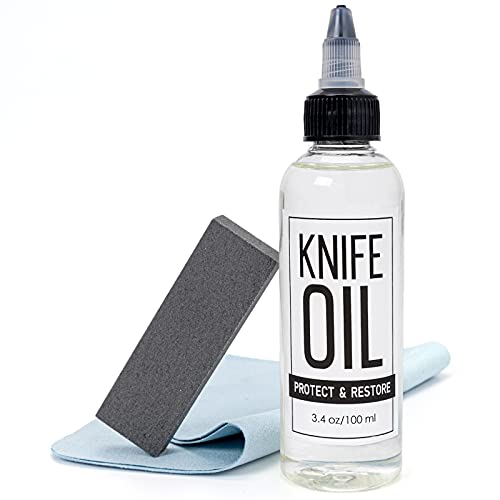
Professional Maintenance Oil: Specifically designed to maintain steel and carbon steel kitchen knives from rust and wear. Our blade oil works wonders on any type of blade, providing superior protection for your knife blades. A perfect kitchen knife oil for kitchen knives and a perfect knife oil lubricant for pocket knives, gardening equipment, and more.

Knife Oil Rust Eraser Kit: this maintenance set includes 2 rust remover for knives, 100 black cotton swabs, 2 pairs of black gloves, 2 bottles of tool sword maintenance oil (50ml each), and 2 dark gray microfiber cloths, everything you need to keep your blades in pristine condition; Ideal for knives, swords, katanas, and other metal tools, this kit ensures anti-rust lubrication, derusting, and long term protection
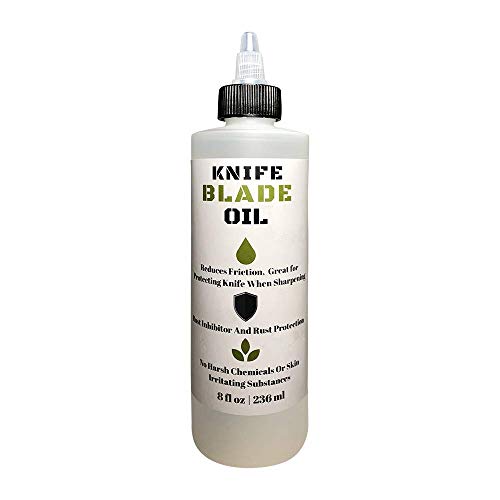
NATURAL & SAFE: Our Knife Blade oil is composed of 100% natural food-safe ingredients to provide worry-free use. While also providing superior protection for kitchen knives, pocket knives, and more
Essential Cleaning Materials
- Mild Dish Soap: Use a gentle soap to remove food residue without damaging the blade’s finish.
- Sponge or Soft Cloth: Choose a non-abrasive sponge or a soft cloth to prevent scratches on the knife.
- Warm Water: Rinse the knife under warm water for effective cleaning, keeping it safe from rust.
- Towel: Grab a clean, dry towel to thoroughly dry the knife after washing.
Optional Maintenance Tools
- Knife Oil: Select food-safe mineral oil or camellia oil to protect the blade from moisture.
- Honing Steel: Use honing steel to maintain the edge between sharpenings, keeping the blade sharp.
- Cutting Board: Utilize a wooden or plastic cutting board to avoid damaging the knife during use.
- Sharpening Stone: Consider a sharpening stone for periodic sharpening, ensuring optimal performance.
Step-By-Step Cleaning Process
Cleaning a carbon steel knife properly is essential for maintaining its performance and preventing rust. Follow these simple steps to ensure your knife stays in top condition.
Initial Rinse
Start by rinsing the knife under warm running water. Use enough water to remove any food particles and debris from the blade. Avoid using bleach or harsh chemicals, as they can damage the knife’s finish. A quick rinse removes most build-up and prepares the knife for scrubbing.
Scrubbing The Blade
Grab a non-abrasive sponge or a soft cloth for scrubbing. Apply a few drops of mild dish soap to the sponge. Scrub the blade gently, focusing on stubborn spots. Pay special attention to the area close to the handle where food residues tend to accumulate. Rinse thoroughly under warm water once you finish. Ensure there’s no soap residue left, as it can affect the blade’s performance.
Drying The Knife
After rinsing, immediately dry the knife using a clean towel. Make sure to wipe both the blade and the handle thoroughly. Avoid putting the knife away while it’s still wet. The quicker you dry it, the less chance there is for rust to develop. Store the knife properly in a designated space away from moisture to maintain its condition.
Preventive Care For Longevity
Maintaining your carbon steel knife ensures its longevity and performance. Following a few preventive care practices helps protect your investment.
Recommended Products

NSF CERTIFIED FOOD GRADE - This premium mineral oil is NSF certified and lab-tested to meet the strictest food safety standards. Colorless, odorless, tasteless, and gluten-free — perfect for cutting boards, butcher blocks, and all food-contact surfaces.

FOOD-GRADE MINERAL OIL FOR CUTTING BOARDS: Helps restore and protect dry cutting boards, butcher blocks, and wooden kitchen surfaces. Refreshes dull, worn wood and helps prevent cracking or splitting; works on bamboo, teak, acacia, olive wood, and hardwood boards

NSF CERTIFIED FOOD GRADE - This premium mineral oil is NSF certified and lab-tested to meet the strictest food safety standards. Colorless, odorless, tasteless, and gluten-free — perfect for cutting boards, butcher blocks, and all food-contact surfaces.
Regular Oiling
Oiling the blade protects it from moisture and rust. Use food-safe mineral oil or camellia oil for the best results. Apply a thin layer to the blade after cleaning and drying. This forms a barrier against moisture in the air, keeping your knife in top condition. Regularly oiling your knife, especially during long-term storage, enhances its durability and protects against wear. It’s important to reapply oil whenever you notice the blade looking dry or uneven in sheen.
Safe Storage Practices
Proper storage is key to preventing damage and rust. Store your carbon steel knife in a dry, cool place. Use a knife block, magnetic strip, or a blade guard for protection. Avoid leaving the knife in a drawer with other utensils, as this can cause nicks and scratches. Ensure the storage method minimizes contact with moisture. If you’re using a wooden cutting board, avoid storing the knife on the board itself for extended periods. Adopting these safe storage practices increases the lifespan of your knife while maintaining its sharpness and effectiveness.
Conclusion
Taking care of your carbon steel knife doesn’t have to be a chore. With a little bit of attention and the right techniques you can keep your knife sharp and rust-free for years to come.
Remember to clean and dry it right after use and store it properly to avoid unnecessary wear and tear. Regular maintenance not only enhances the knife’s performance but also adds to its aesthetic appeal.
By following these simple steps you’ll find that your carbon steel knife becomes a reliable companion in your kitchen adventures. Happy cooking and enjoy the benefits of a well-maintained knife!
Frequently Asked Questions
What are the benefits of maintaining carbon steel knives?
Proper maintenance of carbon steel knives enhances sharpness, prolongs longevity, prevents rust, improves aesthetic appeal, and ensures food safety. Regular care keeps your knives functional and efficient for cooking.
How should I clean my carbon steel knife?
Immediately after use, rinse the knife under warm water, scrub with mild dish soap and a non-abrasive sponge, paying attention to the handle area. Rinse again thoroughly and dry immediately with a clean towel to prevent rust.
What tools are needed for cleaning carbon steel knives?
Essential tools include mild dish soap, a non-abrasive sponge or soft cloth, warm water, and a clean towel for drying. Optional tools include food-safe knife oil, honing steel, and a sharpening stone for maintenance.
How can I prevent rust on my carbon steel knife?
Regularly oiling the blade with food-safe mineral or camellia oil creates a moisture barrier, protecting against rust. Additionally, proper storage away from moisture is essential to prevent rust formation.
What is the best way to store carbon steel knives?
Store carbon steel knives in a knife block, magnetic strip, or with a blade guard. Avoid placing them in drawers with other utensils to minimize nicks and scratches and reduce moisture exposure.
