
Key Takeaways
- Safety First: Regular cleaning of commercial kitchen exhaust hoods is essential to prevent grease buildup, which can ignite and cause dangerous fires, ensuring the safety of staff and customers.
- Health Compliance: Adhering to local health codes requires routine cleaning of exhaust systems to avoid fines and ensure sanitary conditions in the kitchen.
- Operational Efficiency: A clean exhaust hood improves airflow, enhancing overall kitchen efficiency and maintaining a comfortable environment for staff.
- Cost-Effective Maintenance: Regular cleaning helps reduce energy costs and prolong the lifespan of exhaust systems, minimizing repair and replacement expenses.
- Hygiene and Cleanliness: Maintaining a clean exhaust hood helps prevent foodborne illnesses, contributing to overall hygiene in food preparation areas.
- Professional Appearance: A clean kitchen exhaust hood boosts the aesthetic appeal of your commercial kitchen, reflecting a commitment to quality and professionalism in your establishment.
Have you ever looked up at your commercial kitchen exhaust hood and thought it could use a good scrub? Grease and grime can build up quickly, creating not just an eyesore but also a fire hazard. Keeping your exhaust hood clean isn’t just about appearance; it’s crucial for safety and efficiency in your kitchen.
Importance Of Cleaning A Commercial Kitchen Exhaust Hood
Cleaning a commercial kitchen exhaust hood is crucial for several reasons.
Safety
Safety ranks as the top priority. Grease buildup can ignite and cause dangerous fires. Keeping the exhaust hood clean minimizes this risk, protecting your staff, customers, and property.
Compliance
Compliance with health codes and regulations is essential. Most regions mandate routine cleaning of exhaust systems to prevent fire hazards and maintain sanitary conditions. Failure to comply can lead to fines or closure.
Efficiency
Efficiency in kitchen operations improves with a clean exhaust hood. A clogged system affects airflow, reducing the kitchen’s ventilation. Proper airflow enhances the kitchen environment, keeping it cooler and more comfortable for staff.
Cost Savings
Cost savings emerge from regular maintenance. A dirty exhaust increases energy costs; more power is needed to operate the ventilation system effectively. Cleaning the hood extends its lifespan, reducing replacement and repair expenses.
Overall Hygiene
Overall hygiene is vital in any food service establishment. A clean exhaust hood helps maintain a sanitary food preparation area. Reducing contaminants prevents foodborne illnesses, ensuring customer safety and satisfaction.
Aesthetic Appeal
Aesthetic appeal matters in commercial kitchens. A clean hood contributes to a tidy and professional appearance, impressing patrons and promoting a positive image for your establishment. Cleanliness reflects your commitment to quality.
Regularly cleaning your commercial kitchen exhaust hood not only meets safety and regulatory requirements but also fosters a healthier, more efficient workspace.
Steps To Clean A Commercial Kitchen Exhaust Hood
Cleaning a commercial kitchen exhaust hood involves several essential steps. Follow this guide for effective and safe cleaning.
Safety Precautions
Ensure your safety before starting the cleaning process.
- Turn Off the Power: Disconnect the exhaust hood from its power source to prevent accidental activation.
- Use Protective Gear: Wear gloves, goggles, and a mask to shield yourself from grease particles and chemical cleaners.
- Ventilate the Area: Open windows or use fans for proper air circulation. This helps disperse fumes from cleaning products.
- Inform Staff: Notify kitchen staff about the cleaning to prevent accidents during the process.
Required Tools And Materials
Gather the necessary tools and materials before you begin.
- Grease Cleaner: Use a commercial-grade degreaser specifically designed for kitchen use.
- Scrubbing Brushes: Have various sizes for tackling different surfaces and crevices.
- Microfiber Cloths: These cloths absorb greasy residues effectively.
- Buckets: Keep at least two buckets on hand—one for cleaning solutions and another for rinsing.
- Sponge or Scouring Pad: Select a non-abrasive option to avoid scratching surfaces.
- Ladder or Step Stool: Use it to reach high areas safely. Make sure it’s stable before climbing.
- Water Hose: A hose with a spray nozzle helps rinse off degreased areas effectively.
Having these tools ready simplifies the cleaning process and ensures efficiency throughout the task.
Detailed Cleaning Process
Cleaning a commercial kitchen exhaust hood involves several important steps. Proper execution ensures safety, efficiency, and compliance with regulations.
Recommended Products

Heavy Duty Degreasing Power: 3D Grand Blast delivers serious degreasing strength that powers through caked-on oil, grease, and grime. Ideal for engine bays, wheel wells, and undercarriages, this pro-level formula gets the job done fast without unnecessary scrubbing
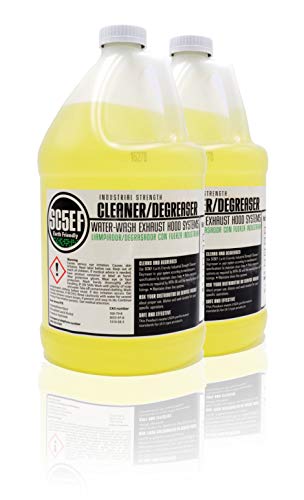
Water Wash Hood Detergent (Surfactant) Sold as a package of two- 1 Gallon Bottles
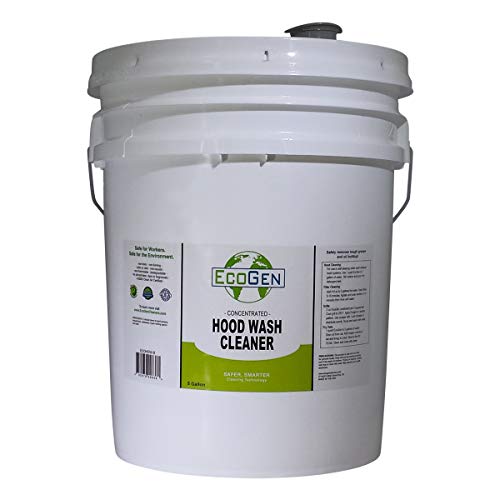
BUILT FOR HOOD SYSTEMS: Our hood cleaner degreaser is designed for self cleaning water wash exhaust hood systems, helping to prevent clogging and scaling in tubes, valves and pumps. It effectively breaks down stubborn grease during the wash cycle, keeping your system running efficiently while minimizing maintenance and supporting fire safety
Pre-Cleaning Inspection
Inspect the entire exhaust system before starting. Look for any visible grease buildup, damage, or blockages. Check areas around the filters, ducts, and hood. Document any issues you find. This helps determine the level of cleaning required and identifies repairs needed.
Cleaning The Filters
- Remove the filters from the hood carefully.
- Soak the filters in a solution of warm water and a commercial grease cleaner for at least 15-30 minutes.
- Scrub the filters with a brush to eliminate stubborn grease.
- Rinse thoroughly with hot water to remove all cleaner residue.
- Dry the filters completely before reinstalling them to prevent moisture from accumulating.
Cleaning The Ductwork
- Access the ductwork using a ladder or lift safely.
- Check for grease buildup inside the ducts. Use a flashlight for visibility.
- Wipe the walls of the ducts with a degreasing cleaner and a long-handled brush or cloth.
- Use a vacuum with a hose attachment to remove loose debris and grease.
- Inspect for any signs of damage and address those issues as necessary.
Cleaning The Hood Surface
- Apply a commercial degreaser directly onto the hood surface.
- Use a scrubbing pad or microfiber cloth to work the degreaser into the surface.
- Pay close attention to corners and seams where grease tends to accumulate.
- Rinse the hood with hot water using a clean cloth to remove all degreaser.
- Dry the surface with a clean, dry cloth to prevent water spots and ensure a polished look.
Following these detailed steps ensures your kitchen exhaust hood remains clean, safe, and efficient. Regular cleaning not only meets health standards but also contributes to a healthier kitchen environment.
Maintenance Tips For Longevity
Maintaining a commercial kitchen exhaust hood increases its lifespan and ensures safety and efficiency. Here are practical tips to follow:
Perform Regular Inspections
- Check Filters: Inspect filters weekly for grease buildup. Replace or clean them as needed.
- Examine Hoods and Ducts: Look for signs of grease accumulation on hood surfaces and in ductwork monthly. Address any buildup promptly to prevent fire hazards.
Clean on a Routine Schedule
- Monthly Deep Clean: Schedule a deep cleaning every month to maintain optimal performance.
- Weekly Wipe Downs: Wipe down the hood’s exterior weekly with a suitable cleaner. This prevents the buildup of grease and grime.
Use Quality Cleaning Products
- Grease Cutters: Choose commercial-grade degreasers designed for kitchen exhaust systems. These products effectively remove tough grease.
- Non-Abrasive Tools: Use non-abrasive scrubbing brushes and cloths to prevent damaging surfaces while cleaning.
Ensure Proper Installation
- Professional Installation: Hire licensed professionals for installation to ensure all components work correctly.
- Follow Manufacturer Guidelines: Stick to the manufacturer’s recommendations for both installation and maintenance.
Maintain Proper Ventilation
- Check Fans: Regularly inspect fans for functionality. Ensure they operate smoothly, as proper airflow reduces grease accumulation.
- Clean Air Filters: Replace or clean air filters in related ventilation systems every 1-3 months.
Document Cleaning Logs
- Keep Records: Maintain a cleaning log to track when and how often maintenance occurs. This document aids compliance with health regulations.
- Schedule Reminders: Set reminders for routine cleaning and inspections to stay ahead of maintenance tasks.
Train Staff Properly
- Provide Training: Educate kitchen staff on the importance of keeping the exhaust hood clean. Training ensures everyone understands their role in maintaining cleanliness.
- Assign Responsibilities: Designate specific team members for regular maintenance checks to create accountability.
Implementing these maintenance tips enhances the longevity of your commercial kitchen exhaust hood, ensuring a safe and efficient working environment.
Conclusion
Keeping your commercial kitchen exhaust hood clean isn’t just about looks. It’s essential for safety compliance and efficiency. By following a regular cleaning schedule and using the right tools you can prevent dangerous grease buildup and ensure a healthier workspace.
Don’t forget to train your staff on the importance of cleanliness and keep those cleaning logs updated. A clean kitchen reflects your commitment to quality and safety. So roll up those sleeves and make cleaning a priority. Your kitchen and your team will thank you for it.
Frequently Asked Questions
Why is it important to clean commercial kitchen exhaust hoods?
Cleaning commercial kitchen exhaust hoods is crucial for safety, as grease buildup can lead to fires. Regular cleaning also ensures compliance with health codes, enhances kitchen efficiency by improving airflow, saves costs on energy, and promotes hygiene to prevent foodborne illnesses. A clean hood also improves the aesthetic appeal of the kitchen.
How often should kitchen exhaust hoods be cleaned?
Kitchen exhaust hoods should generally be cleaned every 1 to 3 months, depending on the volume of cooking and the type of food prepared. High-volume kitchens may require monthly deep cleans, while less busy kitchens might need cleaning every few months. Regular inspections can help determine the best schedule.
What safety precautions should be taken when cleaning exhaust hoods?
Before cleaning exhaust hoods, ensure safety by turning off power, using protective gear like gloves and goggles, and properly ventilating the area. Informing staff about the cleaning process and potential hazards is essential to ensure a safe environment for everyone.
What tools are needed for cleaning exhaust hoods?
To clean a commercial kitchen exhaust hood effectively, you will need tools such as grease cleaners, scrubbing brushes, microfiber cloths, buckets, sponges, ladders, and water hoses. These tools help ensure an efficient and thorough cleaning process.
Can hiring professionals for hood cleaning be beneficial?
Yes, hiring professionals for kitchen exhaust hood cleaning can be beneficial. They possess the expertise and proper equipment for effective cleaning, ensuring compliance with health regulations. Professional cleaning can save time, extend the equipment’s lifespan, and enhance kitchen safety.
What are the benefits of regular maintenance for exhaust hoods?
Regular maintenance of exhaust hoods leads to improved efficiency, lower energy costs, and a longer lifespan for the equipment. It also helps avoid potential fire hazards and keeps up with health code compliance, fostering a safer and cleaner kitchen environment.
