
Key Takeaways
- Importance of Aerators: Delta kitchen faucet aerators mix air with water, enhancing flow while conserving water and reducing utility bills.
- Signs of Clogging: Keep an eye out for reduced water pressure, unusual sounds, discoloration, ineffective spraying, and increased water bills, as these indicate a dirty or clogged aerator.
- Regular Cleaning Frequency: It is recommended to clean your faucet aerator every six months to maintain optimal performance and prevent clogs.
- Effective Cleaning Procedure: Cleaning involves disassembling the aerator, soaking components in white vinegar, scrubbing with a toothbrush, rinsing, and reassembling carefully.
- Addressing Common Issues: Troubleshoot low water pressure, discolored water, strange noises, inconsistent flow, and uneven spray patterns to ensure your faucet runs efficiently.
- Extended Lifespan: Regular maintenance of the aerator not only improves water flow but also extends the overall lifespan of your Delta kitchen faucet.
Have you ever noticed a drop in water pressure from your Delta kitchen faucet? It’s likely due to a clogged aerator, a common issue many face. Over time, minerals and debris can build up, affecting your faucet’s performance and wasting water.
Overview of Delta Kitchen Faucet Aerators
Delta kitchen faucet aerators are essential components that mix air with water, creating a smooth flow while conserving water. These devices help reduce water splatter and save on water bills. Understanding how they function and the common issues, like clogs, can enhance your faucet’s performance.
- Functionality: Aerators introduce air into the water stream, which keeps the water pressure steady while decreasing the amount of water used. This feature promotes efficiency in both flow and conservation.
- Components: A typical aerator consists of a screen, a flow restrictor, and sometimes a gasket. The screen filters out debris, while the flow restrictor limits the water flow rate, ensuring an optimal experience.
- Installation Types: Delta offers various aerator types. Screw-on models easily attach to the end of the faucet spout, while snap-on models are integrated into specific designs. Knowing your model helps when it’s time for maintenance or replacement.
- Common Issues: Over time, aerators can accumulate minerals and debris, leading to decreased water flow. You might notice a change in pressure or uneven stream patterns. Addressing these issues promptly prevents further complications and enhances performance.
- Maintenance Frequency: Regular checks— ideally every six months—can help keep aerators functioning smoothly. Cleaning them is straightforward and doesn’t require specialized tools.
Understanding these aspects of your Delta kitchen faucet aerator prepares you for effective cleaning and maintenance.
Importance of Regular Cleaning
Regular cleaning of your Delta kitchen faucet aerator significantly enhances performance and maintains efficiency. Clarity on this topic reveals that neglect can lead to water flow issues and quality concerns.
Benefits of Clean Aerators
- Improved Water Flow: Clean aerators ensure optimal water pressure. This results in steady streams without drips or interruptions.
- Water Conservation: Maintaining an aerator reduces water waste. Efficient aerators minimize excess flow, saving you money on utility bills.
- Enhanced Water Quality: A clean aerator prevents debris from entering your water supply. This keeps the water fresh and safe for use.
- Reduced Maintenance Costs: Regular cleaning prevents clogs, reducing the need for more extensive plumbing work or replacements.
- Extended Faucet Lifespan: Consistent care for your aerator contributes to the overall longevity of your faucet.
Signs Your Aerator Needs Cleaning
- Reduced Water Pressure: Noticeable drops in water flow indicate a clogged aerator.
- Unusual Sounds: Hissing or sputtering noises during use signal air trapped in the system, suggesting buildup in the aerator.
- Dirty Water: Discoloration or visible particles in the water often stems from a dirty aerator.
- Ineffective Spraying: If the water sprays unevenly or in varying directions, it’s time to check the aerator.
- Increased Water Bills: If your bills rise unexpectedly, it might be due to inefficiencies from a clogged aerator.
Addressing these signs promptly helps maintain your faucet’s functionality and improves overall water usage.
Step-by-Step Guide on How to Clean a Delta Kitchen Faucet Aerator
Cleaning a Delta kitchen faucet aerator is essential for maintaining water flow and efficiency. Follow these steps to ensure your aerator functions optimally.
Tools Required for Cleaning
Gather these tools before you start:
- Adjustable wrench: Helps in loosening tight aerator components.
- Small bowl: Catches any loose debris.
- Toothbrush: Cleans stubborn mineral buildup.
- White vinegar: Effective for dissolving mineral deposits.
- Cloth or rag: For drying and wiping surfaces.
Disassembling the Aerator
- Turn off the water supply: Locate the shut-off valves under your sink and turn them clockwise.
- Remove the aerator: Grip the aerator with your hand or an adjustable wrench. Turn it counterclockwise to detach from the faucet.
- Inspect components: Examine the aerator parts—screen, flow restrictor, and washer for any noticeable wear or damage.
Cleaning the Aerator Components
- Soak in vinegar: Place the aerator components in a bowl with white vinegar. Soak for 15-30 minutes to break down any mineral deposits.
- Scrub with a toothbrush: After soaking, gently scrub each part with a toothbrush. Remove any stuck debris or sediment.
- Rinse thoroughly: Rinse all components under warm water to ensure no vinegar residue or debris remains.
Reassembling the Aerator
- Attach the screen first: Position the screen back into the aerator body.
- Insert the flow restrictor: Add the flow restrictor if it was removed.
- Replace the washer: Ensure the washer aligns properly to prevent leaks.
- Screw the aerator back in place: Hand-tighten the aerator into the faucet, then use the wrench for a snug fit, but don’t overtighten.
- Turn on the water supply: Gradually open the shut-off valves to test the water flow, checking for any leaks.
Follow these simple steps regularly to keep your Delta kitchen faucet aerator clean and efficient.
Troubleshooting Common Issues
If you’re experiencing problems with your Delta kitchen faucet aerator, several common issues may be at play. Identifying these problems can lead to effective solutions.
Recommended Products
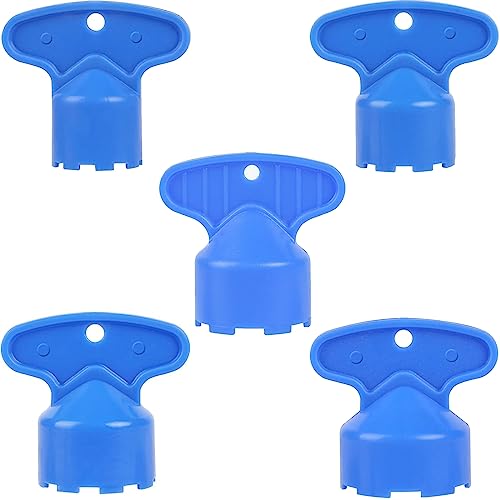
HIGH QUALITY MATERIAL:bubbler key sink bubbler wrench removal tool is made of high quality ABS material, with good overall performance, wear resistance, corrosion resistance, safe to use, easy to disassemble and long service life.

【Heavy-Duty & Multi-Size Design】Our 10-in-1 aerator removal tool fits 7 sizes of concealed threaded aerators (TF, M16.5, M18.5, M21.5, M24, SLIM AIR M24), 2 sizes of cut-edge housing aerators (M24, M28), and 1 size of round housing aerators (M22),Compatible with most faucet aerators on the market, this tool makes maintenance tasks quick, easy, and hassle-free.
Low Water Pressure
Low water pressure often indicates a clogged aerator. You can fix this by removing the aerator, inspecting it for debris or mineral buildup, and cleaning it thoroughly. If the problem persists after cleaning, check for other plumbing issues or leaks in the system.
Discolored Water
Discolored water might result from sediment or rust in the faucet. To address this, flush the faucet for a few minutes. If discoloration continues, inspect the aerator and clean it, ensuring a clear flow. Replace the aerator if damage is evident.
Strange Noises
Strange noises during water flow could indicate air trapped in the faucet or a loose aerator. First, check the aerator connection. Tightening it may solve the issue. If noises persist, you may need to bleed the system by running hot and cold water to release trapped air.
Inconsistent Water Flow
Inconsistent water flow usually stems from clogs in the aerator or the faucet itself. Remove the aerator for cleaning and inspect the faucet’s internal components. Clear any clogs you find to restore a steady flow.
Spray Pattern Issues
If the spray pattern seems uneven or erratic, mineral buildup might obstruct the aerator or the spray nozzle. Clean the aerator thoroughly as outlined in the cleaning process. Adjust the nozzle if needed to ensure an even spray.
Regular Maintenance
Regular maintenance prevents many common issues. Aim to clean your aerator every six months. This habit keeps your faucet performing optimally and reduces the chances of clogs.
By addressing these issues proactively, you can keep your Delta kitchen faucet aerator functioning properly and extend its lifespan.
Conclusion
Taking the time to clean your Delta kitchen faucet aerator can make a world of difference. You’ll enjoy improved water flow and quality while conserving water and extending the life of your faucet. Regular maintenance not only helps you avoid clogs but also saves you money on water bills.
By keeping an eye out for signs that your aerator needs attention and following the simple cleaning steps, you can ensure your kitchen faucet remains efficient and reliable. So grab those tools and give your aerator the care it deserves. Your kitchen will thank you!
Frequently Asked Questions
What causes low water pressure in Delta kitchen faucets?
Reduced water pressure in Delta kitchen faucets is often due to a clogged aerator. Over time, minerals and debris accumulate, restricting water flow.
How do aerators work in kitchen faucets?
Aerators mix air with water, creating a smooth flow while conserving water. They help maintain steady water pressure and improve overall efficiency.
How often should I clean my Delta faucet aerator?
It is recommended to clean your Delta faucet aerator every six months to prevent clogs, maintain performance, and ensure efficient water usage.
What tools do I need to clean a Delta kitchen faucet aerator?
You’ll need an adjustable wrench, a small bowl, a toothbrush, white vinegar, and a cloth to clean your Delta kitchen faucet aerator effectively.
What are the signs that an aerator needs cleaning?
Signs include reduced water pressure, strange noises, dirty water, ineffective spraying, and increased water bills. Addressing these issues promptly can prevent further problems.
What should I do if my Delta kitchen faucet aerator is discolored?
If your aerator is discolored, it may indicate sediment buildup. Clean it as per the maintenance steps to restore proper water flow and quality.
Can I replace the aerator if it’s damaged?
Yes, you can replace a damaged aerator. Check the model compatibility and follow the installation instructions for your specific Delta kitchen faucet.
How can I troubleshoot inconsistent water flow in my faucet?
Check the aerator for clogs or damage, ensure water supply valves are fully open, and look for any plumbing issues. Cleaning the aerator can often resolve this problem.
