
Key Takeaways
- Importance of Clean Filters: Regularly cleaning kitchen hood filters helps maintain a hygienic cooking environment, improves air quality, and reduces the risk of foodborne illnesses.
- Types of Filters: Understand the differences between metal and charcoal filters to choose the best one for your kitchen. Metal filters are reusable and durable, while charcoal filters require replacement approximately every six months.
- Cleaning Preparation: Gather essential supplies like hot soapy water, soft sponges, and rubber gloves before starting the cleaning process to ensure safety and efficiency.
- Step-by-Step Cleaning: Follow a structured process: remove the filter, soak in a cleaning solution, scrub thoroughly, rinse, and dry properly to maintain filter performance.
- Regular Maintenance: Establish a routine for cleaning metal filters every 1-3 months and inspecting for damage, which extends the lifespan of the filters and keeps the ventilation system efficient.
- Utilize Reminders: Use digital reminders or buzzer systems to keep track of cleaning and replacement schedules, ensuring consistent maintenance for optimal kitchen hygiene.
Have you ever looked up at your kitchen hood filter and wondered how it got so grimy? It’s a common sight in many homes, and that buildup can not only affect the look of your kitchen but also its air quality.
Importance Of Cleaning Kitchen Hood Filters
Cleaning kitchen hood filters helps maintain a hygienic cooking environment. Grease and grime build-up can trap odors and affect air quality. By removing these contaminants, you improve the overall atmosphere in your kitchen.
Health benefits also come from regular filter cleaning. Dirty filters can harbor bacteria, leading to foodborne illnesses. Keeping filters clean reduces these risks, promoting a safer cooking space.
Efficient hood performance requires clean filters. A blocked filter hampers airflow, causing the hood to work harder. This extra strain can shorten the lifespan of the appliance and increase energy costs.
Cleaning filters enhances the effectiveness of your kitchen ventilation system. Proper ventilation eliminates smoke, steam, and odors, ensuring a pleasant cooking experience. Regular maintenance allows your kitchen hood to function efficiently, reducing unpleasant distractions while cooking.
Time and effort spent on cleaning kitchen hood filters pays off. Investing a small amount of time helps prevent costly repairs and replacements. Regularly cleaning filters leads to a more pleasant, healthier environment for you and your family.
Types Of Kitchen Hood Filters
Understanding the different types of kitchen hood filters helps you choose the right one for optimal performance and maintenance. The two main types are metal filters and charcoal filters.
Metal Filters
Metal filters, often made of aluminum or stainless steel, are durable and reusable. These filters capture grease and particulates effectively, helping maintain good air quality.
- Benefits: Metal filters resist high temperatures and can handle heavy-duty use.
- Maintenance: To clean, soak in hot, soapy water for about 30 minutes. Rinse thoroughly and let it dry before reinstalling. This method maintains their performance and longevity.
- Lifespan: With regular cleaning, metal filters can last several years, making them a worthwhile investment.
Charcoal Filters
Charcoal filters excel at absorbing odors, making them ideal for kitchens where ventilation isn’t sufficient. These filters contain activated charcoal that captures and neutralizes unwanted smells during cooking.
- Functionality: Charcoal filters work best in range hoods that recirculate air rather than venting it outside.
- Replacement: Unlike metal filters, charcoal filters aren’t washable. You should replace them approximately every 6 months, or sooner if odors persist.
- Usage: If you cook frequently, consider checking your charcoal filters monthly to ensure they’re functioning well and replace them as needed.
Choosing the right filter type for your kitchen hood ensures efficiency and enhances your cooking experience.
Preparation For Cleaning
Preparing for kitchen hood filter cleaning ensures efficiency and effectiveness. Follow these steps to get ready.
Recommended Products

EWG VERIFIED: This kitchen cleaner spray is formulated with clean ingredients and certified by the Environmental Working Group to meet their strict health and safety standards. Free from concerning substances like ammonia, SLS, and SLES.

Non-Woven Fabric – Flame-retardant material that effectively traps kitchen grease.

Universal OEM Range Hood Filter: Compatible with the vast majority of stove vent hoods, our premium aluminum filter is easy to install & maintain. A perfect replacement for models such as Whirlpool 833149, Rangeaire 610046, and RLP1102. Works with additional models including 883093, 883103, 1017892, 8190232, 14210156, C-6259, Broan R610045, R610050, SR610045, HD Supply 246838, and Rangeaire 610045, 610050.
Gather Necessary Supplies
Collect the following items before starting:
- Hot, soapy water: Use dish soap and warm water for effective grease removal.
- Soft sponge or cloth: A non-abrasive sponge prevents scratches.
- Bucket or large basin: Submerge the filter for easier cleaning.
- Baking soda: This can act as a gentle abrasive for tough spots.
- Old toothbrush: This helps reach small crevices in the filter.
- Rubber gloves: Protect your hands from grease and cleaning agents.
Safety Precautions
- Turn off the power: Ensure the kitchen hood is not running to avoid accidents.
- Let the filter cool: If the filter was recently used, allow it to cool to prevent burns.
- Work in a ventilated area: Open windows or use a fan to keep air circulating.
- Use gloves: Wear rubber gloves to shield your hands from hot water and grease.
- Avoid harsh chemicals: Stick to mild cleaners to prevent damage or harmful reactions.
Step-By-Step Guide On How To Clean A Kitchen Hood Filter
Cleaning your kitchen hood filter keeps your kitchen fresh and your ventilation system working efficiently. Follow these steps for a thorough cleaning.
Recommended Products
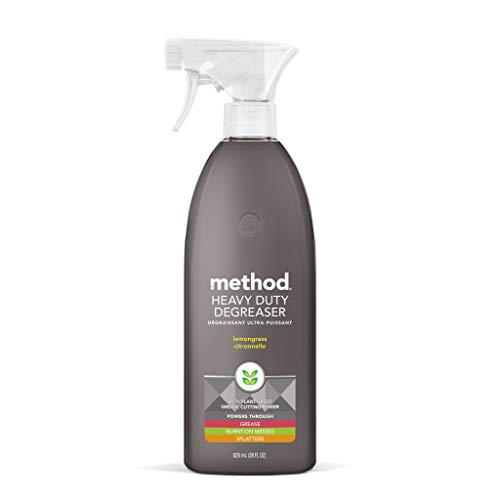
Contains (1) 28oz spray bottle of heavy duty degreaser
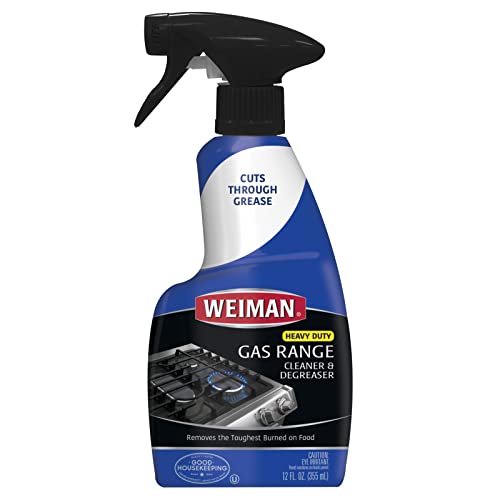
Powerful Gas Range Cleaner & Degreaser: Dissolves cooked-on, stubborn splatter, grease and food messes and gives your gas range a sleek shine

WATCH GREASE DISSOLVE, NO HARD SCRUBBING REQUIRED - Skip arm-wrenching scrubbing battles with tough kitchen grease! Spray our foaming cleaner; its thick clinging foam sticks to vertical surfaces, breaking down baked-on grease and grime right before your eyes. Wiping clean has never been this easy or satisfying.
Removing The Filter
- Turn off the power: Ensure the kitchen hood is off and unplugged for safety.
- Locate the filter: Most filters slide out of the hood. Check the manufacturer’s manual if unsure.
- Remove with care: Carefully slide or lift the filter out, avoiding any damage to the hood or the filter itself.
Soaking And Scrubbing The Filter
- Prepare the cleaning solution: Fill a bucket or large basin with hot, soapy water. Use dish soap for effective grease removal.
- Add baking soda: Sprinkle a half-cup of baking soda into the water to boost cleaning power.
- Soak the filter: Submerge the filter in the solution for 15 to 30 minutes, allowing grease to loosen.
- Scrub thoroughly: Use a soft sponge or old toothbrush to scrub both sides. Pay extra attention to areas with heavy buildup.
Rinsing And Drying The Filter
- Rinse the filter: Hold the filter under warm running water, allowing any remaining grease and soap to wash away.
- Check for residue: Inspect for any stubborn spots. If necessary, repeat the scrubbing process.
- Dry completely: Lay the filter flat on a towel or drying rack. Ensure it’s dry before reinstallation to prevent moisture issues.
By following these steps, you’ll maintain a clean kitchen hood filter and improve air quality in your kitchen.
Maintenance Tips For Prolonged Filter Life
Maintaining kitchen hood filters extends their lifespan and keeps your kitchen environment clean. Follow these practical tips for effective upkeep.
Regular Cleaning Schedule
Establish a cleaning routine. Clean metal filters every one to three months, depending on cooking frequency. Replace charcoal filters approximately every six months for optimal performance.
Use Appropriate Cleaning Solutions
Utilize mild, non-abrasive cleaning solutions. Avoid harsh chemicals that may damage the filter material. A mixture of hot, soapy water with baking soda works well for loosening grease.
Inspect for Damage
Regularly examine filters for signs of wear or damage. Look for discoloration, warping, or holes. Replace any damaged filters immediately to maintain air quality and appliance efficiency.
Keep Surrounding Areas Clean
Maintain a clean cooking environment. Wipe down surfaces and walls to reduce grease buildup around the filter. A cleaner kitchen means less grime for your filters to capture.
Check Airflow
Monitor airflow through your hood. If airflow decreases, it may signal a clogged filter. Address blockages promptly to prevent operational issues and ensure efficient ventilation.
Follow Manufacturer’s Instructions
Consult the manufacturing guidelines for specific maintenance recommendations. Each filter type may have unique care requirements, which helps prolong its life.
Use a Filter Buzzer or Reminder
Set digital reminders or use a filter buzzer. These tools prompt you to check or replace filters at the appropriate intervals, ensuring consistent maintenance.
Conclusion
Cleaning your kitchen hood filter might seem like a chore but it’s a small effort that pays off big time. By keeping those filters clean you’re not only improving air quality but also boosting the efficiency of your kitchen ventilation. A well-maintained filter helps create a fresher cooking environment and can even extend the life of your appliance.
Remember to stick to a regular cleaning schedule and choose the right filter type for your needs. With a little care and attention your kitchen hood will work better and your cooking space will feel more inviting. So grab those supplies and give your filter the TLC it deserves. Happy cooking!
Frequently Asked Questions
Why is it important to clean kitchen hood filters?
Cleaning kitchen hood filters is crucial to maintain a hygienic cooking environment. Grease and grime buildup can trap odors, reduce air quality, and increase the risk of foodborne illnesses. Regular cleaning ensures efficient ventilation, enhances appliance lifespan, and contributes to a healthier kitchen.
How often should I clean metal kitchen hood filters?
Metal kitchen hood filters should be cleaned every one to three months, depending on usage. Regular maintenance prevents grease buildup, ensures optimal performance, and extends the lifespan of the filters.
When do I need to replace charcoal kitchen hood filters?
Charcoal filters should typically be replaced every six months. However, if you cook frequently, it’s best to check them monthly to ensure they effectively absorb odors.
What supplies do I need to clean kitchen hood filters?
To clean kitchen hood filters, gather hot, soapy water, a soft sponge or cloth, a bucket or basin, baking soda, an old toothbrush, and rubber gloves. These items will help facilitate a thorough cleaning process.
What safety precautions should I take while cleaning filters?
Before cleaning, always turn off the power to the kitchen hood and let the filter cool down. Work in a well-ventilated area, wear gloves, and avoid harsh chemicals to ensure a safe cleaning process.
How can I enhance the longevity of kitchen hood filters?
To prolong the life of your kitchen hood filters, establish a regular cleaning schedule, inspect for damage, and use mild cleaning solutions. Keep the surrounding areas clean and monitor airflow through the hood to prevent clogs.

