
Key Takeaways
- Types of Kitchen Mats: Understand the four main types—anti-fatigue, rubber, textile, and vinyl—each with unique features and cleaning needs.
- Importance of Regular Cleaning: Clean kitchen mats monthly to reduce dirt, bacteria, and allergens, promoting a healthier cooking environment and extending the mat’s lifespan.
- Preparation Before Cleaning: Gather essential cleaning supplies like a vacuum, mild detergent, and a soft brush, and always check care instructions specific to your mat’s material.
- Effective Cleaning Methods: Utilize vacuuming, spot cleaning, and machine washing (if applicable) to maintain the appearance and hygiene of your kitchen mats.
- Proper Drying Techniques: Air dry or use towels to remove excess moisture, avoiding heat sources to prevent material damage, and flip the mat to ensure even drying.
- Regular Maintenance Tips: Vacuum weekly, spot clean spills immediately, rotate the mat, and regularly inspect for damage to keep it in peak condition.
Ever looked down at your kitchen mat and wondered how it got so dirty? Spills, crumbs, and foot traffic can quickly turn a once-vibrant mat into a dull mess. You’re not alone—many people struggle with keeping their kitchen mats fresh and clean.
Understanding Kitchen Mats
Kitchen mats see a lot of action. From spills to crumbs, they accumulate dirt quickly. Understanding the different types and the importance of keeping them clean can help maintain your kitchen’s appearance and hygiene.
Types of Kitchen Mats
- Anti-Fatigue Mats: Designed to provide cushioning, these mats reduce fatigue when standing. They’re great for long cooking sessions.
- Rubber Mats: Sturdy and slip-resistant, rubber mats handle spills effectively. They’re often used near sinks and cooking areas.
- Textile Mats: These mats come in various fabrics and patterns. They add style to your kitchen but may require more frequent cleaning.
- Vinyl Mats: Waterproof and easy to clean, vinyl mats are ideal for high-traffic areas. They resist stains and can handle moisture well.
- Washable Mats: Some mats are machine-washable, making upkeep simpler. Check the label for care instructions.
Importance of Cleaning Kitchen Mats
Cleaning kitchen mats keeps your space looking fresh. Dirt and bacteria can accumulate, posing a health risk. A clean mat also enhances your cooking experience, preventing allergens from affecting your family. Regular maintenance prolongs the life of your mats, saving you money in the long run. Aim to clean mats at least once a month or more frequently in high-use areas.
Preparing to Clean a Kitchen Mat
Cleaning a kitchen mat takes some preparation. You’ll want to gather your supplies and check specific care instructions to ensure the best results.
Recommended Products

Includes everything you could ever need to get your house clean and keep it that way. Our Starter Bundle comes to you with all the detergents, soaps, deodorizers and cleaners you’ll need for making every inch of your home sparkle, including the cloths and sponges you’ll use to do it with.

4-in-1 Cleaning Kit: RevoClean is the revolutionary new & easier way to deep-clean virtually any surface fast. You get professional quality cleaning for your home or office on a budget

HANDGUN CLEANING MAT FOR ORGANIZED GUN CLEANING: this pistol cleaning mat helps to make cleaning and maintaining any of your pistols more organized
Gathering Necessary Supplies
To clean your kitchen mat effectively, gather the following supplies:
- Vacuum cleaner: Use this to remove loose dirt and crumbs.
- Broom and dustpan: Perfect for quick clean-ups before deep cleaning.
- Bucket: Helpful for mixing cleaning solutions.
- Mild detergent: Choose a gentle soap suitable for your mat’s material.
- Dish soap: Effective for tackling stubborn stains and grime.
- Soft brush or sponge: Use for scrubbing without damaging the mat.
- Towels: Absorb excess water after cleaning.
Having these items ready makes the cleaning process smoother and more efficient.
Checking Care Instructions
Before cleaning, check the care instructions on your kitchen mat. Look for:
- Material guidelines: Different materials, like rubber, textile, or vinyl, require specific cleaning methods.
- Washing instructions: Some mats are machine washable, while others need hand cleaning.
- Drying recommendations: Proper drying prevents mold and mildew growth.
Following the manufacturer’s instructions ensures that your mat remains in good condition and lasts longer.
Cleaning Methods for Kitchen Mats
Cleaning kitchen mats involves a few straightforward methods tailored to their material and usage. Here are effective ways to keep your kitchen mats looking fresh and clean.
Recommended Products

Universal Fit – 1.25” (32mm) Inner Diameter: Compatible with most standard vacuum cleaners, this floor brush attaches easily for quick and convenient cleaning without needing special adapters.
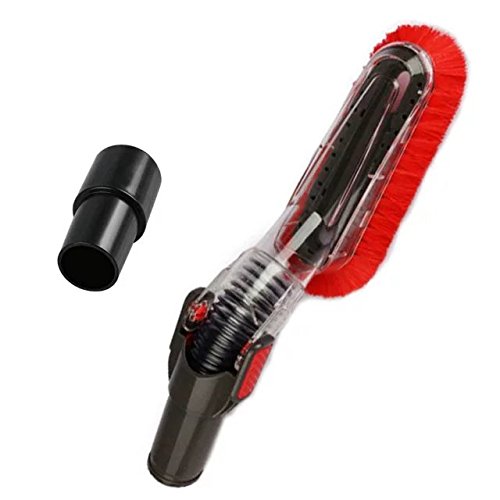
The brush is flexible and soft, perfect for cleaning furniture, high Surface, and ceiling, and orther places that is hard to reach.

The inner diameter is 1.25 incn(32mm), fits all vacuum cleaners accepting 1-1/4incn inner diameter attachment
Vacuuming the Kitchen Mat
Vacuuming traps dirt and debris before it becomes ingrained. Use a vacuum cleaner with a brush attachment for best results.
- Move the Mat: Remove the mat from its usual location.
- Vacuum Thoroughly: Start at one end and move systematically to cover the entire surface. Focus on edges and corners.
- Shake It Out: Take the mat outdoors and shake it to release any remaining particles.
Spot Cleaning Techniques
Spot cleaning tackles stains quickly and effectively, protecting the mat’s appearance.
- Blot the Stain: Use a clean cloth to blot spills immediately, preventing them from setting.
- Prepare a Cleaning Solution: Mix mild detergent with water.
- Apply the Solution: Use a soft brush or sponge to gently scrub the stained area.
- Rinse and Blot: Rinse with clean water, then blot with a dry towel to absorb moisture.
Machine Washing Instructions
Machine washing is suitable for washable mats, providing a deep clean.
- Check Labels: Look for care instructions on the mat to ensure machine washing is appropriate.
- Set the Washer: Use a gentle cycle with cold water.
- Add Detergent: Use mild detergent suitable for the mat material.
- Dry Properly: Air dry the mat or use a dryer on a low setting, if the label permits. Reshape the mat while damp to avoid wrinkles.
By using these methods, you can maintain the cleanliness and longevity of your kitchen mats.
Drying and Maintaining Your Kitchen Mat
Maintaining your kitchen mat involves proper drying techniques and regular upkeep to ensure longevity and cleanliness.
Recommended Products

Each kitchen drying mat measures 24*17 inches and is able to hold more pots,pans,plates and other utensils.XL dish drying mat is great for kitchen counter and bathroom countertop use.

Absorbent And Multifunctional: WISELIFE dish drying mat is made of high-quality materials that absorb water quickly, leaving your dishes and kitchen countertops dry; the multifunctional drying mat can be placed anywhere you want to absorb water
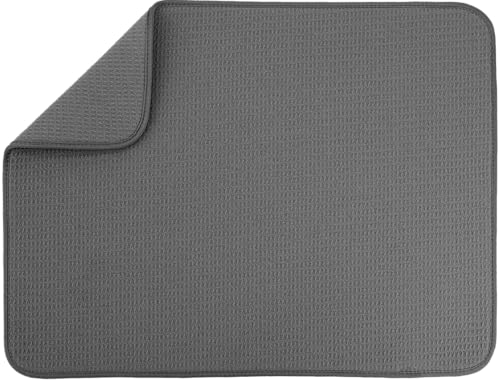
One microfiber dish dry Mat XL measuring 18 in. x 24 in.; kitchen mat for countertop absorbs up to 4 times its weight in water to keep your countertop dry, unlike a silicone dish drying mat
Proper Drying Techniques
Drying your kitchen mat correctly prevents mold and odor. Here are effective steps:
- Air Dry: Hang the mat outside in a well-ventilated area. Sunlight helps eliminate bacteria and odors.
- Use Towels: After washing, blot the mat with dry towels. This removes excess moisture before air drying.
- Avoid Heat Sources: Don’t place the mat near radiators or heat vents. High heat can warp or damage the materials.
- Flip It Over: If the mat absorbs a lot of water, flip it halfway through the drying process to ensure both sides dry evenly.
Regular Maintenance Tips
Regular maintenance keeps your kitchen mat looking fresh. Follow these tips:
- Vacuum Often: Vacuum the mat at least once a week to remove crumbs and debris.
- Spot Clean Immediately: Blot spills right away with a clean cloth. This prevents stains from setting in.
- Rotate Your Mat: Every few months, rotate the mat to ensure even wear and tear.
- Check for Damage: Regularly inspect the mat for signs of wear. Repair any fraying or peeling to prolong its life.
- Follow Care Instructions: Refer to the manufacturer’s care guidelines for specific recommendations on maintenance routines.
By implementing effective drying techniques and regular upkeep, you enhance the durability of your kitchen mat, making it a lasting part of your kitchen.
Conclusion
Keeping your kitchen mat clean doesn’t have to be a chore. By understanding the type of mat you have and following the right cleaning methods you can ensure it stays fresh and vibrant. Regular maintenance not only enhances your kitchen’s look but also promotes a healthier cooking environment.
Remember to check the care instructions and use the appropriate cleaning supplies. With a little effort and routine care your kitchen mat can last for years. So go ahead and give your mat the attention it deserves. You’ll be amazed at the difference a clean mat can make in your kitchen. Happy cleaning!
Frequently Asked Questions
What types of kitchen mats are there?
There are several types of kitchen mats, including anti-fatigue mats, rubber mats, textile mats, vinyl mats, and washable mats. Each type serves a unique purpose, whether providing comfort, protection, or easy cleaning. Understanding these types helps you choose the right mat for your needs.
How often should I clean my kitchen mat?
It’s recommended to clean your kitchen mat at least once a month. If your kitchen is heavily used, consider cleaning it more frequently to prevent dirt and bacteria buildup, which can affect both hygiene and the longevity of the mat.
What materials do I need to clean a kitchen mat?
To clean a kitchen mat, gather supplies like a vacuum cleaner, broom, bucket, mild detergent or dish soap, a soft brush or sponge, and towels. Having these materials ready makes the cleaning process easier and more efficient.
How do I clean different types of kitchen mats?
Cleaning methods vary by material. Generally, vacuuming is effective for most mats. Spot clean stains immediately with a suitable solution. For washable mats, machine wash on a gentle cycle, and refer to specific care labels for best practices.
How can I prevent mold and odor in my kitchen mat?
To prevent mold and odor, dry your kitchen mat properly after cleaning. Air dry it in a well-ventilated area, use towels to blot excess moisture, and avoid heat sources. Flipping the mat during drying can also help ensure even drying.
What are some regular maintenance tips for kitchen mats?
Regular maintenance includes vacuuming weekly, spot cleaning spills right away, rotating the mat for even wear, checking for damage, and following care instructions. These tips will help maintain the appearance and extend the life of your kitchen mats.

