
Key Takeaways
- Regular Cleaning is Essential: Cleaning your pocket knife frequently not only maintains its performance but also enhances hygiene and prevents rust or deterioration.
- Tools for Effective Cleaning: Use soft cloths, warm soapy water, mild soap, soft brushes, and rubbing alcohol to effectively clean your knife without damaging its surface.
- Step-by-Step Process: Follow a clear process that includes disassembling the knife, cleaning both the blade and handle, and properly reassembling to ensure optimal function.
- Maintenance for Longevity: Regular maintenance practices like lubrication, sharpening, and proper storage are vital for extending the lifespan of your pocket knife.
- Avoid Misuse: Always use your knife for its intended purposes to prevent damage and ensure safety, thereby preserving its functionality.
- Inspect and Replace Worn Parts: Regularly check for wear and tear, and replace any damaged components immediately to maintain safety and performance.
Ever found yourself reaching for your pocket knife only to realize it’s caked with dirt and grime? You’re not alone. Many knife owners struggle with keeping their trusty tools clean, which can affect performance and longevity.
Importance Of Cleaning A Pocket Knife
Cleaning a pocket knife affects performance and longevity. Dirt, grime, and moisture can cause rust and deterioration. Regular cleaning ensures your knife functions properly and remains safe to use.
Cleaning a pocket knife improves hygiene. Residue from food or environmental contaminants can lead to bacterial growth. Regularly cleaning prevents potential health risks, especially when using the knife for food preparation.
Cleaning enhances aesthetics. A well-maintained knife looks better and represents its owner’s care. A clean pocket knife reflects attention to detail and professionalism.
Cleaning aids functionality. A dirty blade can hinder cutting efficiency. The buildup of debris can affect how smoothly the blade opens and closes, making it harder to operate.
Maintaining your pocket knife increases its lifespan. Regular care prevents wear and tear. Investing time in cleaning today saves costs on replacements later.
Tools Needed For Cleaning
Cleaning your pocket knife effectively requires some essential tools. Using the right supplies makes the process easier and ensures optimal results.
Recommended Products
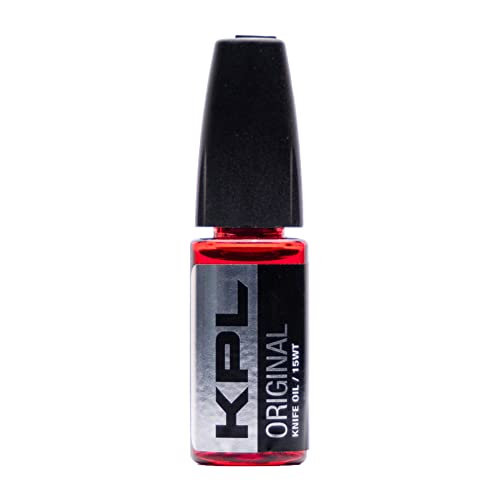
💧 KEEP YOUR EXPENSIVE KNIVES SMOOTH AND CLEAN: Our professional honing blade oil is the easiest, safest way to protect your knives from dirt, grit, and lint. Our knife lubricating oil prevents rust and keeps the moving parts of folding knives lubricated.

3oz OF PROFESSIONAL BLADE OIL - 9x the volume of leading knife oils at a fraction of the cost. Covers your full knife collection. Pocket knives, fixed blades, multi-tools, and more. Also works beautifully as a honing oil and blade maintenance solution.

Engineered for Precision Knife Pivots – Designed for folding knives, this oil penetrates tight pivot joints and detents, reducing wear without compromising action. It avoids the bulk and mess of thicker lubricants, making it ideal for high-tolerance mechanisms like flippers, liner locks, and bearings.
Recommended Cleaning Supplies
- Soft Cloths: Use microfiber cloths to gently wipe the blade and handle. These prevent scratches.
- Warm Water: Warm, soapy water helps dissolve dirt and grease. Avoid harsh chemicals that can damage materials.
- Mild Soap: Choose dish soap or a similar mild soap to clean the knife without harming the finish.
- Brushes: Nylon or toothbrushes help get into crevices. A soft-bristled brush minimizes damage while effectively removing debris.
- Rubbing Alcohol: Use it to disinfect the blade. It evaporates quickly and leaves no residue.
- Lubricant: Food-safe lubricants or oils keep moving parts functioning smoothly. Apply sparingly to avoid attracting dirt.
Optional Tools For Maintenance
- Cotton Swabs: Use them for precision cleaning in tight spaces. They’re perfect for removing grime from pivot points.
- Pliers or Tweezers: Helpful for pulling out small debris stuck in difficult areas. They provide a steady grip without damaging the knife.
- Towel: A cotton towel helps dry the knife thoroughly after cleaning. This step prevents rust formation.
- Knife Sharpener: A sharpener maintains the blade’s edge. Regular sharpening improves cutting efficiency.
- Safety Gloves: Consider wearing gloves while cleaning to protect your hands from cuts and residue.
Step-By-Step Guide On How To Clean A Pocket Knife
Cleaning your pocket knife is essential for performance and hygiene. Follow these steps for a thorough cleaning.
Recommended Products

🔪 FOR POLISHING AND MAINTAINING THE WORLDS FINEST POCKETKNIVES: Trusted by pocketknife Pros to maintain and protect the most valuable and collectible cutlery

🧰 PERFECT TOOL FOR OILING: Our 50 pack of micro swabs is beneficial for the tight areas of foldable and automatic pocket knives. These washable and re-usable swabs feature ultra-fine microfiber bristles that grab dirt and dust like magical magnets, removing them far more effectively than cotton swabs. These plastic swabs feature exact 1.0 mm tips allowing them to easily reach into your knife's most delicate recesses. This swab set is the ultimate tool for obtaining a clean knife.
Disassembling The Knife
- Check your knife design. If it has screws, use a screwdriver to remove them.
- Carefully separate the blade from the handle.
- Keep track of all parts. Use a small container to avoid losing screws or springs.
Cleaning The Blade
- Dip a microfiber cloth in warm soapy water. Wipe the blade gently to remove dirt and grime.
- Use a soft brush to scrub any stubborn spots, especially around pivot points.
- Rinse the blade under warm water to remove soap residue.
- Disinfect the blade with rubbing alcohol. Wipe the blade and let it dry completely.
Cleaning The Handle
- Wipe the handle with a damp microfiber cloth. Pay attention to all areas, including crevices.
- For tougher stains, use a mild soap solution on a soft brush.
- Rinse the handle with water if needed, but avoid soaking it.
- Dry the handle thoroughly with a clean towel.
Reassembling The Knife
- Ensure all parts are dry before reassembly.
- Align the blade and handle properly.
- Insert screws or components back into their original positions.
- Tighten screws gently but securely. Ensure the blade opens and closes smoothly after assembly.
Maintenance Tips For Longevity
To ensure your pocket knife remains functional and aesthetically pleasing over time, follow these maintenance tips.
Recommended Products
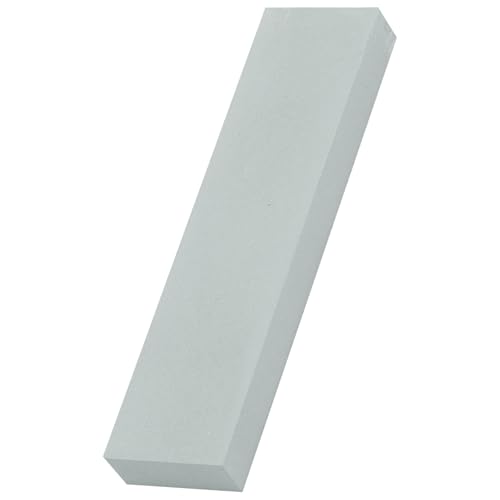
Package Included: You will get 1pcs gray 1000 grit knife sharpener stone crafted form diamond. The sturdy whetstone ensures effective sharpening for your kitchen pocket knife
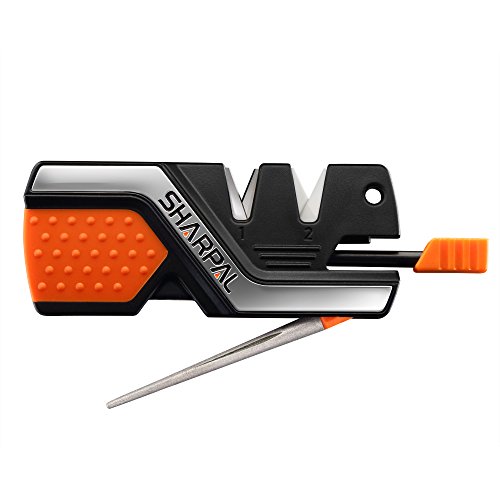
6 FUNCTION: 1. No. 1 V-Notch slot (Coarse CARBIDE)-Quickly set a new edge; 2. No. 2 (Fine CERAMIC)-Hone for a smooth finished edge; 3. Tapered diamond rod (Medium 400 Grit) for serrations & gut hooks; 4. Diamond rod with groove for fishhooks; 5. Ferro rod; 6. High-pitched emergency whistle

Viking-Inspired Practical Tool: A modern twist on a 1000+ year-old Viking tool—based on archaeological finds, upgraded for today’s adventurers. Functional, wearable, and rooted in Norse history
Regular Cleaning
Clean your knife after each use, especially if it comes into contact with food. Wipe the blade and handle with a soft microfiber cloth. Use warm soapy water to remove grime, and a soft brush to reach crevices.
Proper Storage
Store your knife in a dry place. Keep it away from moisture to prevent rust. Use a protective case or sheath to reduce exposure to dust and scratches.
Lubrication
Apply food-safe lubricants to moving parts every few months. This helps maintain smooth operation and prevents stiffness.
Sharpening
Keep the blade sharp for optimal cutting efficiency. Use a knife sharpener designed for pocket knives. Regular sharpening preserves the blade’s integrity and performance.
Inspection
Inspect your knife regularly for wear and tear. Look for loose screws and damaged parts. Addressing these issues early prevents further deterioration.
Use it Appropriately
Avoid using your pocket knife for tasks it’s not designed for, such as prying or screwing. Using the right tools for the job preserves the knife’s functionality.
Replace Worn Parts
Replace worn or damaged components promptly. This includes screws, washers, and the blade if necessary. Replacing parts minimizes risk and ensures safety during use.
By incorporating these maintenance practices, you can extend the lifespan of your pocket knife while keeping it clean and in peak condition.
Conclusion
Taking the time to clean and maintain your pocket knife is a small effort that pays off big in the long run. By following the steps outlined and using the right tools you can keep your knife functioning smoothly and looking sharp.
Regular care not only enhances performance but also ensures your knife stays hygienic and safe for all your needs. Plus a well-maintained knife reflects your attention to detail and professionalism.
So make it a habit to give your pocket knife the care it deserves and enjoy the benefits of a reliable tool that lasts. Happy cleaning!
Frequently Asked Questions
What is the importance of cleaning a pocket knife?
Cleaning a pocket knife is essential for maintaining its performance and lifespan. Regular cleaning prevents rust and deterioration from dirt, grime, and moisture. It also promotes hygiene by reducing the risk of bacteria growth, especially after food preparation. A clean knife not only looks better but also operates more efficiently, ensuring smooth cuts and extended usability.
What tools are needed to clean a pocket knife?
To effectively clean a pocket knife, you’ll need a few essential tools: soft microfiber cloths, warm soapy water, mild soap, brushes, rubbing alcohol, and food-safe lubricants. Optional tools like cotton swabs, pliers, towels, and knife sharpeners can enhance the cleaning process for optimal results and care.
How do you clean a pocket knife?
Start by disassembling the knife carefully. Use warm soapy water and a soft brush to clean the blade and handle, paying attention to crevices. Disinfect the blade with rubbing alcohol, then dry all components thoroughly. Reassemble the knife, ensuring everything is aligned for smooth operation. Regularly repeating this process helps maintain your knife’s performance.
How often should you clean your pocket knife?
It’s advisable to clean your pocket knife after each use, especially if it has been used for food preparation. Regular cleaning helps prevent rust, bacteria growth, and other issues, ultimately prolonging the knife’s lifespan and ensuring it remains functional and safe.
What are some maintenance tips for pocket knives?
To extend the lifespan of your pocket knife, clean it regularly, store it in a dry place, and lubricate moving parts every few months. Keep the blade sharp using a suitable sharpener and inspect the knife regularly for any wear and tear. Replace damaged components promptly to maintain safety and functionality.
